
Last updated November 25, 2026
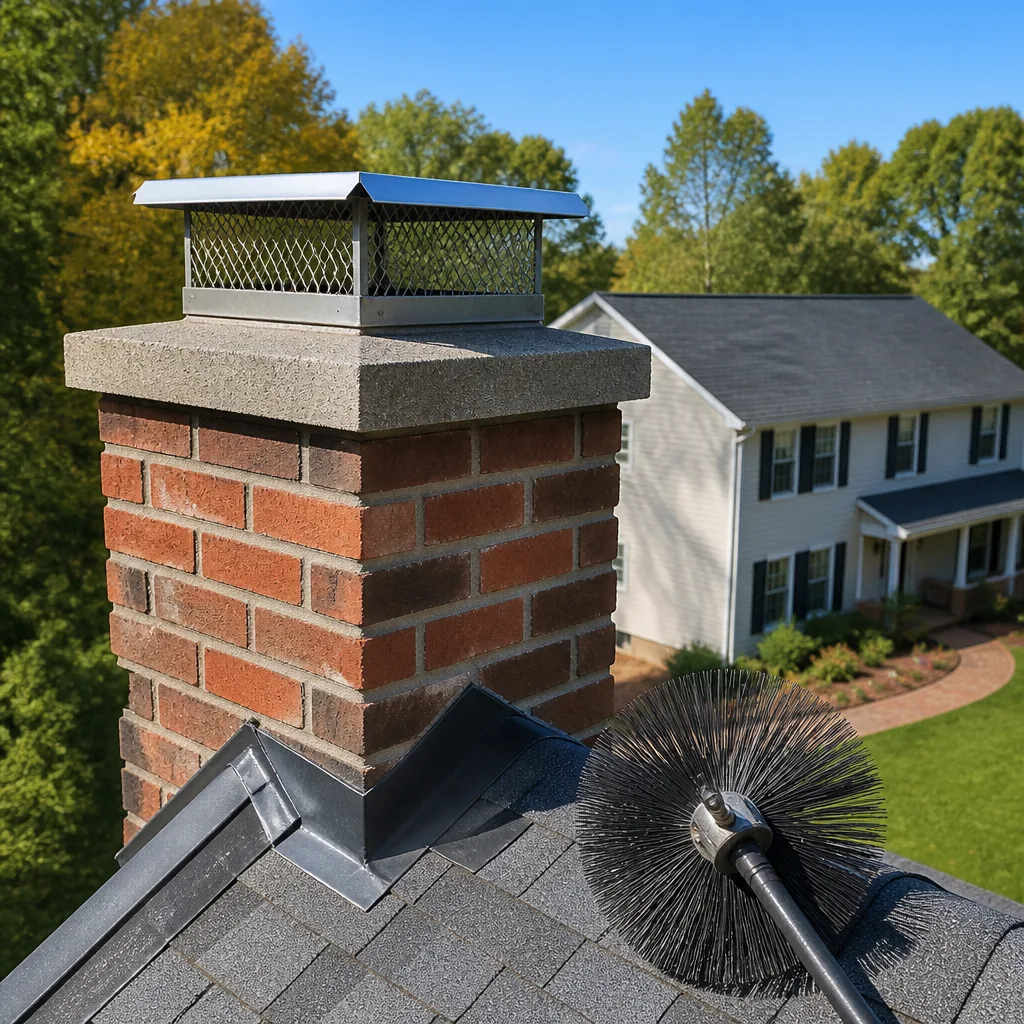 Sweep & inspection
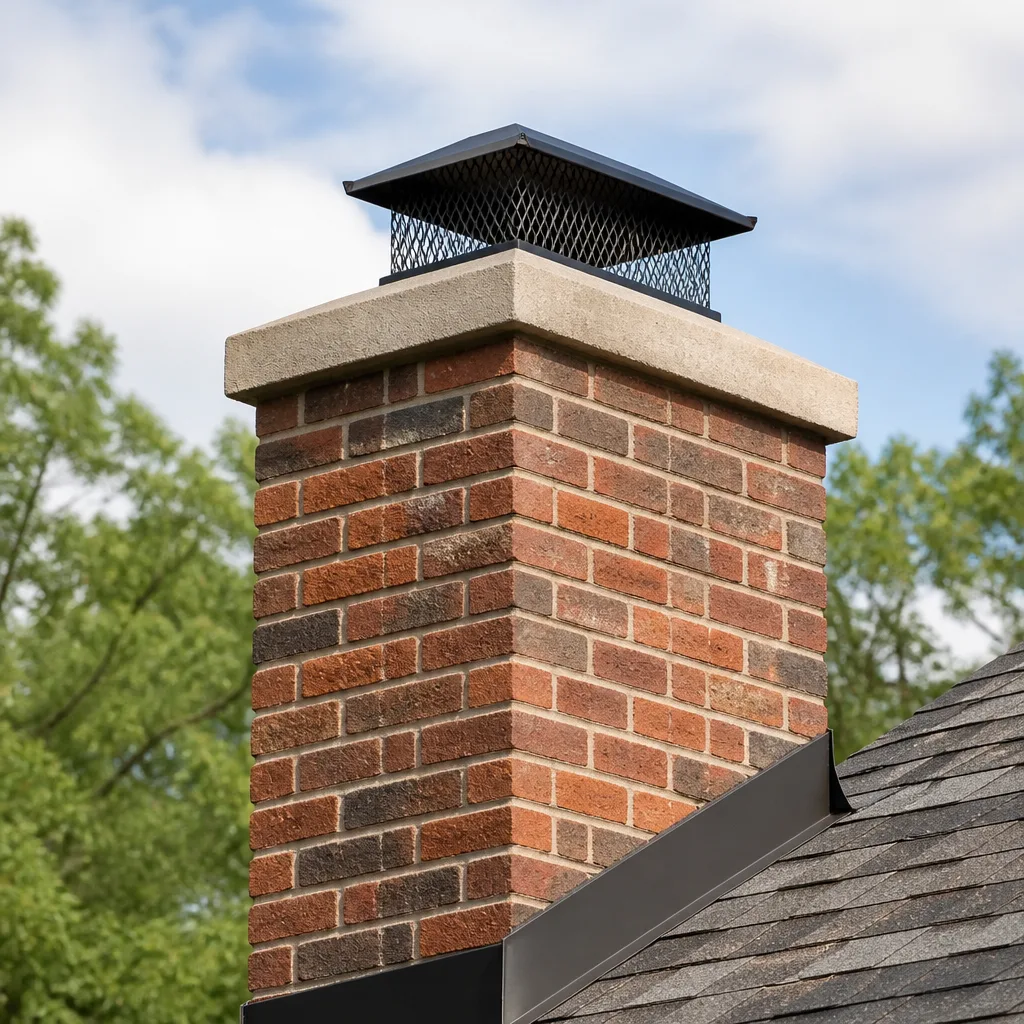 Caps & crowns
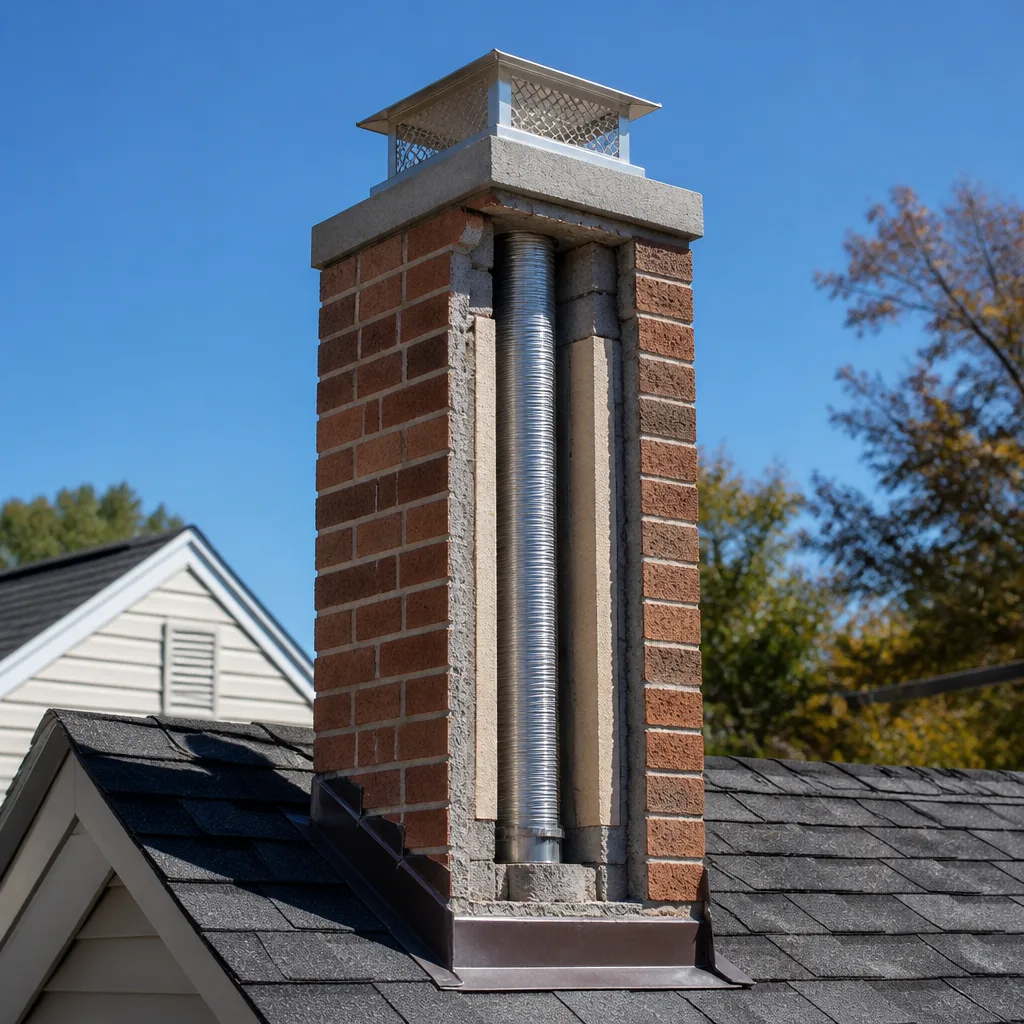 Flue relining
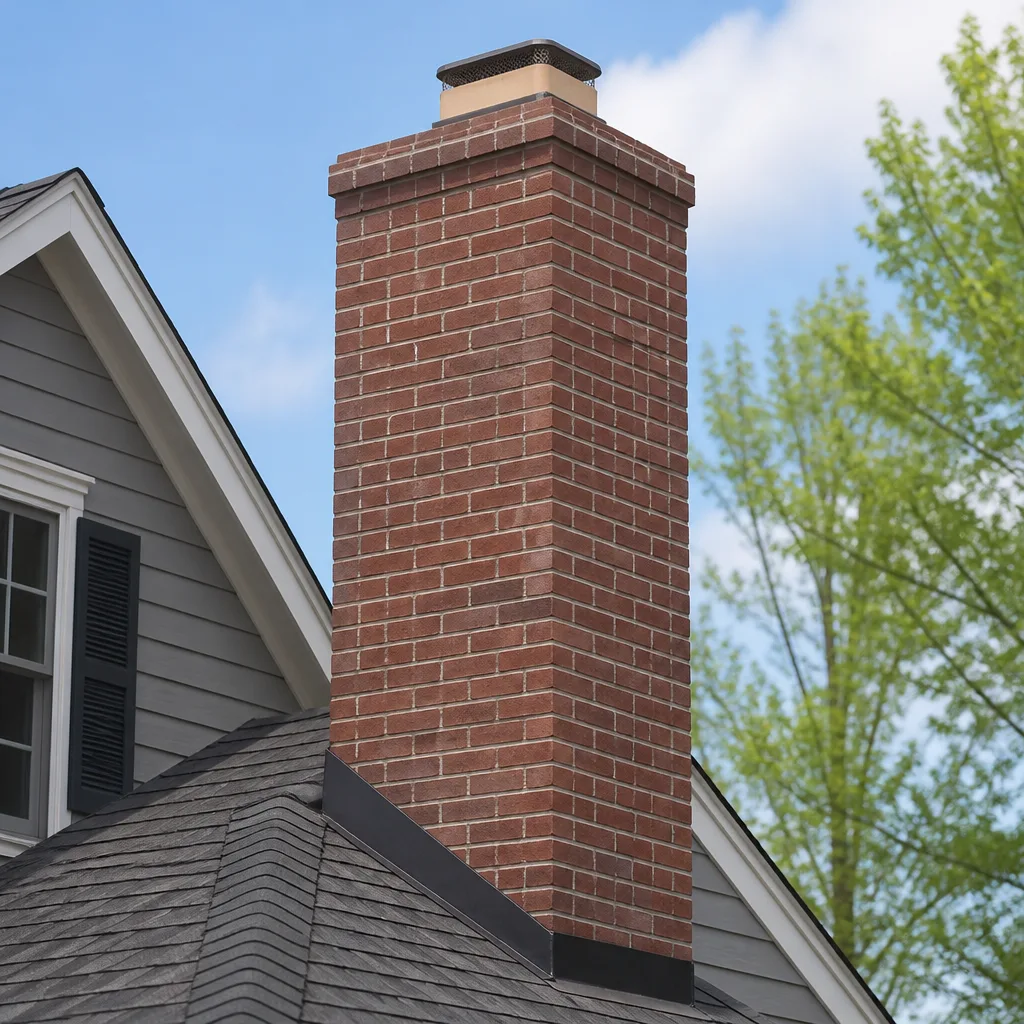 Masonry repair
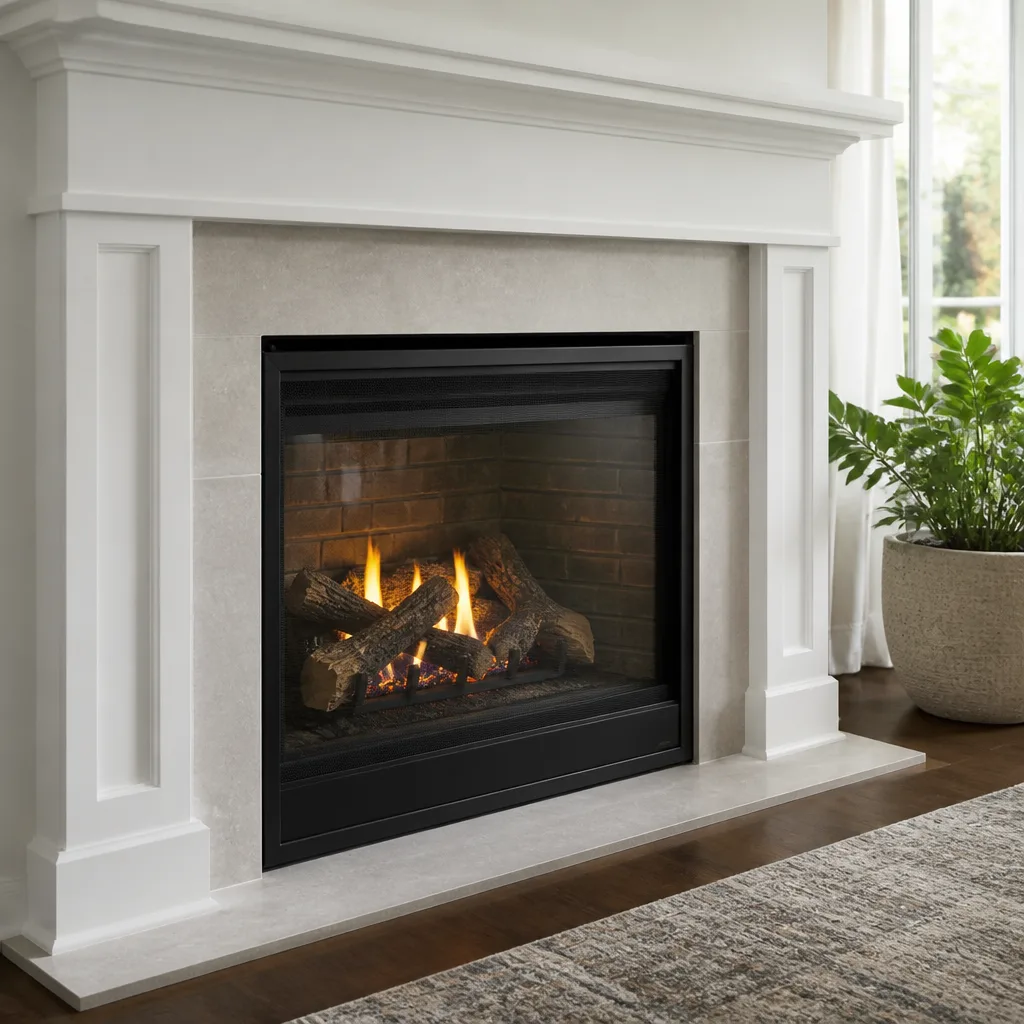 Gas fireplace service
Level 1 sweep and inspection to the NFPA 211 annual standard - flue, crown, cap, and flashing checked and photographed
Chimney sweep logs do not sweep chimneys. They loosen some creosote - which then falls where a brush and vacuum still have to collect it.
Chimney Cleaning Warning Signs: An Upper West Side Homeowner’s Reference Guide
Creosote-glazed flues don’t smell like wood smoke. They smell sharp, almost chemical, and that distinction matters more than most homeowners realize: it tells a technician that a standard brushing won’t touch the deposit without a chemical application first. The same gap between what a sign looks like and what it actually means shows up everywhere in chimney care. A white streak on brownstone is not a stain. A smoky smell in the living room is not always a draft problem. What follows is the diagnostic language to describe what you’re actually seeing in your Upper West Side home, sorted by severity, so you can tell the difference between a note-for-next-season item and a stop-burning-now condition.
Quick Answer
The most serious chimney warning signs are glazed or oily black creosote in the flue, rust on the damper or firebox, spalled tile or fallen mortar on the smoke shelf, smoke spilling into the room below the lintel, and white efflorescence or visible crown cracks on the exterior masonry. Any of these means the chimney should be inspected before the next fire, and glazed creosote, back-drafting combustion gas, or a displaced cap are same-week concerns, not spring projects. Cosmetic darkening and a faint musty smell are usually the milder end of the scale, but they still deserve a look during your annual sweep.
Styles & brands we work with
- Sweep & inspection
- Caps & crowns
- Flue relining
- Masonry repair
- Gas fireplace service
Table of Contents
- What Warning Signs Show Up Inside the Firebox?
- What Do Exterior Signs Mean on Brownstone and Prewar Masonry?
- How Do You Diagnose a Chimney by Smell?
- Which Performance Problems Signal a Chimney Issue?
- Emergency vs. Schedule-Within-30-Days: A Severity Framework
- The Three Degrees of Creosote and Why the Distinction Matters
- What to Check Before You Call
- When in the Year Should Upper West Side Homeowners Book a Sweep?
What Warning Signs Show Up Inside the Firebox?
The firebox is where most diagnosable problems reveal themselves first, and it’s the one area a homeowner can inspect safely with a flashlight and no tools. What you’re looking for is anything that has moved, flaked, rusted, or discolored since the last time you looked. Spalled tile fragments on the smoke shelf are one of the most misread signs: small chips of firebrick or tile collecting on the shelf above the damper usually mean the firebox lining is breaking down from heat cycling and moisture, not that someone dropped something. Mortar dropout shows up as grit or sand-like material at the base of the firebox walls and points to joint failure in the masonry.
Rust on the damper plate is a water sign, not a metal sign. Dampers rust when moisture is getting into the flue from above and condensing on the steel, which means the cap or crown above is letting water past. Oily black staining on the firebox walls or the damper frame is the visual fingerprint of creosote buildup at a stage that brushing alone often won’t clear. And a damper that no longer opens or seats fully is both a draft problem and, in some cases, a safety problem.
A quick pre-call inspection checklist:
- Shine a light up the flue from the firebox opening and note any visible glaze, flaking, or obstruction.
- Look at the smoke shelf above the damper for fallen tile, mortar, or debris.
- Check the damper plate for rust and confirm it opens and closes fully.
- Note any staining pattern on the firebox walls: color, location, and whether it’s dry or tacky to a gloved touch.
If you see glaze, rust, or spalling, that’s reason enough to book a chimney sweep with a technician who can put a camera on it and tell you what stage the deposit is at. Our technicians have up to 10 years of experience reading these signs, and the difference between “surface soot” and “stage-three glaze” changes what the job actually is.
What Do Exterior Signs Mean on Brownstone and Prewar Masonry?
Upper West Side housing stock makes exterior diagnosis unusually readable, because the masonry is old enough and specific enough that water damage leaves a clear signature. Efflorescence is the white, powdery bloom that appears on brownstone and brick, and it is the single most misread exterior sign: homeowners call it a stain, but it’s actually salt pushed to the surface by water moving through the masonry. Efflorescence means active water infiltration, not a cosmetic issue. If it reappears after a dry spell, water is still getting in somewhere above.
Crown cracking visible from street level is common on prewar buildings where the crown (the concrete cap at the top of the chimney) has weathered over decades of freeze-thaw cycles. Upper West Side winters do a specific kind of damage here: water gets into hairline cracks, freezes, expands, and widens them, and the crown degrades a little more each season. Cap displacement is the other big exterior sign. A chimney cap that’s tilted, missing, or rusted through is the entry point for rain, snow, birds, and squirrels, and it’s the leading cause of the water intrusion that shows up as rust on your damper months later.
What to look for from the sidewalk or a window across the airshaft:
- White bloom on the chimney face, especially if it returns after rain
- Cracks running across the crown at the top of the stack
- A cap that sits tilted, is missing on one flue, or has visible rust-through
- Spalling brick faces (flaking or pitted surfaces) on the chimney above the roofline
- Dark water tracks running down the chimney face from the crown
Cap and crown work addresses the cause of most of this. Pairing chimney cap & crown work with repair on the same visit is how you stop the water at the source rather than chasing stains every summer. Water intrusion is the leading driver of chimney deterioration, and the exterior signs are where it starts.
How Do You Diagnose a Chimney by Smell?
Smell is a legitimate diagnostic tool, and the kind of smell narrows down the cause faster than most visual checks. Sulfurous or rotten-egg odor during or after a fire usually points to back-drafting combustion gas, which is a serious condition: combustion byproducts, including carbon monoxide, are coming back into the room instead of going up the flue. That’s not a spring project. Musty, damp, earthy odor is moisture and organic debris, often leaves, nest material, or damp creosote, and it’s the smell of a chimney that’s been taking on water or has an obstruction holding humidity. Sharp, acrid, almost chemical odor is the signature of glazed creosote, the hard, shiny, tar-like deposit that forms when fires burn too cool or too green and the creosote bakes onto the flue walls.
The distinction matters because the fixes are different:
- Sulfurous: inspect for blockage, flue sizing, and pressure issues; stop burning until checked
- Musty: check for moisture entry, cap condition, and nest or debris obstruction; sweep and address the water source
- Sharp/acrid: the flue needs chemical treatment before or alongside mechanical sweeping, because brushing alone won’t remove glaze
A smoky smell in summer with no fire burning is its own signal: it usually means the chimney is pulling air backward because the house is air-conditioned and the flue is open to the outside. That’s a pressure issue, not necessarily a deposit issue, but it’s worth having a technician confirm which one you’re dealing with.
Which Performance Problems Signal a Chimney Issue?
Performance signs are the ones homeowners feel but don’t always connect to the chimney. Smoke spillage below the lintel (the metal bar above the firebox opening) is the most direct: if smoke rolls out the top of the firebox before the fire is burning well, draft is failing, and the cause is usually an obstruction, a flue that’s too large for the firebox opening, or a closed or partially closed damper. Long warm-up times (the fire takes ten or fifteen minutes to stop smoking into the room instead of pulling up the flue within a couple of minutes) point to a cold flue, an oversized flue, or an obstruction that’s partially blocking flow.
Difficulty maintaining a fire at low burn rates is the sign most homeowners miss, because it feels like a firebuilding problem. A chimney that only wants to burn hot and won’t hold a low, steady fire may have a draft that’s too strong for the appliance, or a flue that’s too small for the firebox, or a deposit layer changing the effective flue diameter. Smoke coming from a second flue or a neighboring chimney on the same stack is a pressure and draft signal, and it’s worth noting which chimney it is.
In Upper West Side apartments and townhouses, performance signs often show up as slightly different complaints: a fire that smokes only on windy days, a fireplace that works better in one season than another, or smoke that appears when the kitchen exhaust fan runs. All three point to pressure and draft issues that a camera inspection can diagnose. When these come up, a Chimney Sweep Upper West Side visit is the starting point, because performance problems are almost always diagnosed from inside the flue.
Emergency vs. Schedule-Within-30-Days: A Severity Framework
Most warning-sign guides give you a list and stop. That leaves homeowners asking the question they actually need answered: is this a tonight problem or a next-month problem? Here’s the framework we use to sort what you’re seeing.
Emergency: Stop Burning Until Inspected
- Sulfurous or rotten-egg smell during or after a fire, or any sign of combustion gas back-drafting
- Smoke spilling into the room that does not clear once the fire is established
- A fire that is burning and won’t go out with the damper closed (rare, but a sign of a blocked flue)
- A chimney cap displaced or missing during a rain or snow event with active water coming down the flue
- Visible soot or creosote flakes falling into the firebox during a burn
Schedule Within 30 Days: Book Before the Next Fire
- Glazed or oily black creosote visible in the flue
- Rust on the damper plate or firebox hardware
- Spalled tile or mortar dropout on the smoke shelf
- Efflorescence that has returned on the exterior after a dry period
- Crown cracking visible from the street
- Long warm-up times or difficulty maintaining low fires
Note and Address at the Next Annual Sweep
- Light surface soot (normal)
- Faint musty smell in summer with no fire burning and no obstruction found
- Minor cosmetic darkening on the firebox face
The framework isn’t a substitute for an inspection, but it gives you the language to tell a technician what’s happening in your Upper West Side home before they arrive, which shortens the diagnosis.
The Three Degrees of Creosote and Why the Distinction Matters
Creosote is the deposit that causes most chimney fires, and it accumulates in three distinct forms that require three different approaches. First-degree creosote is light, flaky, soot-like, and comes off with a standard brush. Second-degree creosote is a hard, brittle layer of tar that’s been baked onto the flue walls; brushing removes some of it but leaves a resistant skin that builds back faster. Third-degree creosote is glazed, shiny, and polymerized onto the flue surface; it’s the sharp-smelling deposit from the opening of this guide, and it cannot be removed by brushing alone.
Third-degree creosote is why a chimney sweep is not a one-size-fits-all job. When we find glaze in an Upper West Side chimney, the plan usually involves a chemical treatment to break down the deposit before mechanical sweeping, or a HeatShield ceramic resurfacing if the flue walls underneath are already compromised. HeatShield resurfacing restores a damaged flue without a full rebuild, which matters in prewar buildings where demolition carries cost and structural risk that a resurface doesn’t. The manufacturer documents the cost-saving alternative, and it’s a real option when the flue is sound but the surface is not.
When the flue can’t be resurfaced because of size, offset, or configuration, a DuraFlex flexible liner is often the answer. It’s rated for all fuel types including wood, gas, and oil appliances, and it installs in chimneys with offsets and tight configurations that a rigid liner won’t clear. The point of knowing the degree of creosote is that it drives the choice between a routine sweep, a resurface, and a reline, and guessing at which one you need is how homeowners get talked into work they don’t need or skip work they do.
What to Check Before You Call
A little pre-call note-taking makes the inspection faster and the technician’s diagnosis more specific. You don’t need tools, and you shouldn’t open anything that requires disassembly. What you do need is a flashlight, a note on your phone, and ten minutes. Here’s the sequence:
- Look up the flue from the open firebox with a flashlight. Note color (black, brown, shiny), texture (flaky, tacky, glassy), and whether anything is visibly blocking the opening.
- Inspect the smoke shelf above the damper for fallen tile fragments, mortar grit, or debris.
- Open and close the damper and note any rust, sticking, or asymmetry.
- Check the firebox walls for staining and note the color and whether it’s dry or oily.
- From outside or a window, look at the top of the chimney for a cap, crown cracks, or efflorescence.
- Do a smell test: char a piece of paper or burn a firestarter in the firebox and note what the flue does for the first few minutes.
Write down what you find and when. A technician who has your notes can bring the right equipment and the right materials on the first trip, which is especially useful in Upper West Side apartments where a second visit means another access scheduling round. We work with DuraFlex, HeatShield, Gelco, Olympia Chimney, Famco, and Copperfield, so the materials question is usually settled once the diagnosis is clear.
When in the Year Should Upper West Side Homeowners Book a Sweep?
The best time to book an Upper West Side chimney sweep is late summer or early fall, before the first burn of the season, because a post-season sweep catches the creosote deposit at the size it will spend the winter at, and it gives you time to schedule any repairs before the cold locks in. Booking after the last fire of winter is the second-best window: the deposit is fresh, the diagnosis is accurate, and the repair work can happen in mild weather.
What you want to avoid is the first cold weekend. That’s when every fireplace in the neighborhood gets its first burn at once, and the signs that were minor in October (a slightly smoky start, a rusty damper) suddenly read as urgent. Scheduling your sweep for a cooler, quieter month also leaves room in the schedule for the cap and crown work that often turns up when the technician gets on the roof. It’s cheaper to repair a crown crack in September than to repair a crown and the ceiling below it in January.
Every year, we see the same pattern on the Upper West Side: masonry deterioration that started as a hairline crown crack turns into water tracking down the flue after a hard freeze-thaw cycle. The homeowners who caught it early had efflorescence on their list from a sweep the previous fall. Those who didn’t were calling about rust on the damper and a damaged damper plate. Same problem, two different seasons, two different repair bills.
Common Mistakes to Avoid
- Treating efflorescence as a stain. The white bloom on brownstone is the visible trace of water moving through masonry. Painting over it traps the moisture and accelerates spalling, so address the water source before any cosmetic fix.
- Assuming a smoky smell is always a draft issue. It can just as easily be an obstruction or a pressure problem, and the two need different fixes. Tell the technician what the smell is like (sulfurous, musty, sharp) because the diagnosis starts there.
- Brushing a glazed flue and calling it clean. Third-degree creosote survives a standard sweep. If the deposit is glassy or tar-like, brushing alone won’t make the chimney safe to burn.
- Ignoring rust on the damper plate. Rust on the damper means water is coming down from above. The right fix is above the damper (cap and crown), not on the damper itself.
- Waiting for the first cold weekend. The signs that felt minor in October read as urgent when the whole neighborhood is lighting the first fire of the season. Booking in late summer or early fall avoids the crush.
- Letting a displaced cap sit through a rain or snow event. A missing or tilted cap is how rain gets into the flue. It’s the leading cause of the water intrusion that shows up as rust months later.
- Skipping the annual inspection because the fire “is burning fine.” A chimney can burn well with a glazed flue, a cracked crown, or a slow water leak. Performance is not the same as safety.
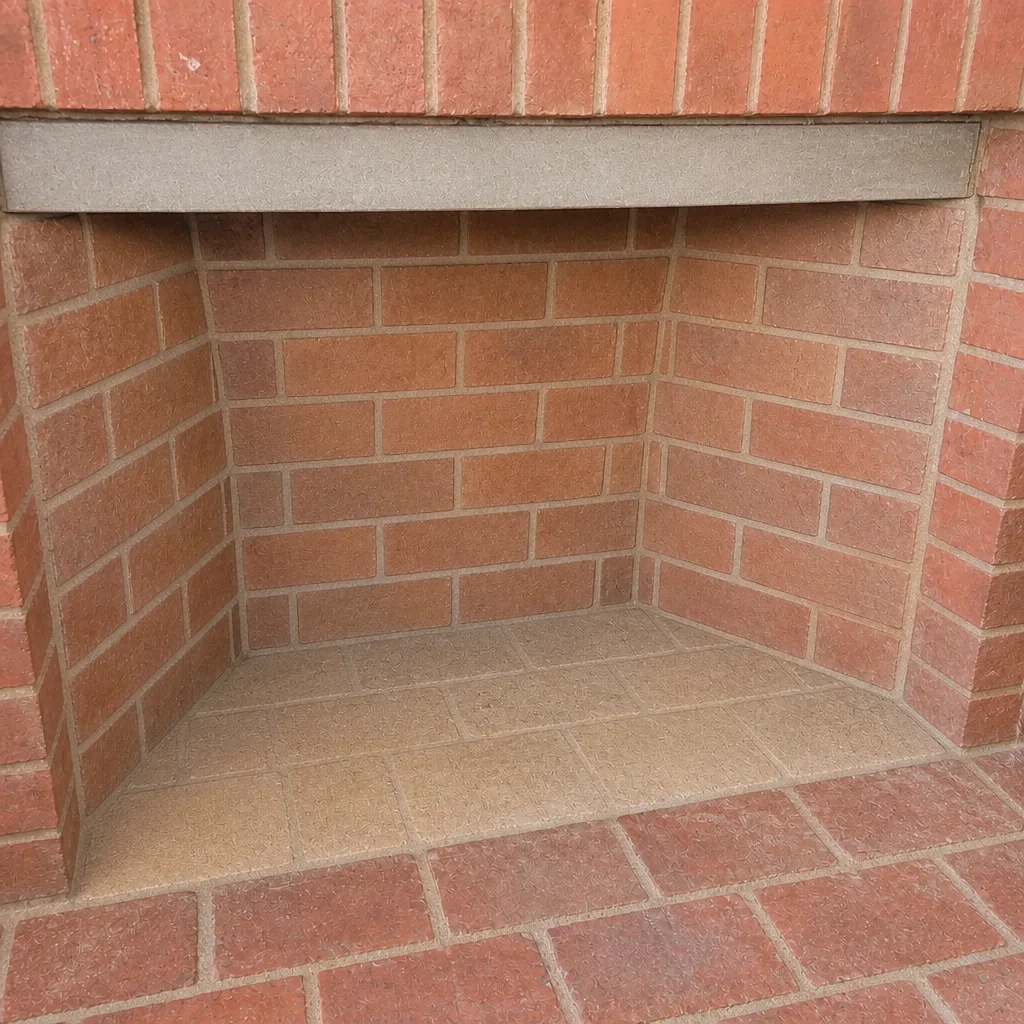
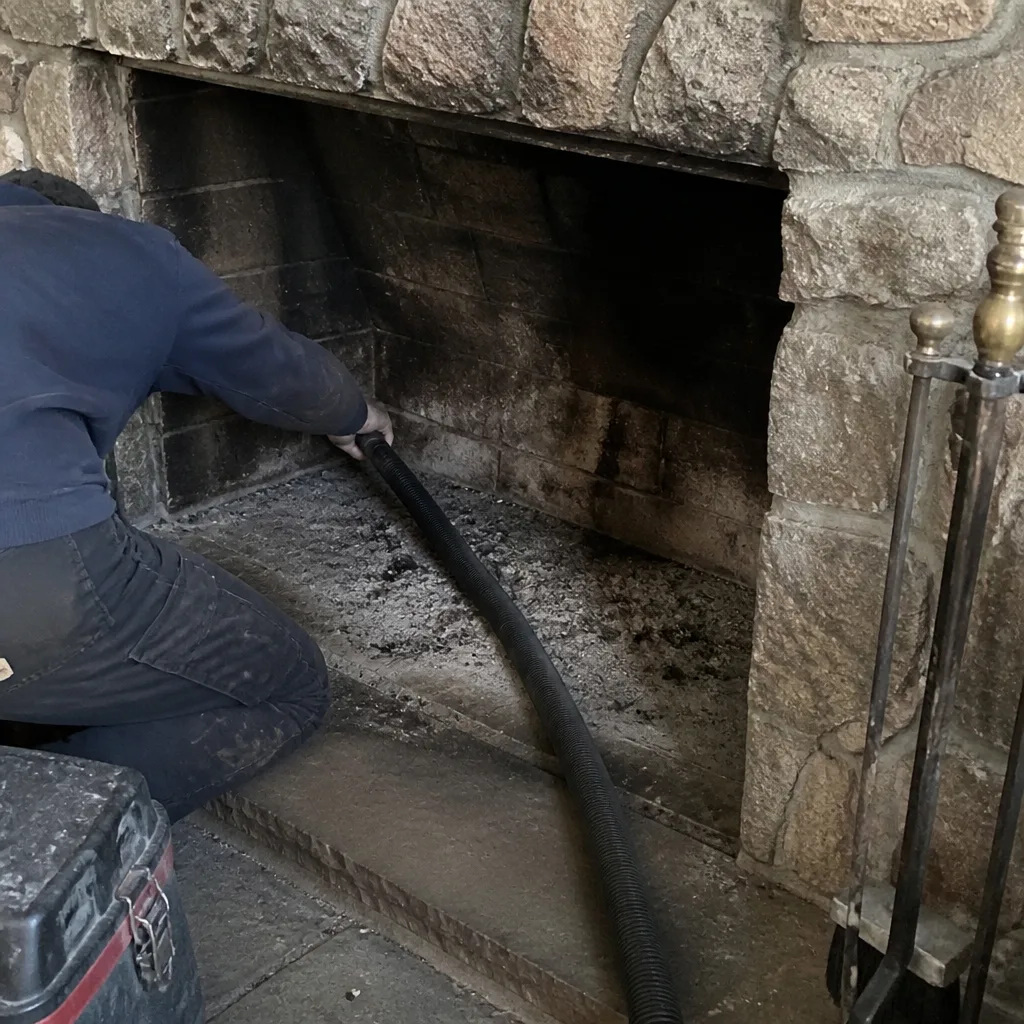
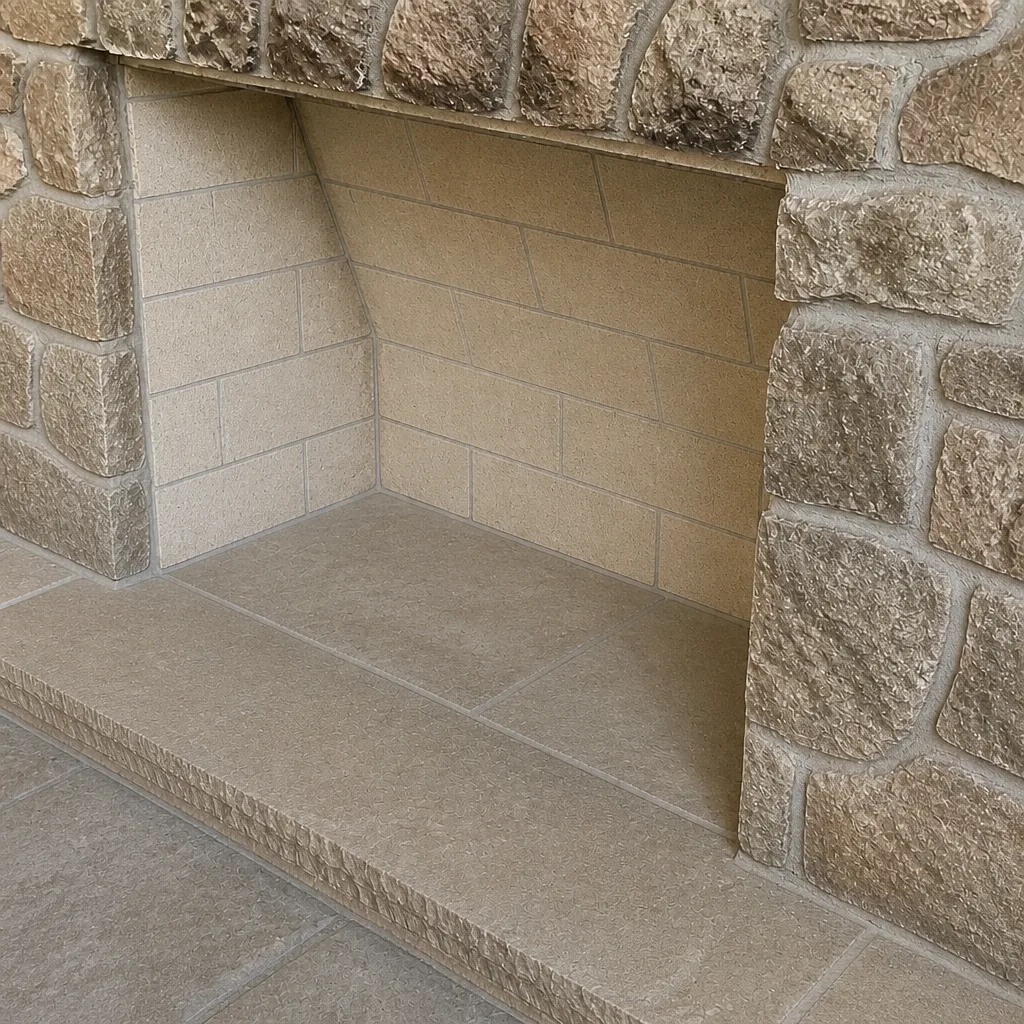
See the difference
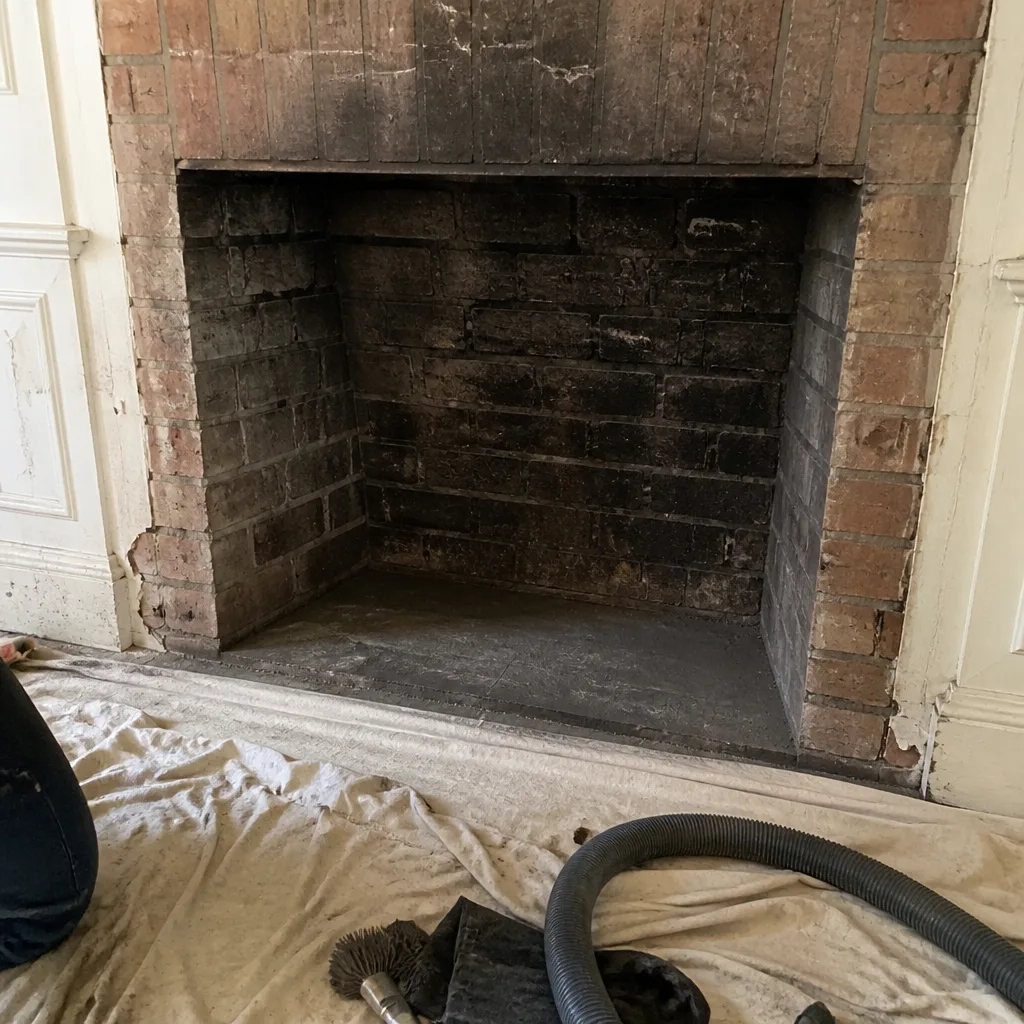 Before
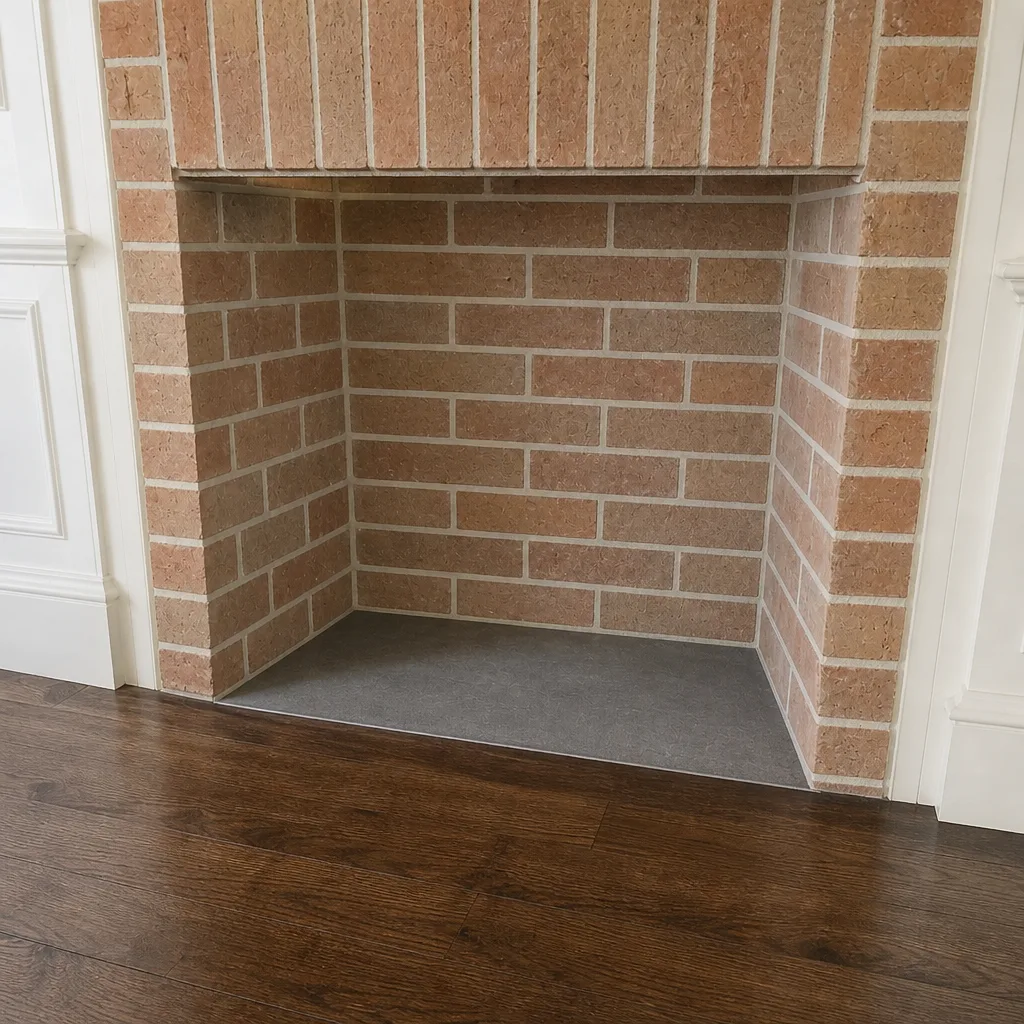 After
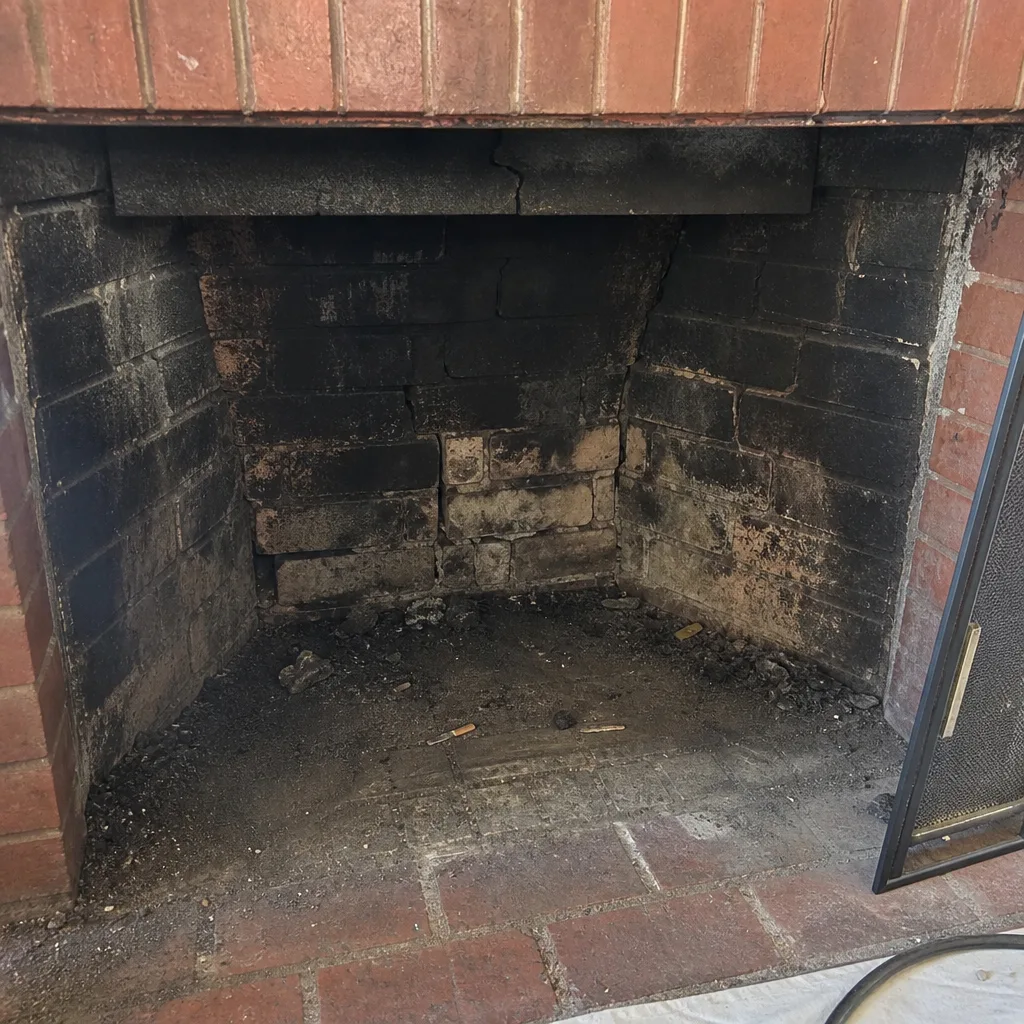 Before
 After
 Before
 After
When to Call a Professional
Call a professional if you find glazed creosote, rust on the damper, spalled tile on the smoke shelf, smoke spilling below the lintel, any sulfurous or sharp smell, efflorescence that returns after drying, or a cap that’s missing, tilted, or rusted through. Call same-week if the smell is sulfurous or if smoke is entering the room, and stop burning until the flue is checked. Our technicians have up to 10 years of experience diagnosing exactly these signs in Upper West Side brownstones, townhouses, and prewar apartments, and we carry the full scope from sweep to cap and crown to repair so the same technician who finds the problem can fix it. Chimney Sweep Upper West Side offers free estimates in Upper West Side. Call (833) 482-6118. We answer 24/7. Fast dispatch from 7am to 7pm, Sunday through Friday.
Frequently Asked Questions
Rust on the damper plate is the earliest reliable sign for most Upper West Side homeowners, because it shows water is entering the flue from above long before the fire itself behaves differently. White efflorescence returning on the exterior masonry is the other early indicator, and both point to the cap and crown as the source. Call (833) 482-6118 for an exact quote – estimates are free.
Soot is light, black, and powdery; creosote is harder, and in its advanced forms it’s shiny, glassy, or tar-like. If you can scrape a flake off with a fingernail, it’s likely first-degree; if it’s tacky or resists a fingernail, it’s likely second- or third-degree and needs a chemical treatment before or alongside mechanical sweeping. A camera inspection settles it. Call (833) 482-6118 for an exact quote – estimates are free.
A sharp, almost chemical smell is the signature of glazed (third-degree) creosote, and it means the flue needs chemical treatment and possibly resurfacing rather than a standard brushing. Don’t assume a regular sweep will clear it. Call (833) 482-6118 for an exact quote – estimates are free.
The efflorescence itself isn’t dangerous, but it’s the visible sign of active water infiltration through the masonry, which is what leads to spalling, crown damage, and rust on your damper over time. If it comes back after a dry period, water is still getting in, and the source is usually at the crown or cap. Call (833) 482-6118 for an exact quote – estimates are free.
Not always. HeatShield ceramic resurfacing restores a damaged flue without full demolition when the flue walls are structurally sound, and a DuraFlex flexible liner can reline a chimney with offsets that a rigid liner won’t fit. A camera inspection tells you which applies. For chimney repair on the Upper West Side, the diagnosis comes first. Call (833) 482-6118 for an exact quote – estimates are free.
Once a year for most wood-burning fireplaces, or more often if you burn frequently, burn green wood, or see glazed deposit. The annual sweep is also the inspection that catches exterior signs before they become repairs. If it’s been more than a year, book before the next fire. Call (833) 482-6118 for an exact quote – estimates are free.
The Bottom Line
Most chimney warning signs get misread not because homeowners aren’t paying attention, but because the sign looks like one thing and means another. Efflorescence is water, not stain. A rusty damper is a roof problem, not a metal problem. A sharp smell is glazed creosote, not wood smoke. The severity framework is the piece that turns observation into action: stop burning for sulfurous smells and smoke spillage, book within 30 days for glaze, rust, spalling, and exterior water signs, and save the light soot and faint musty smells for the next annual sweep. Our technicians have up to 10 years of experience putting these signs into context in Upper West Side homes, and we diagnose with a camera and a photo report so you can see what we see. What you’re doing when you book is not just getting the chimney cleaned; it’s getting it explained.
Call (833) 482-6118 for a free estimate. We answer 24/7. Fast dispatch from 7am to 7pm, Sunday through Friday. Whether you need a routine chimney sweep before the season, chimney cap & crown work to stop water intrusion, or a full chimney repair after a diagnosis, one call handles the scope from inspection to finished work. If you want to start at the top, our main Chimney Sweep Upper West Side page covers the full service list.
Written by the team at Chimney Sweep Upper West Side.