
Last updated November 25, 2026
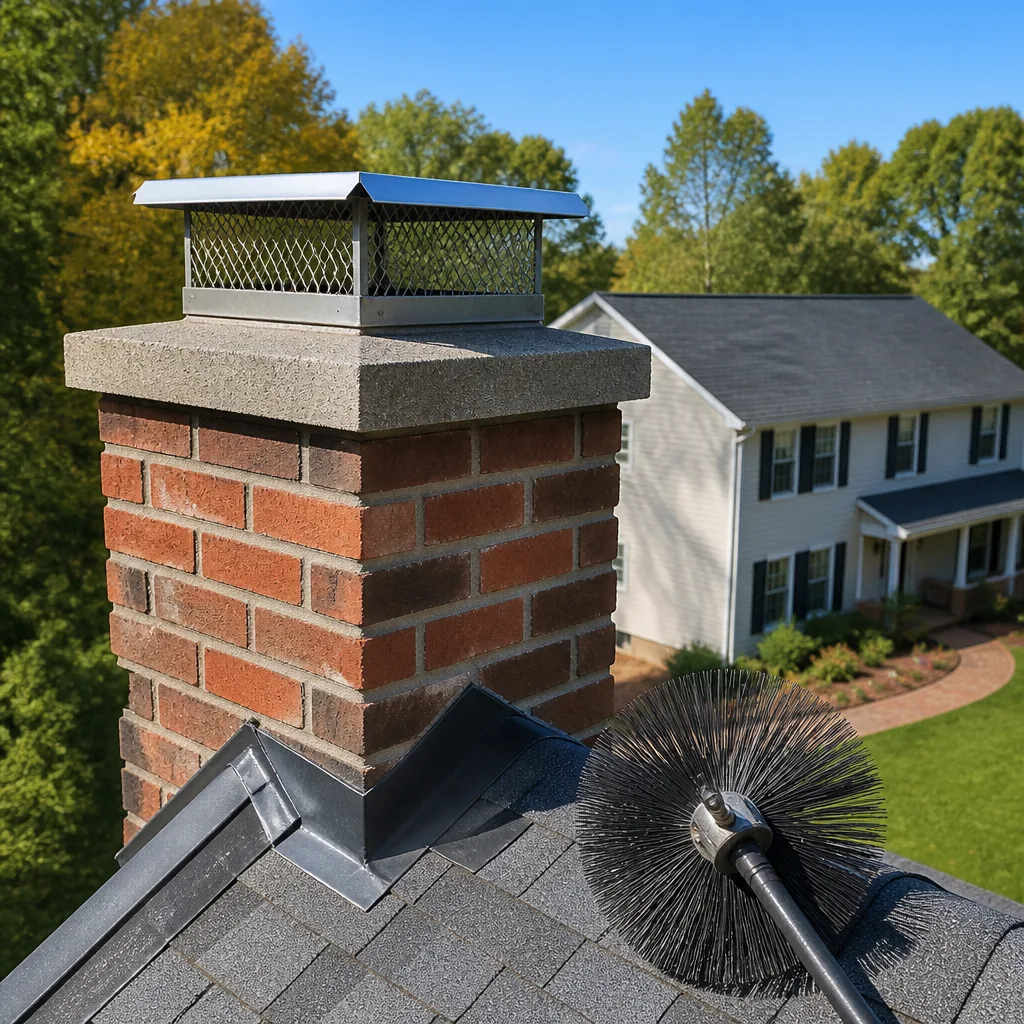 Sweep & inspection
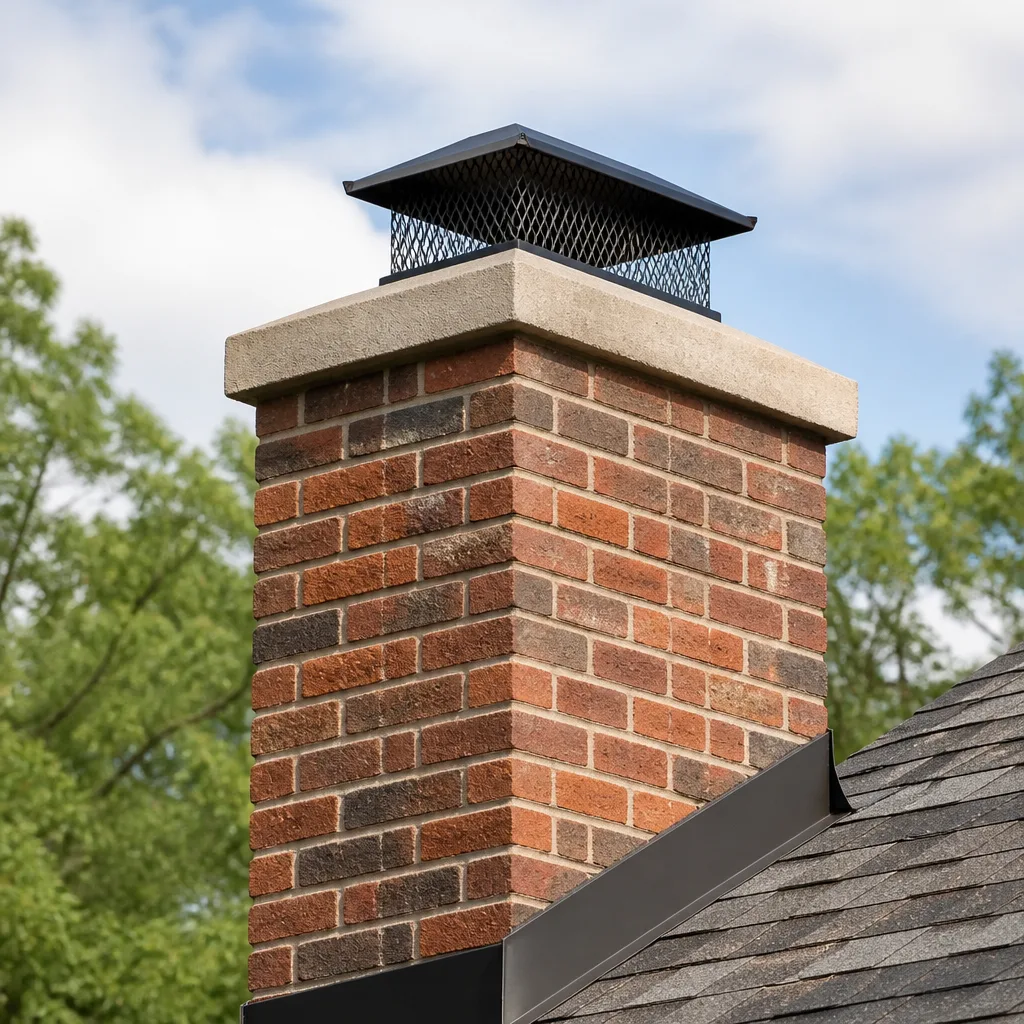 Caps & crowns
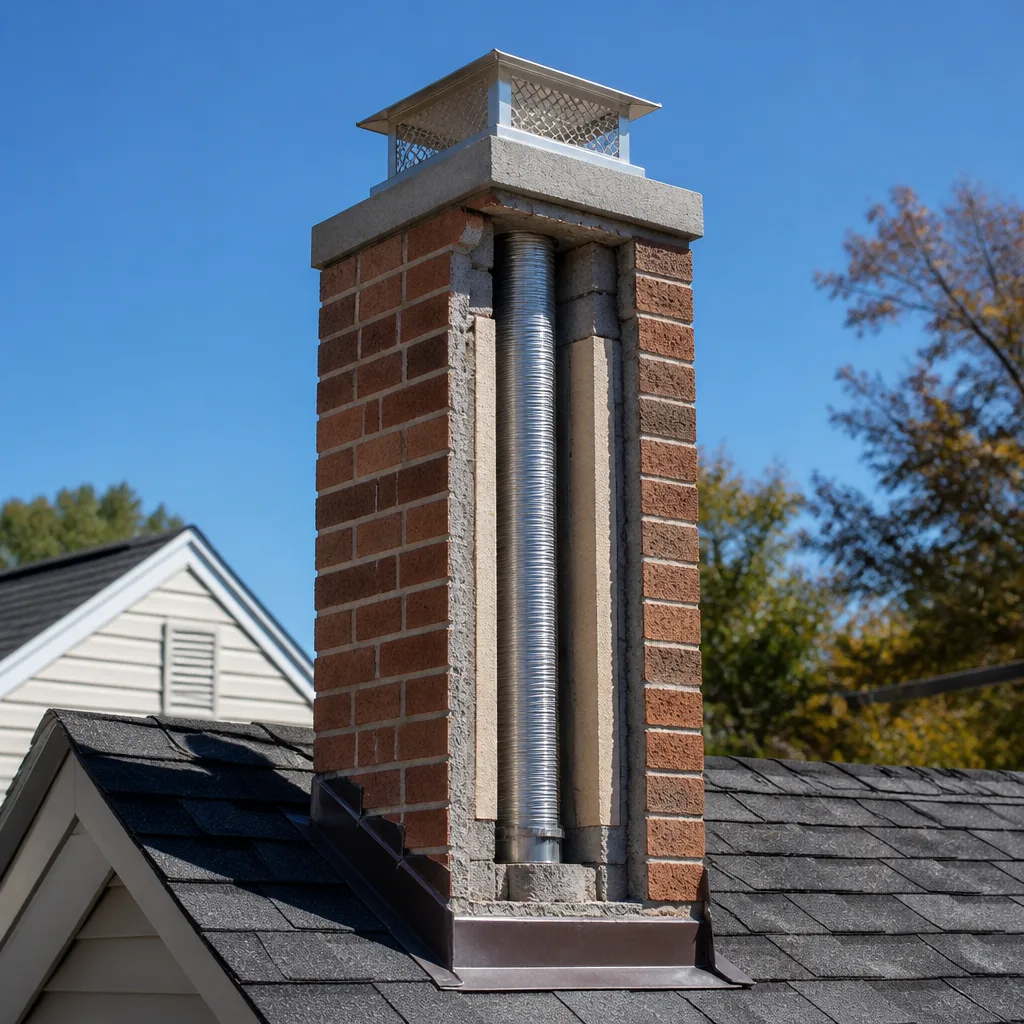 Flue relining
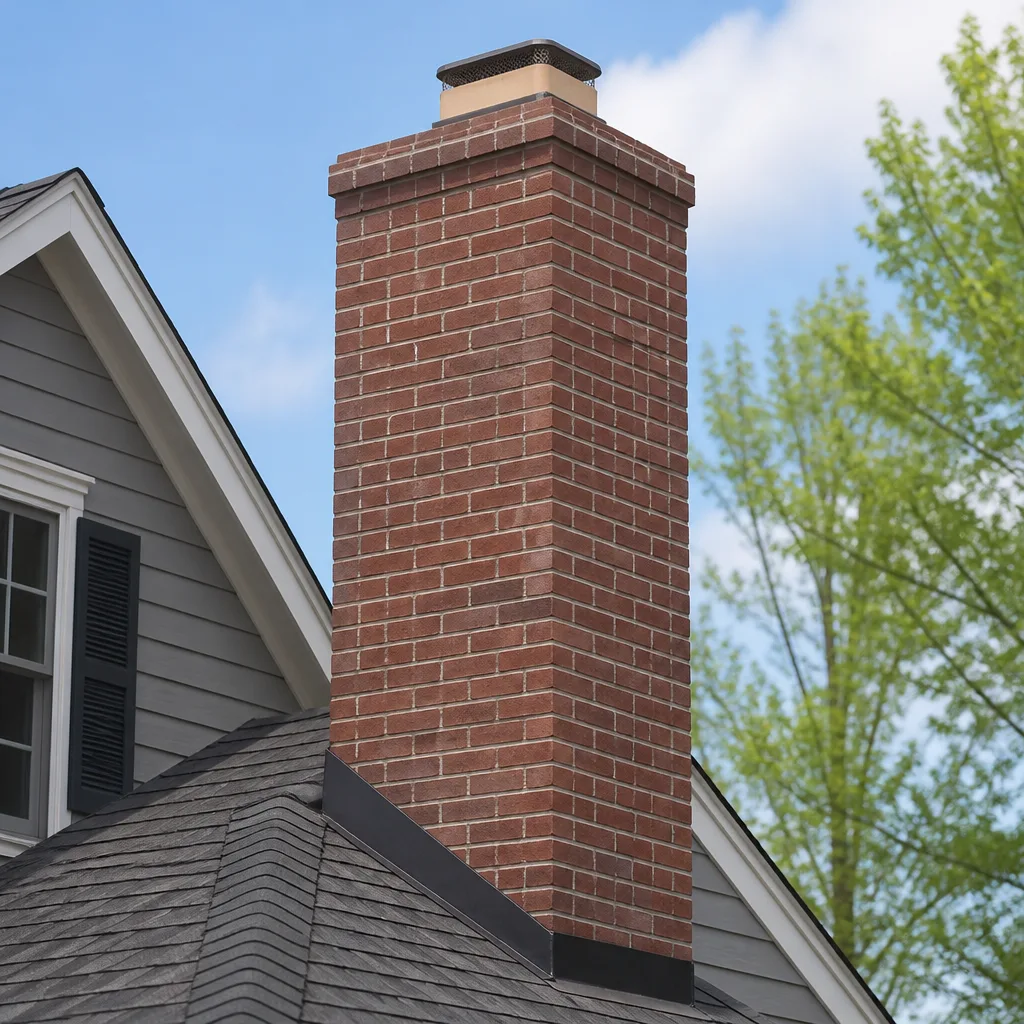 Masonry repair
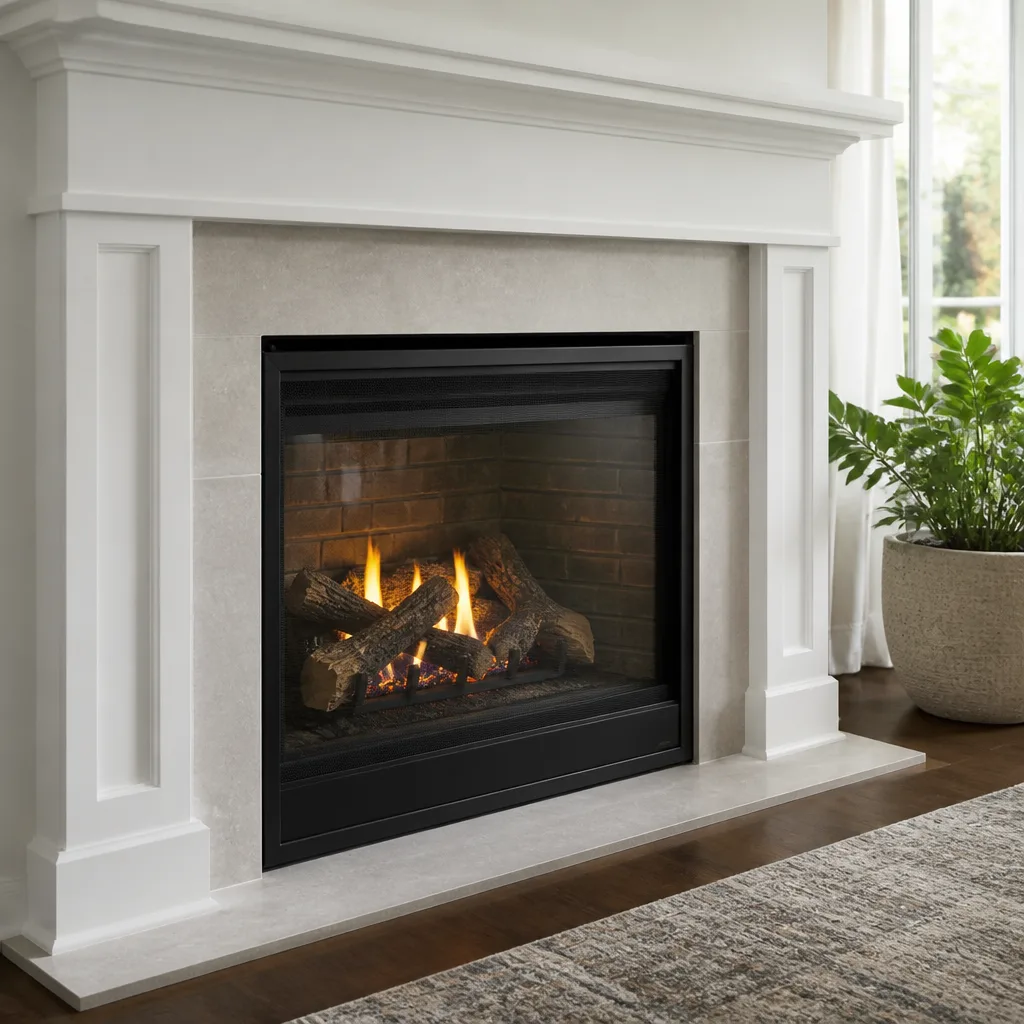 Gas fireplace service
Level 1 sweep and inspection to the NFPA 211 annual standard - flue, crown, cap, and flashing checked and photographed
Chimney sweep logs do not sweep chimneys. They loosen some creosote - which then falls where a brush and vacuum still have to collect it.
Choosing the Right Chimney Cleaning Brand: A Buyer’s Guide for Upper West Side
If a contractor quotes you a “stainless liner” without naming the gauge, the alloy type, and the listing that certifies it, you don’t have enough information to know whether that liner will last five years or twenty-five in a wood-burning chimney. That single sentence explains most of the confusion homeowners on the Upper West Side run into when they start comparing chimney companies. The industry has a small number of professional-grade product lines that credentialed technicians actually specify – HeatShield, DuraFlex, Olympia Chimney, Gelco – and knowing what those products do gives you a way to verify whether the person on your roof is a chimney specialist or a generalist with a brush. This guide walks through the materials, the specifications that matter, and the questions that separate one from the other.
Quick Answer
The right chimney cleaning brand is the one whose technician can name the specific products they use – HeatShield for flue resurfacing, DuraFlex or Olympia Chimney for stainless liners, Gelco for caps and crowns – and explain why each was chosen for your chimney’s fuel type and configuration. A company that specifies UL 1777-listed liner systems and manufacturer-documented resurfacing methods is working to an industry standard; a company that quotes a generic “stainless liner” is asking you to take it on faith.
Styles & brands we work with
- Sweep & inspection
- Caps & crowns
- Flue relining
- Masonry repair
- Gas fireplace service
Table of Contents
- Why Chimney Product Lines Matter More Than the Brand Name on the Truck
- HeatShield Resurfacing: What It Does to a Cracked Terracotta Flue
- DuraFlex Liners and the 304 vs. 316Ti Alloy Question
- Cap and Crown Materials: Aluminum, Stainless, and Copper in a City Environment
- When Rotary Cleaning Isn’t Enough: Chemical Treatments for Glazed Creosote
- How to Use Product Knowledge as a Contractor Vetting Tool
- What Makes Upper West Side Chimneys Different
- What This Work Typically Costs in Upper West Side
Why Chimney Product Lines Matter More Than the Brand Name on the Truck
Chimney work is a materials business disguised as a service business. The sweep itself is straightforward – brushes, rods, a vacuum with a HEPA filter, and a camera to see what’s happening inside the flue. The variables that determine whether your chimney is safe to burn in ten years are the products installed in it: the liner, the crown, the cap, the sealant sprayed on a failing flue. Those are the things a homeowner can’t see and can’t easily verify, which is exactly why they’re the things worth asking about.
Most chimney companies in New York operate on one of two models. Some are specialists who buy from professional-tier manufacturers – companies that sell only to the trade, publish installation specifications, and require contractors to be trained on their systems. Others are generalists who buy whatever is available at a supply house and install it without much attention to the specification sheet. The difference doesn’t show up on the invoice. It shows up years later, when a liner fails early or a crown cracks because it was poured with the wrong mix.
We work exclusively with recognized industry-grade brands – DuraFlex, HeatShield, Gelco, Olympia Chimney, Famco, and Copperfield – because those manufacturers stand behind their products with documented installation methods. When we specify a HeatShield resurfacing or a DuraFlex liner, we can point to the manufacturer’s own literature explaining what the product is rated for and how it should be installed. That’s the standard a homeowner should expect, and on the Upper West Side, where pre-war buildings have chimneys that have been through a century of heating seasons, it matters more than in newer construction.
HeatShield Resurfacing: What It Does to a Cracked Terracotta Flue
HeatShield is a ceramic-based resurfacing system applied to the inside of a clay tile flue that has cracked, spalled, or separated at the joints. Instead of demolishing the chimney to replace the tiles, a technician applies the product in layers over a custom-formed applicator, creating a new smooth, insulating surface inside the existing flue. The manufacturer documents the process as an alternative to a full reline, and in the right conditions, it extends the working life of the chimney without a rebuild.
What HeatShield is appropriate for
- Hairline cracks and vertical fissures in clay tiles that haven’t yet caused structural failure
- Open or missing mortar joints between tiles where the flue is still otherwise sound
- Rough or pitted interior surfaces that are catching creosote and impeding draft
- Chimneys where a full liner is difficult to install because of offsets or tight clearances
What HeatShield cannot substitute for
Resurfacing is not a fix for a flue with missing tiles, large voids, or a chimney that has lost structural integrity. If the clay has crumbled away or the chimney has shifted, the correct answer is a liner system or a rebuild, not a coating. A technician should be able to show you camera footage of the actual damage before recommending either path – if you can’t see the crack, you can’t make an informed decision. HeatShield is a legitimate restoration tool, but it’s not a universal one, and a company that recommends it for everything is telling you something about its diagnostic process.
DuraFlex Liners and the 304 vs. 316Ti Alloy Question
When a chimney can’t be resurfaced – because the flue is too damaged, or because you’re converting to a new appliance – a stainless steel liner is the standard solution. The two specification details that matter are the alloy and the listing.
Alloy type: 304 vs. 316Ti
Both are stainless steels, but they behave differently under heat and chemical exposure. Type 304 is the general-purpose alloy, appropriate for wood-burning appliances under normal conditions and for many gas appliances. Type 316Ti contains titanium to stabilize the alloy against sensitization – a form of corrosion that occurs when stainless is repeatedly heated and cooled – and it’s the alloy specified for oil appliances, for wood-burning installations where the chimney is exposed to more aggressive conditions, and for longer service life. A reputable contractor will tell you which alloy they’re specifying and why. “Stainless liner” with no further specification is not an answer.
UL 1777 listing
UL 1777 is the standard for chimney liners. A liner that carries this listing has been tested to withstand the temperatures and conditions of a chimney fire and has been evaluated for its intended fuel type. A liner without it is a piece of metal tubing in your chimney. Non-negotiable, every time.
DuraFlex flexible liner systems are rated for wood, gas, and oil appliances when the correct alloy is specified, and the flexibility of the system allows installation in chimneys with offsets and tight configurations that rigid liners can’t handle. That flexibility is why those pre-war Upper West Side chimneys with their twists and offsets are usually relined successfully rather than declared impossible. If a contractor tells you your chimney can’t be relined, ask what system they tried and why it failed.
Cap and Crown Materials: Aluminum, Stainless, and Copper in a City Environment
Water is the leading cause of chimney deterioration. A cap keeps rain and animals out of the flue; a crown sheds water off the top of the chimney itself. When either fails, water works into the masonry, freezes, expands, and opens the structure up season after season. On the Upper West Side, where freeze-thaw cycles in winter and summer humidity both do their work, a sound cap and crown is the cheapest maintenance a homeowner can buy.
Cap material hierarchy
- Aluminum: The budget option. Adequate in sheltered locations, but it dents under impact and degrades faster in an urban environment with air pollution and weather exposure.
- Stainless steel: The standard professional choice. Resists corrosion, holds up to wind and impact, and lasts far longer than aluminum on an exposed rooftop.
- Copper: The premium option. Develops a patina, lasts decades, and is the right choice for a chimney where appearance matters and the homeowner wants to install once. Copper commands a higher price, and on a landmarked building it may be the material the facade requires.
Crown work
A crown is poured or formed in place at the top of the chimney, sloped to shed water away from the flue. A well-built crown has a flexible sealant at the flue joint so that the movement of the chimney doesn’t crack the crown. When we install a crown, we pair it with whatever repair the chimney needs below – a cracked crown usually signals a chimney that’s taking water somewhere else too, and fixing only the top leaves the source in place. Pairing chimney cap & crown work with structural repair is how we address both the symptom and the cause in one visit.
When Rotary Cleaning Isn’t Enough: Chemical Treatments for Glazed Creosote
Creosote forms in three stages: a light soot that brushes away easily, a flaky crust that responds to rotary cleaning, and a hardened, glazed third-degree deposit that bonds to the flue like varnish. That third stage is a fire hazard and it doesn’t come off with a brush. The standard sweep will knock the surface off and leave the rest, which is why a chimney with heavy glazed creosote needs something more than a standard cleaning.
Professional-grade chemical treatments – the kind sold to the trade, not the consumer fireplace sprays – work by penetrating and softening the glazed deposit so it can be removed on a follow-up visit. A poultice treatment, applied against the flue walls, draws the creosote out over a period of days. Chemical sweep products are designed to break down the bond between the deposit and the tile. None of these are DIY-friendly, and none of them are a substitute for a technician who can assess the deposit first.
When a sweep finds heavy glazed creosote in an Upper West Side chimney, we explain what stage it’s at, show the camera footage, and describe what the treatment involves. Sometimes the right answer is a rotary sweep and a second pass. Sometimes it’s a chemical application and a return visit. Sometimes, if the flue tiles are also failing, the whole chimney needs a chimney repair that addresses both the deposit and the tile at once. The point is to look before you quote, not the other way around.
How to Use Product Knowledge as a Contractor Vetting Tool
You don’t need to be a chimney technician to evaluate whether you’re talking to one. The questions below will tell you more than any review site. A specialist answers them in specifics. A generalist gives you adjectives.
- “What liner system do you specify, and which alloy for my appliance?” A specialist names the system (DuraFlex, Olympia Chimney) and the alloy (304 for wood, 316Ti for oil or aggressive conditions), and explains the choice. A generalist says “stainless.”
- “Is the liner UL 1777 listed?” The answer should be an immediate yes. Any hesitation is a reason to keep looking.
- “What do you do for a flue with cracked tiles?” A specialist will offer resurfacing (HeatShield), relining, or rebuild depending on what the camera shows, and explain why. A generalist will recommend a liner for everything, or insist resurfacing is the only answer.
- “Can I see the camera footage?” The most important question. A chimney contractor who inspects with a camera and documents what they find with photos is giving you something you can verify. If you can’t see it, you’re being asked to trust a claim you can’t check.
- “Which cap material do you use, and why?” A specific answer – stainless, copper, or aluminum with a reason – signals a professional. A shrug doesn’t.
- “Can you do the inspection as a standalone service before I commit to repairs?” A company that will inspect and report without requiring you to buy the repair is the one to hire. A Chimney Sweep Upper West Side inspection is a service on its own, not a sales call.
That last point is the one that changes the conversation. When a company will perform an honest assessment and then let you decide, the financial pressure goes away. You’re paying for information, not for a verdict.
What Makes Upper West Side Chimneys Different
Chimneys in Upper West Side buildings are not the same as chimneys in the suburbs, and the differences matter when you’re choosing materials and companies. Most of the housing stock here dates from the late nineteenth and early twentieth centuries, which means the chimneys have seen a hundred or more heating seasons and have often been modified – a wood fireplace converted to gas, a flue repurposed for a boiler, a liner installed decades ago and forgotten about. The chimney you see on the roof may not be the chimney the original builders put there.
The buildings themselves create specific conditions. Shared masonry stacks in rowhouses and apartment buildings mean that one flue’s failure can affect neighbors, and a crown that sheds water poorly can damage masonry several floors down. The freeze-thaw cycles in New York winters are hard on crowns and mortar joints, expanding water as it sits in a crack. Summer humidity and urban air pollution both accelerate the decay of metal caps and seals. And landmark rules on some Upper West Side blocks mean that cap and crown materials may need to match a facade requirement, which is why copper is sometimes the correct answer here even when stainless would do elsewhere.
The chimney sweep service on the Upper West Side also has to account for offsets. Older buildings often have flues that jog or bend to fit within a party wall, and those configurations are why flexible liner systems like DuraFlex succeed where rigid ones fail. A company that hasn’t worked in this housing stock may not even know to look for an offset before quoting a reline. Our technicians have up to 10 years of experience with this building type, and we’ve learned that the camera inspection tells you more about what’s possible here than any rule of thumb.
What This Work Typically Costs in Upper West Side
Pricing for chimney work depends on the scope and the materials, which is why a written estimate after inspection is the only honest way to quote. Still, homeowners want a sense of what they’re looking at before making a call, and the ranges below are typical for this market. They’re estimates, not final prices; the written estimate sets the final number.
| Service | Typical Estimated Range | What drives the variation |
|---|---|---|
| Chimney sweep (standard) | $180 – $340 | Number of flues, height and access, creosote stage |
| Standalone camera inspection with report | $150 – $350 | Single or multiple flues, documentation depth |
| Chimney cap installation | $250 – $650 | Material (aluminum, stainless, copper), custom sizing, height |
| Crown repair or rebuild | $350 – $1,200 | Repair vs. full repour, roof access, matching to existing masonry |
| HeatShield resurfacing | $1,400 – $3,200 | Flue length, number of flues, extent of tile damage |
| DuraFlex stainless liner installation | $2,200 – $5,500 | Alloy (304 vs. 316Ti), height, offsets, appliance type, cap included |
| Chemical treatment for glazed creosote | $300 – $700 | Deposit thickness, treatment type, number of return visits |
Two things to watch in any quote. First, a quote for a liner that doesn’t include the cap and crown inspection is a quote that may leave the water problem unsolved. Second, a quote that arrives before any camera inspection is a quote based on guesswork – on a century-old Upper West Side chimney, that’s not a number you can rely on. The chimney sweep and inspection comes first; the repair estimate comes after, based on what the footage shows.
Common Mistakes to Avoid
- Hiring a generalist with a brush. A handyman who sweeps a chimney is sweeping below the standard of care for this housing stock. The flue conditions that catch fire here need a specialist who specifies materials.
- Accepting “stainless liner” without specifications. Alloy type, gauge, and UL 1777 listing are the three details that determine what you’re buying. If they aren’t on the quote, ask for a new quote.
- Fixing the crown without addressing the flue. A crown is a good fix for water getting in at the top. If water has been getting in for years, the flue may be damaged too, and a cap and crown on a compromised chimney delays the diagnosis rather than solving it.
- Confusing a sweep with an inspection. A sweep cleans the flue. An inspection assesses the flue, the crown, the cap, the damper, and the firebox. On an older Upper West Side building, you want both, and you want the inspection to stand alone if you need time to decide about repairs.
- Skipping chemical treatment when the creosote is glazed. Rotary cleaning alone won’t remove third-degree creosote. If a sweep cleans your flue and the deposit is still there, the fire risk is still there.
- Assuming a HeatShield quote is always cheaper than a liner. It sometimes is and sometimes isn’t, depending on what the tiles look like. Get the camera footage and the estimate for both, then compare.
- Booking a company that won’t show you the camera report. The footage is the whole game. A company that documents what it finds with photos is a company you can hold to the standard you’re paying for.
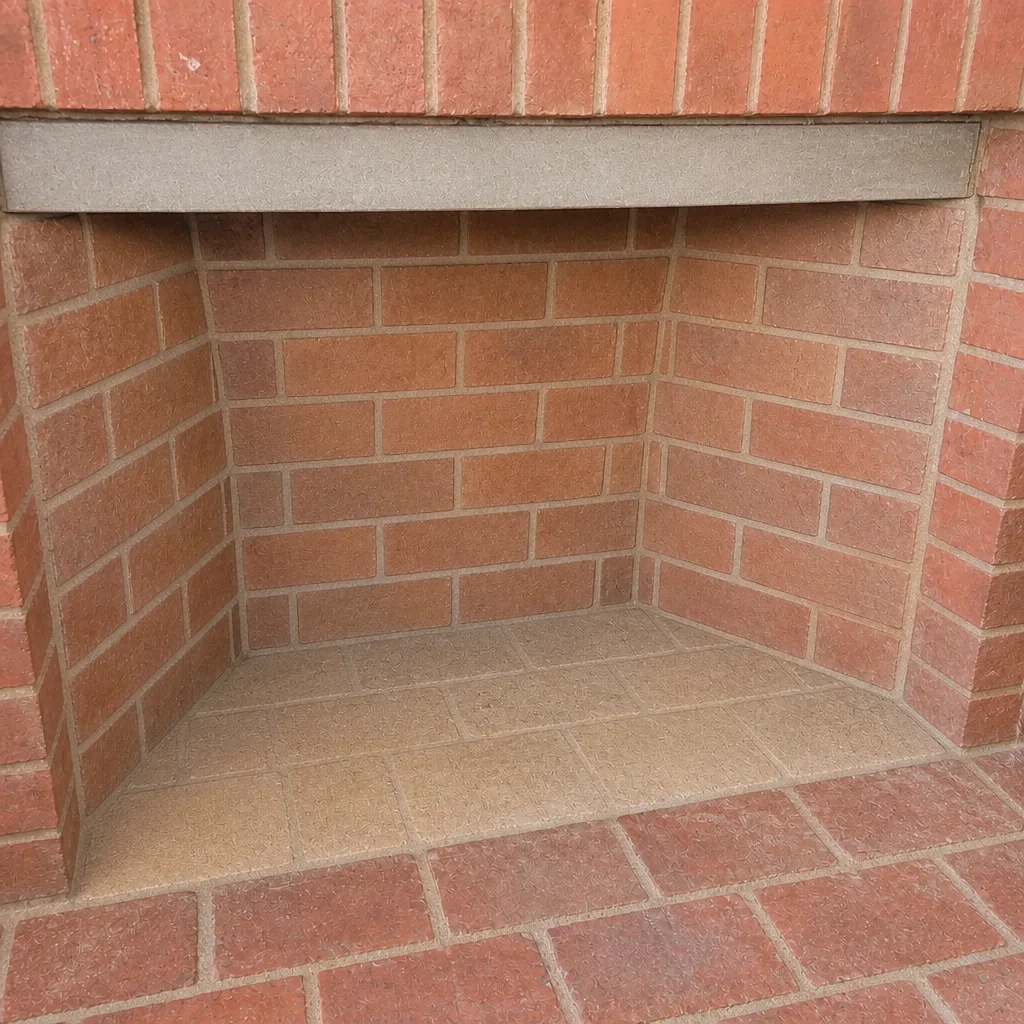
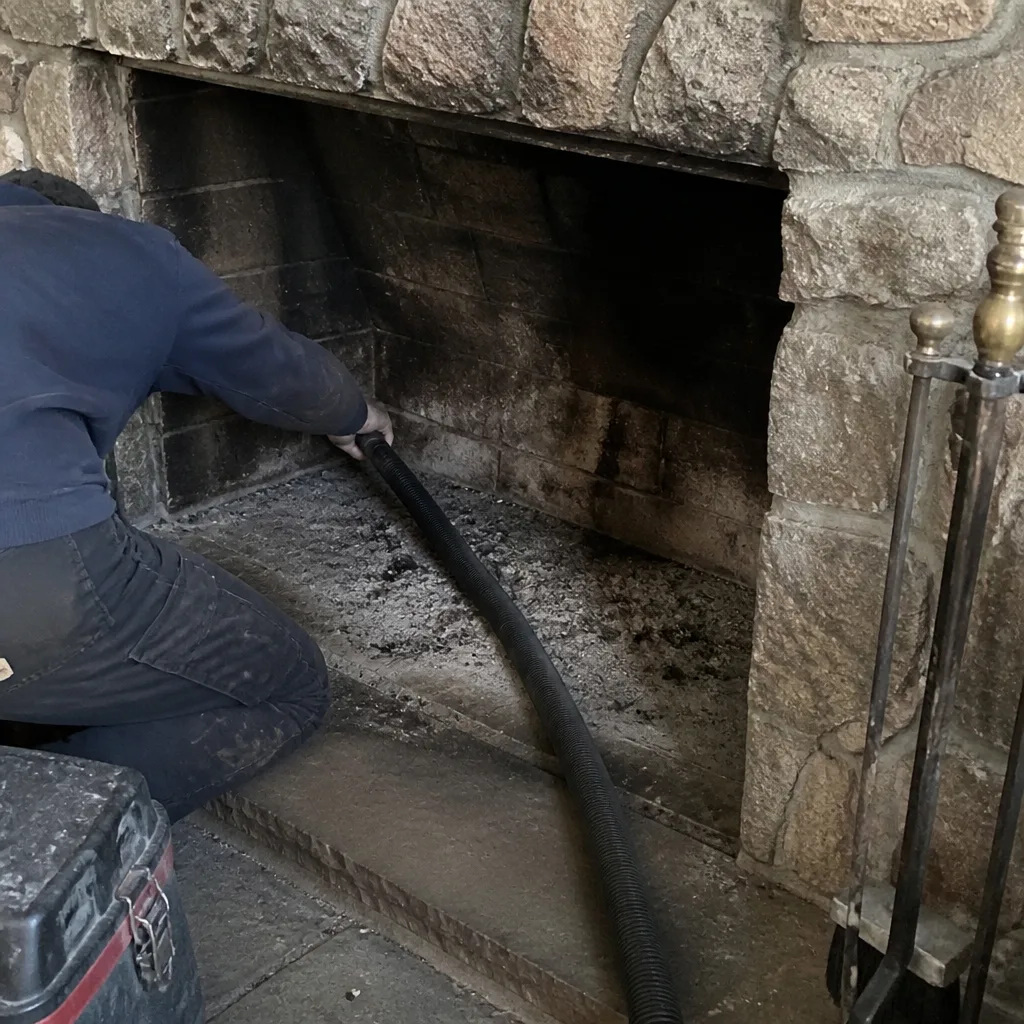
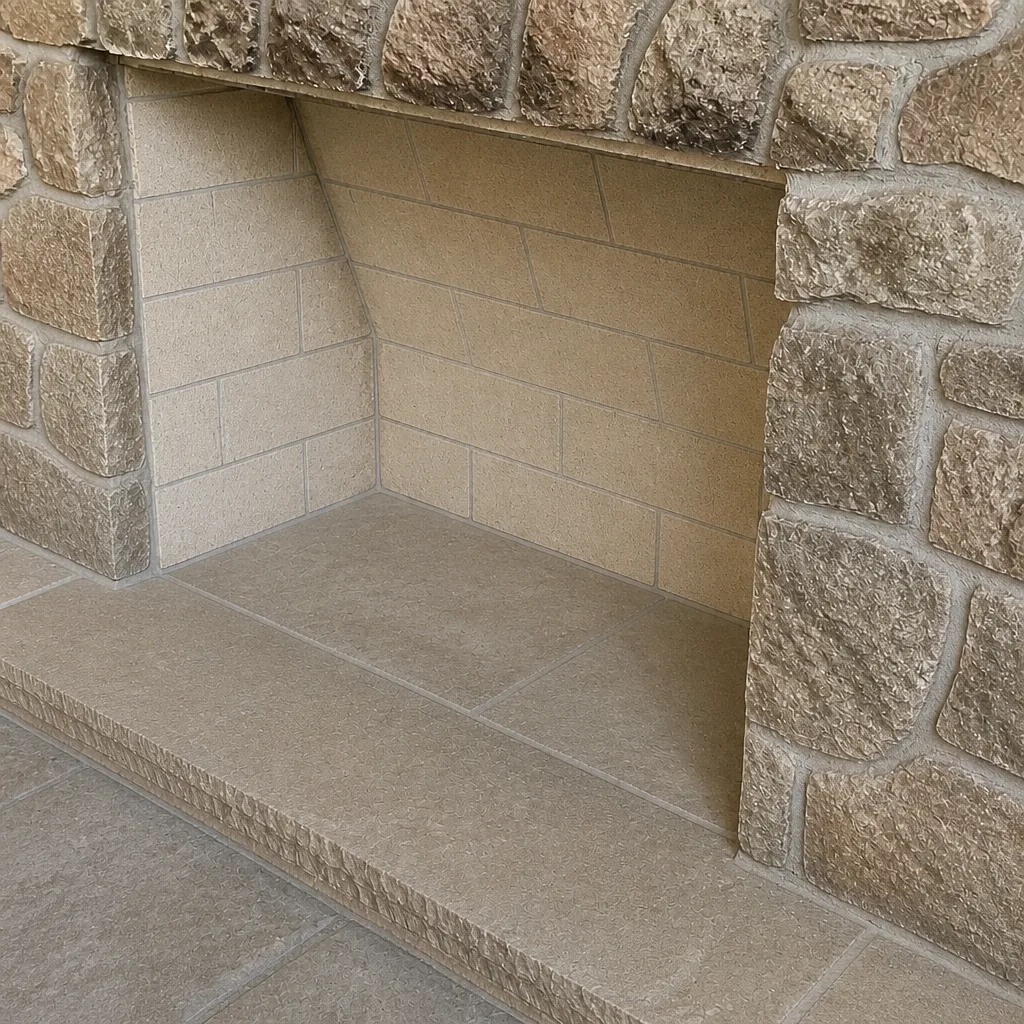
See the difference
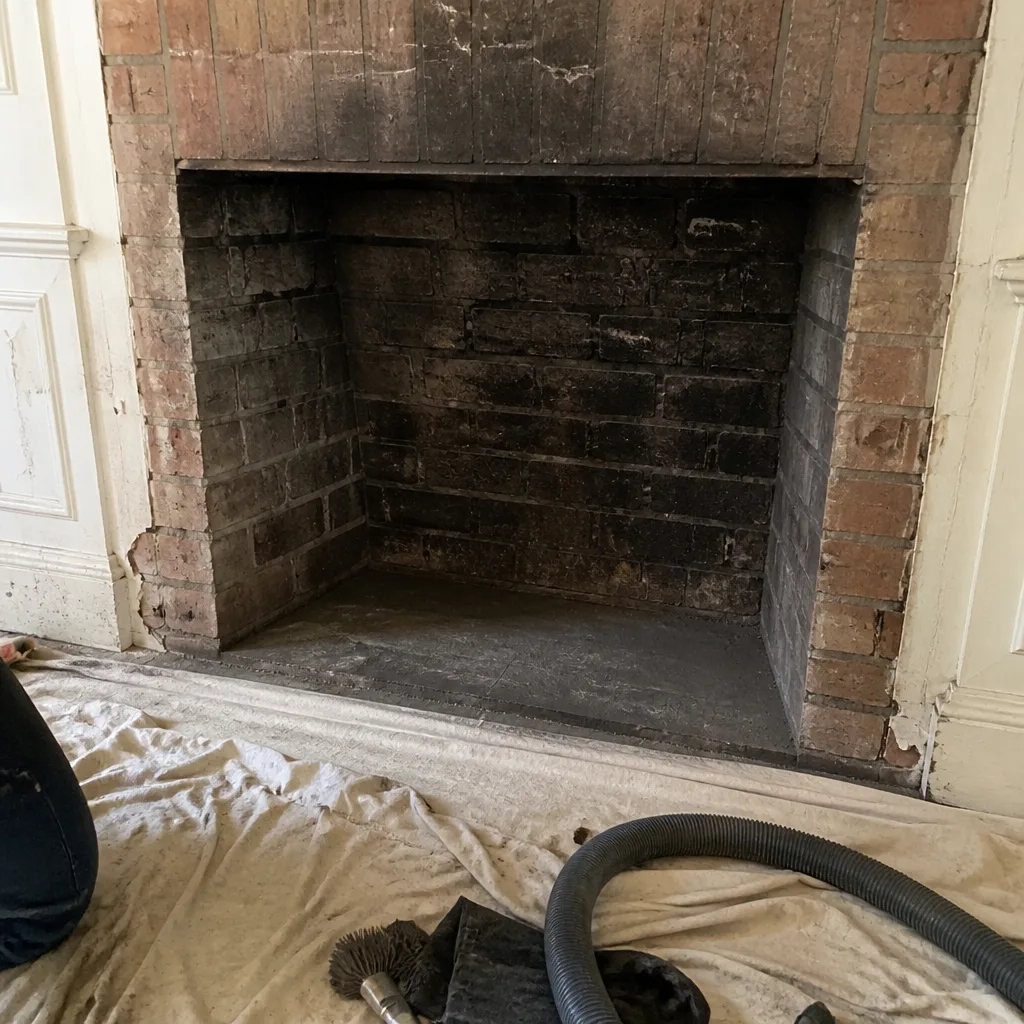 Before
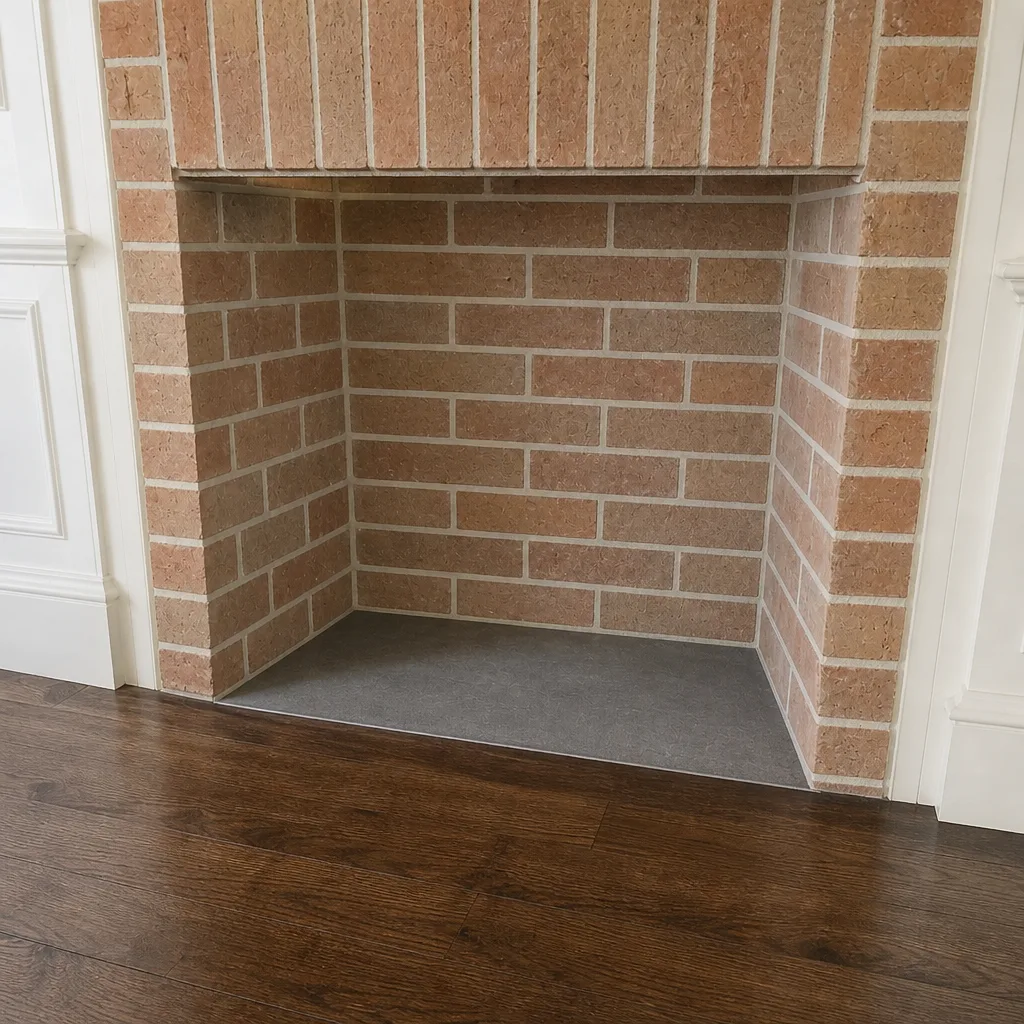 After
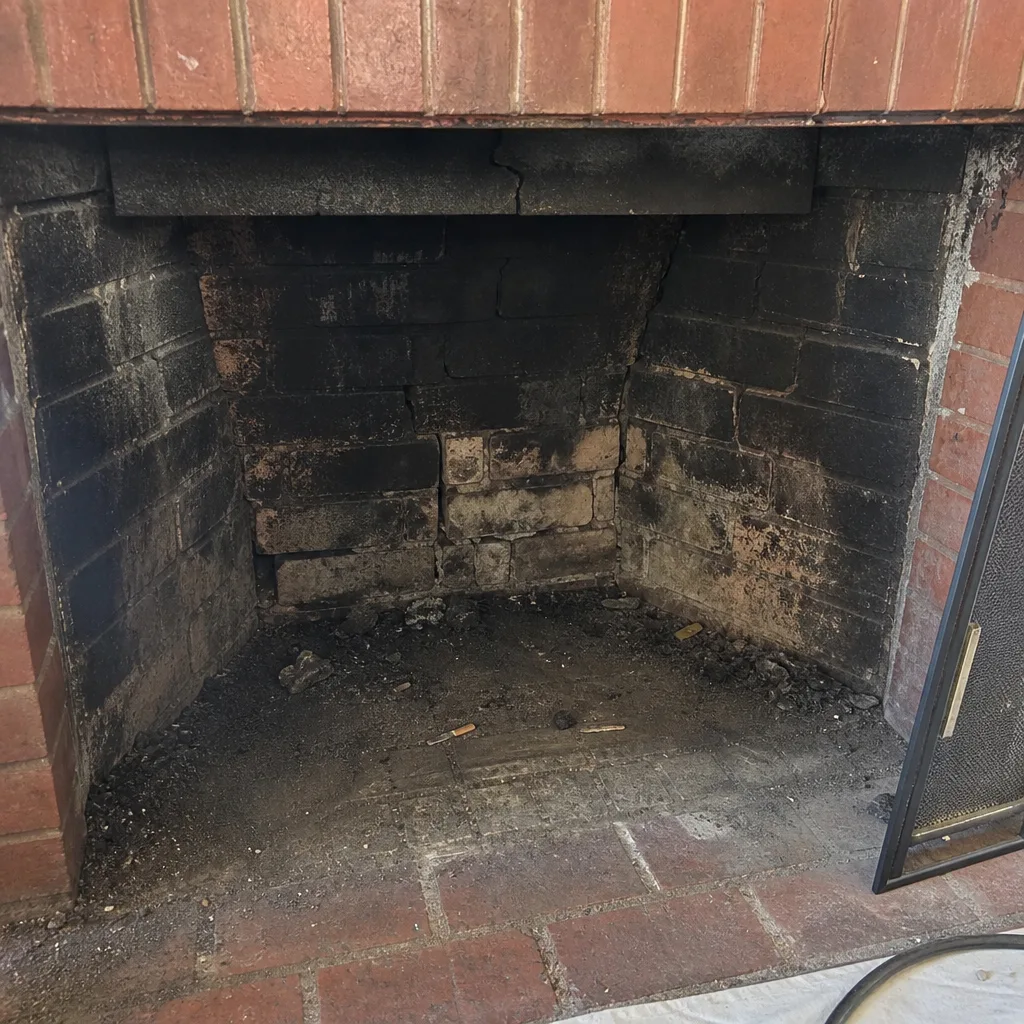 Before
 After
 Before
 After
When to Call a Professional
Call a professional before the next burning season, not during it. If you haven’t had the chimney swept in a year or more, if you’ve noticed a draft or odor when the fireplace isn’t in use, if there’s visible staining on the masonry or a cracked crown at the roofline, or if you’ve bought a new home and don’t know the chimney’s service history, an inspection and sweep are the place to start. The same goes for a gas or oil appliance flue, which should be inspected on its own schedule regardless of what the fireplace is doing. If you’ve noticed a fallen piece of tile, a loose cap, or water in the firebox, that’s a call to make now, not at the end of the season. Chimney Sweep Upper West Side offers free estimates in Upper West Side: call (833) 482-6118. We answer 24/7. Fast dispatch from 7am to 7pm, Sunday through Friday.
Frequently Asked Questions
A standard chimney sweep in Upper West Side typically costs $180 to $340, depending on the number of flues, the height and access, and how much creosote has built up. The written estimate after inspection sets the final price, and the estimate is free. Call (833) 482-6118 for an exact quote.
HeatShield is a ceramic resurfacing system applied to the inside of a cracked clay tile flue, creating a new smooth surface over damaged but structurally sound tiles. It’s an alternative to a full reline or rebuild when the damage is limited to cracks, spalled surfaces, or open joints, and it isn’t appropriate for a flue with missing tiles or structural failure. The camera footage tells the technician which path is correct; get the footage before you decide.
Type 304 is the general-purpose stainless alloy, appropriate for most wood-burning applications and many gas appliances. Type 316Ti adds titanium to resist sensitization – corrosion from repeated heating and cooling – and is the alloy specified for oil appliances and for wood installations in more aggressive conditions. Both need UL 1777 listing; the alloy question is separate from the listing question. If your quote doesn’t specify the alloy, it’s not a complete quote.
A sweep is enough if the flue tiles are intact and the only issue is soot and creosote. A liner is necessary if the tiles are cracked, missing, or separated at the joints to the point where the chimney can’t safely vent the appliance. A camera inspection is the only way to know which situation you’re in. Call (833) 482-6118 for an exact quote after inspection, and ask to see the footage.
The standard guidance for wood-burning fireplaces is once a year or once per cord of wood burned, whichever comes first. Chimneys connected to gas or oil appliances have their own schedule, and an annual inspection covers both. In Upper West Side housing stock, with century-old chimneys and heavy seasonal use, the annual sweep and inspection is the benchmark to work from.
Creosote builds up in the flue with every fire, and once it reaches the glazed stage it’s a fire hazard that a standard sweep can’t remove. A chimney fire can damage the flue and compromise the house, and a blocked flue can push carbon monoxide into the living space. Skipping the annual sweep doesn’t create an emergency overnight, but it does let a manageable condition become a structural one. Call (833) 482-6118 for an exact quote – estimates are free.
The Bottom Line
The right chimney company on the Upper West Side is the one that can name its products, show you the camera footage, and quote after inspection rather than before. HeatShield, DuraFlex, Olympia Chimney, and Gelco are the professional-tier brands for a reason: they publish specifications, they rate their systems for specific fuels and conditions, and they train the contractors who install them. A company that specs those products is working to a standard you can verify. A company that quotes “stainless liner” is asking you to skip that step. One call, full scope – inspection, repair, and installation handled by the same specialist, with a free estimate and a written price before any work starts. Call (833) 482-6118. We answer 24/7. Fast dispatch from 7am to 7pm, Sunday through Friday.
Written by the team at Chimney Sweep Upper West Side.