
Last updated November 25, 2026
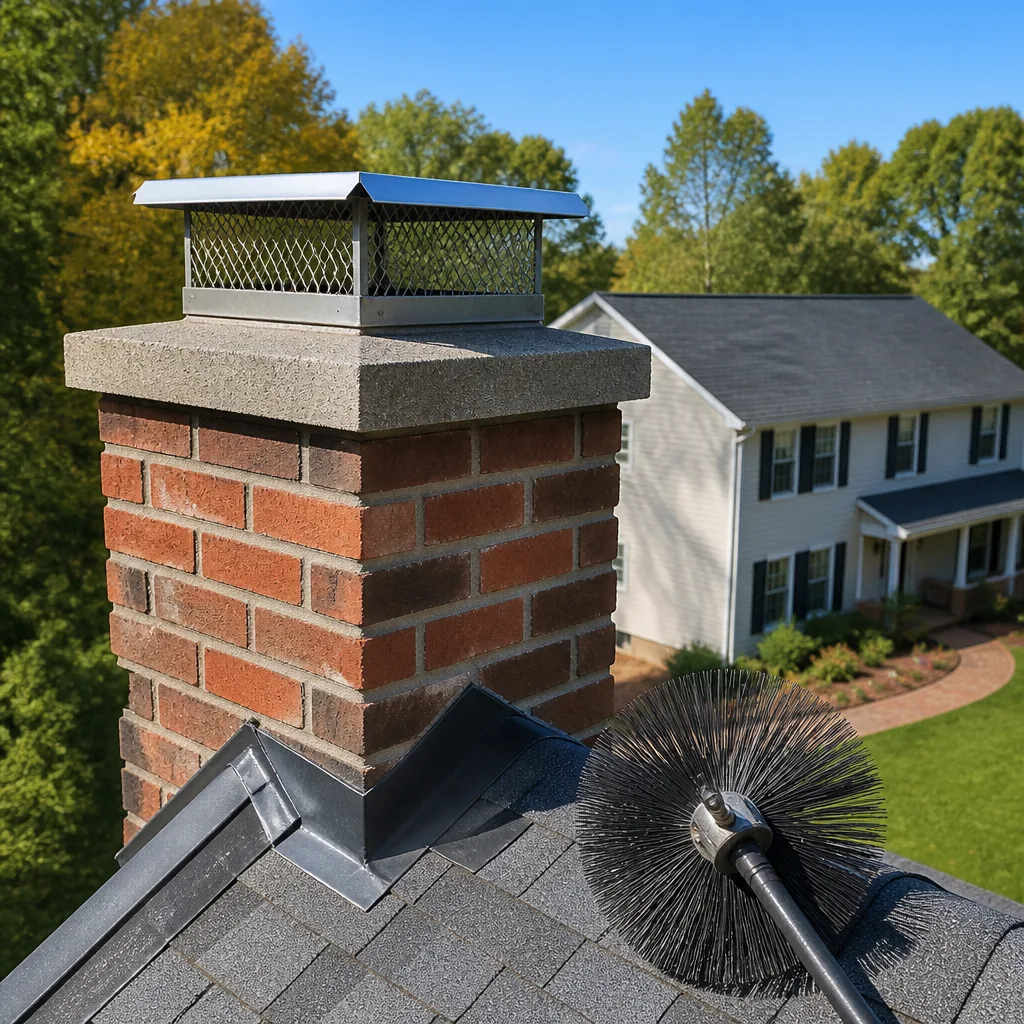 Sweep & inspection
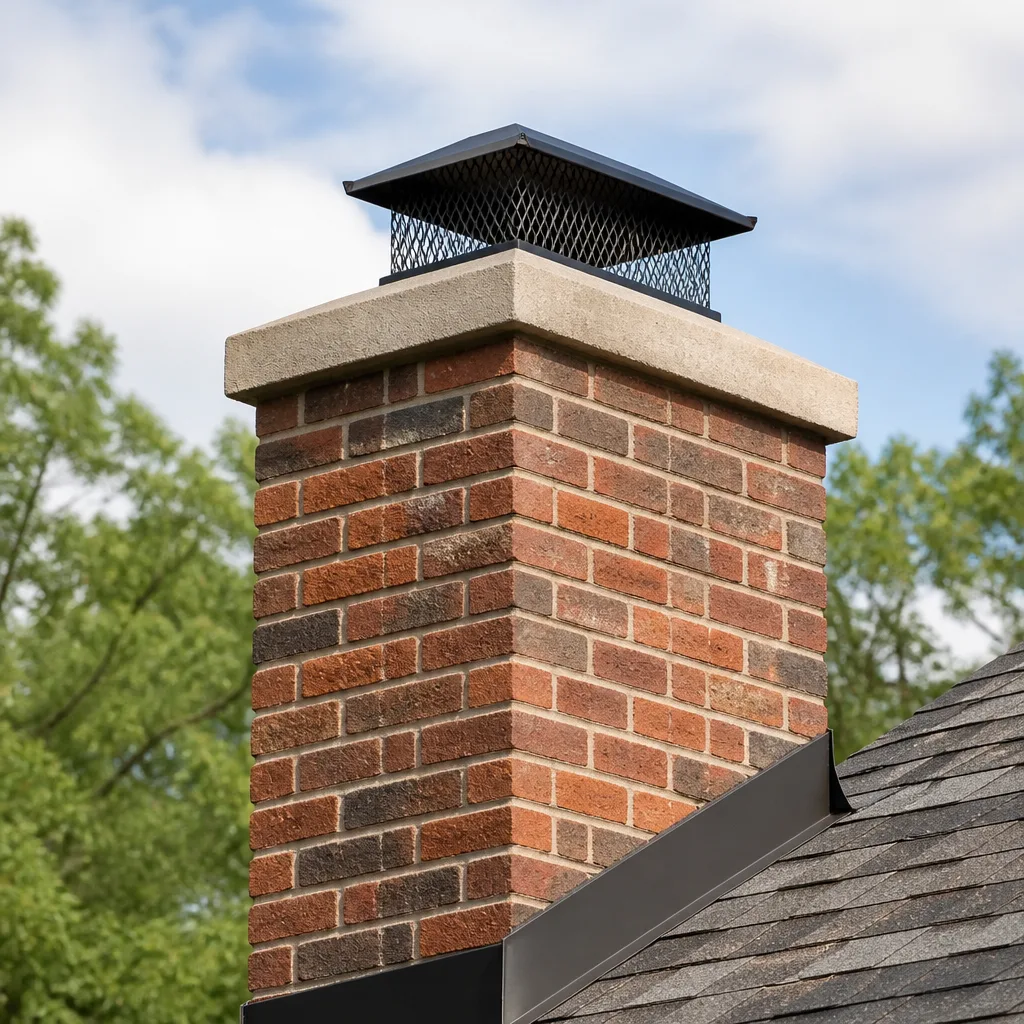 Caps & crowns
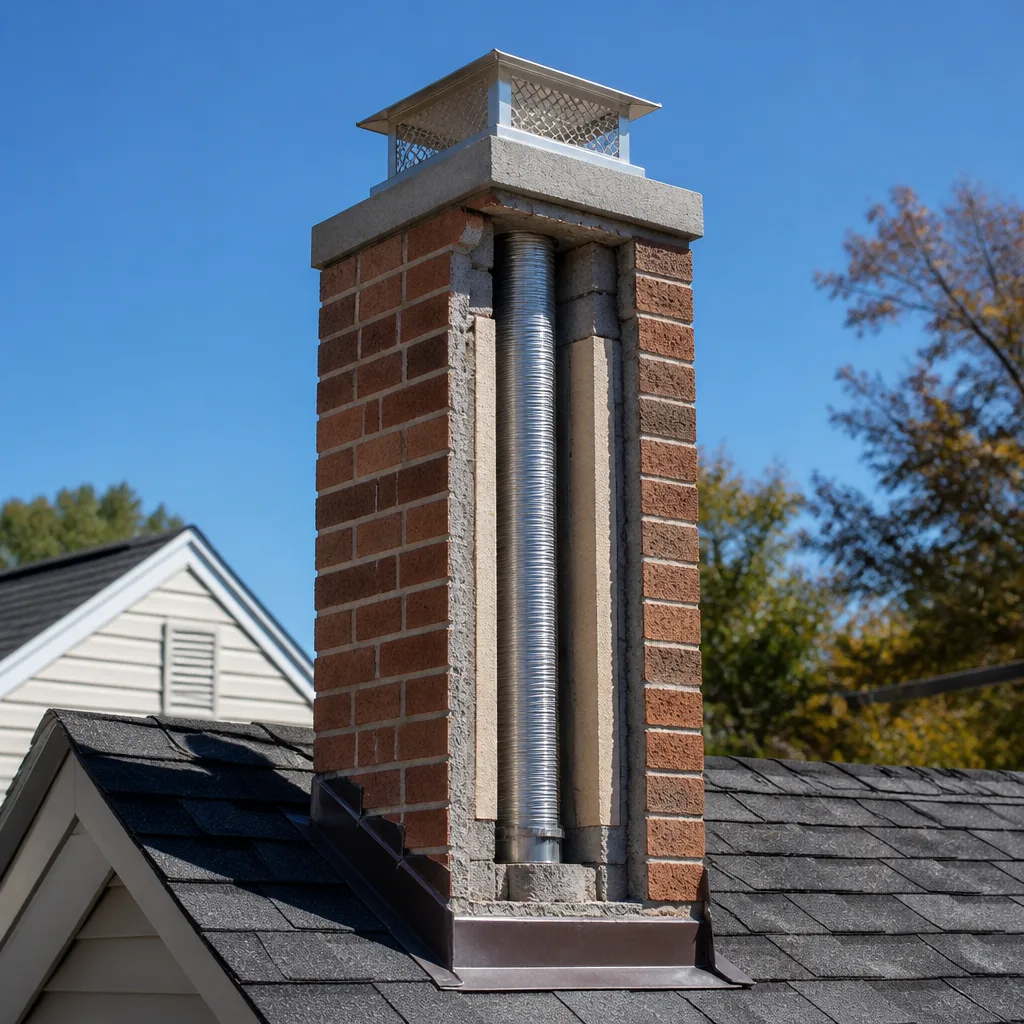 Flue relining
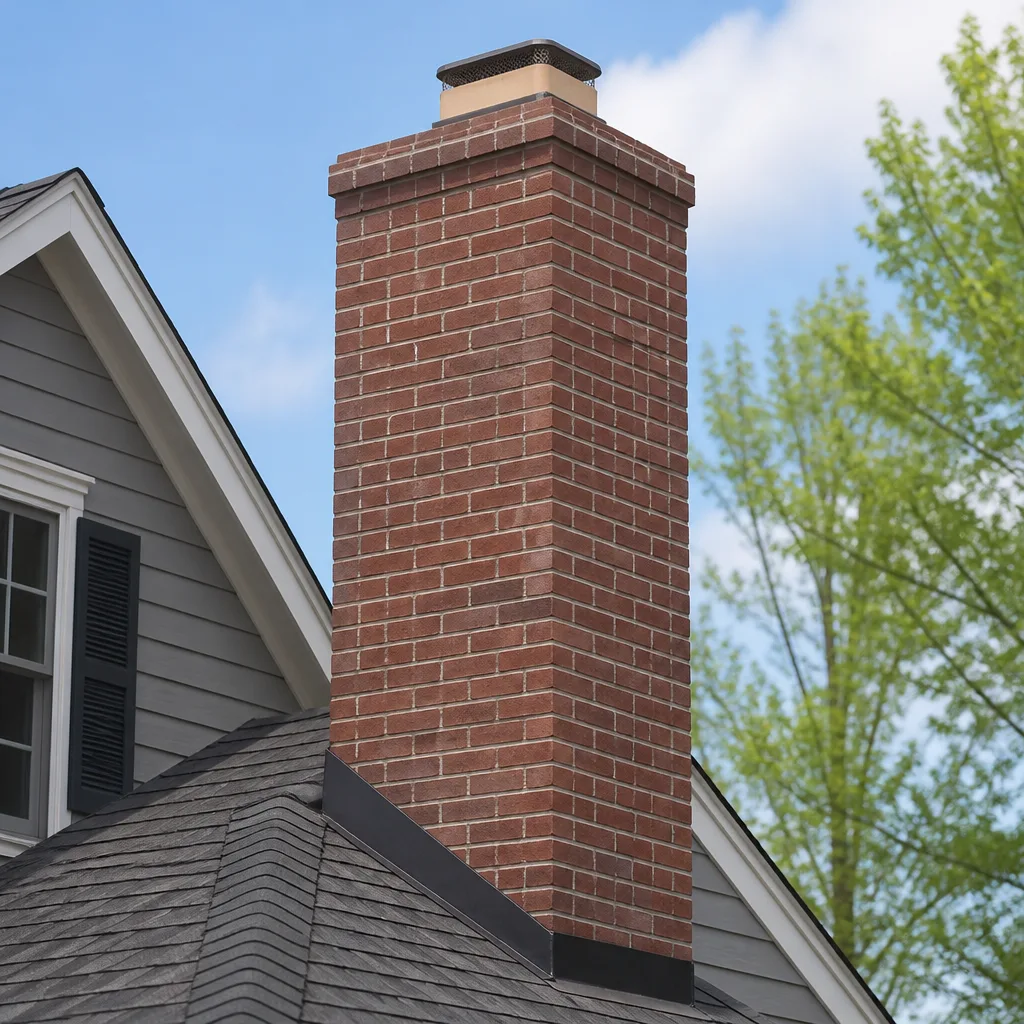 Masonry repair
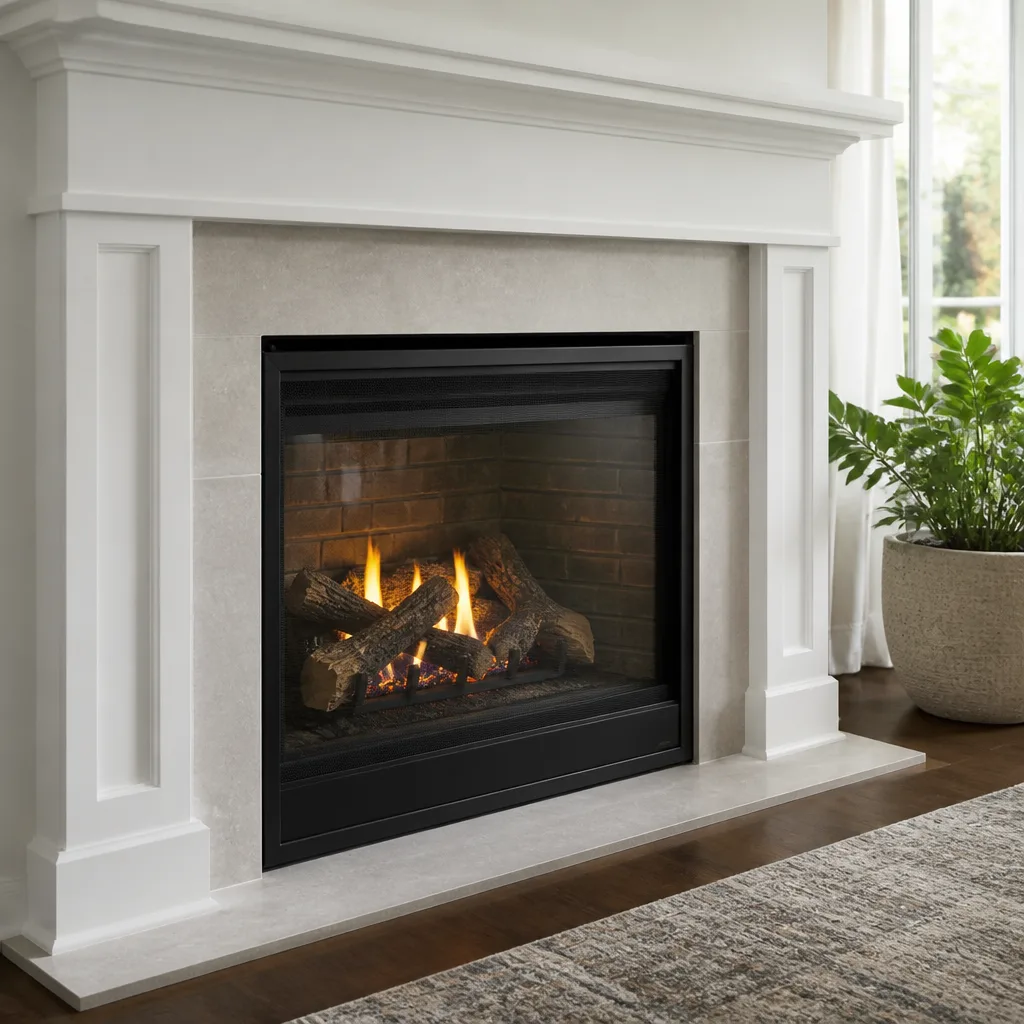 Gas fireplace service
Level 1 sweep and inspection to the NFPA 211 annual standard - flue, crown, cap, and flashing checked and photographed
Chimney sweep logs do not sweep chimneys. They loosen some creosote - which then falls where a brush and vacuum still have to collect it.
Seasonal Chimney Cleaning Care for Upper West Side: Year-Round Homeowner’s Guide
Most people in the neighborhood think about their chimney exactly once a year, usually in October, and book a sweep because the first cold snap is coming. That timing feels responsible, but it points the attention in the wrong direction. The season that does the most quiet damage to an Upper West Side chimney is summer, when nobody is burning and nothing gets inspected. A flue that sits idle for months with no airflow collects moisture, and moisture is what breaks down mortar and spalls flue tile from the inside out. This guide walks you through what actually needs to happen in each of the four seasons, why the Upper West Side’s specific conditions change the schedule, and how to build a year-round care plan instead of a single annual sweep.
Quick Answer
Year-round chimney care on the Upper West Side follows four distinct seasons: schedule your cleaning and inspection in spring after the final burn, manage flue humidity and draft in summer, clear debris and inspect before first use in fall, and monitor creosote buildup through winter if you burn heavily. One annual sweep is not enough to protect masonry from freeze-thaw cycles and summer moisture. The correct sequence is spring clean, summer dry, fall inspect, winter monitor.
Styles & brands we work with
- Sweep & inspection
- Caps & crowns
- Flue relining
- Masonry repair
- Gas fireplace service
Table of Contents
- Why Seasonal Care Beats One Annual Sweep
- Spring: The Cleaning Window Most Homeowners Miss
- Summer: When the Real Damage Accumulates
- Fall: Debris, Draft, and the Pre-Season Inspection
- Winter: Creosote Monitoring and Mid-Season Sweeps
- Freeze-Thaw Cycles and Upper West Side Masonry
- Common Mistakes to Avoid
- When to Call a Professional
Why Seasonal Care Beats One Annual Sweep
A single annual sweep handles one problem: creosote in the flue. That’s a real problem, and it matters, but it’s not the only thing that shortens the life of an Upper West Side chimney. The four seasonal stress conditions in this city don’t all express themselves the same way, and a sweep in September won’t catch damage that began forming in July and won’t predict what February freeze-thaw will do to a crown that’s already cracked.
Here’s how the four conditions break down across the year:
- Freeze-thaw masonry cycling (late November through March): water enters hairline cracks in brick, crown, and mortar joints, freezes, expands, and widens the crack. Repeated cycles open mortar joints and eventually spall the face of brick.
- Summer flue humidity (June through September): with no fire burning, there’s no upward airflow to carry moisture out of the flue. Damp air condenses on cool flue tile and mortar, and the interior stays wet for weeks.
- Fall debris loading (October and November): leaves, twigs, and the occasional nest material collect on top of a cap screen or drop into an uncapped flue, restricting draft right when you want to start burning.
- Peak-season creosote accumulation (December through February): glazed creosote builds fastest during the coldest weeks, when homeowners burn hotter and longer and dampers get run wide open. A mid-season check on heavy burners is worth it.
Treating only one of these, usually the creosote, means the other three keep working on the chimney year-round without anyone watching. That’s why we build care plans around the calendar rather than around the burning season. A proper Chimney Sweep Upper West Side visit fits into that plan, but it isn’t the whole plan.
Spring: The Cleaning Window Most Homeowners Miss
The right time to schedule your annual cleaning is spring, right after the final burn of the season, not fall before the next one. This is the single most useful scheduling change most Upper West Side homeowners can make. February and March are when creosote deposits are at their thickest from the winter, and leaving those deposits sitting in the flue through the humid summer months gives corrosive residue months of contact time with mortar and flue tile.
Creosote is acidic. It doesn’t just sit in the flue as an inert coating. Over a full summer of humidity, deposits that would have been brushed loose in March can etch into mortar joints more deeply, and the flue interior stays damp because there’s no fire pushing air up and out. Cleaning in spring removes the residue before the humidity arrives, and the dry flue that follows has a much better chance of staying dry all summer.
Spring is also the correct time for your annual inspection, and it’s the right time to catch winter damage while it’s still small. Here’s what we check in spring that we can’t easily see later in the year:
- Crown and cap condition after winter. Freeze-thaw opens hairline cracks in the crown and loosens cap fasteners. A cracked crown lets water straight into the masonry below. Spring is when we catch that damage.
- Mortar joints on the exterior stack. Winter cycling opens joints that were tight in October. Repointing is cheaper done early.
- Flue tile spalling. Interior tile faces that spall over winter get caught at inspection before the debris becomes a draft problem.
- Damper seal and firebox condition. End-of-season checks confirm what’s ready to be repaired over the summer, before fall scheduling pressure starts.
- Water intrusion at the flashing. Roof-to-chimney flashing takes a beating over winter. Spring is when the seal gets verified.
Spring scheduling also just works better. Fall is the busiest season for every chimney company in Manhattan, and a spring booking gets you on the calendar without the crunch. Doing the cleaning and inspection in the same visit, one call for both services, means nothing gets deferred to a second appointment. If you’re on the Upper West Side and want to know what to expect from the process, our page on the chimney sweep covers what a standard visit involves from the walk-up to the sign-off. If you’ve never booked one before, it’s worth reading before your first call.
Summer: When the Real Damage Accumulates
Summer is when the most expensive chimney damage silently accumulates on Upper West Side buildings. Without a fire to drive draft, the flue sits still, and standing air in a masonry chimney carries moisture from every humid day directly into the mortar and flue tile. Condensation forms on the cool interior of the flue and stays there. The result is a slow, ongoing humid exposure that accelerates mortar deterioration and flue tile spalling faster than a full winter of regular burning.
Homeowners often assume a closed damper protects the flue over summer. It doesn’t. A closed damper is a metal plate, not a moisture barrier. It keeps some air out and some air in, but humid outdoor air still moves through the chimney from the top and through the firebox from the room. The damper creates a sealed pocket of damp air that never dries.
What actually helps over summer:
- A draft cap that keeps rain out but lets vapor escape. A properly sized chimney cap with mesh screen blocks rain and animals while allowing air movement. A tight, sealed cap that blocks all vapor is a problem, not a solution. We install caps that strike the right balance and pair them with the correct crown, since a cracked crown is the other half of the water intrusion equation. Our chimney cap & crown service handles both in one visit.
- Airflow through the flue. Cracking the firebox damper slightly in dry weather, or opening the glass doors on a fireplace insert, lets some air move through and carry moisture out. This is a homeowner habit, not a service call, and it makes a real difference over a humid New York summer.
- Prevention of condensation on cool masonry. Chimneys on the shady north side of a row house or sheltered building are the worst offenders, because the masonry stays cooler and condensation forms earlier in the season.
If you notice a musty smell in the firebox during the summer, or a white, chalky bloom on the exterior brick (efflorescence), that’s evidence of moisture moving through the masonry and is worth an inspection before fall. Damp masonry also draws pests, so a cap that’s loose, missing, or damaged in July becomes an animal nest problem by September.
Fall: Debris, Draft, and the Pre-Season Inspection
Fall is when you get the chimney ready to use again, and that means clearing debris, verifying draft, and having the flue inspected before the first fire, not after it. Lighting a fire in October before any inspection is a decision that trades a modest diagnostic cost for a real safety risk. If the flue has a bird nest, a leaf mat, or a cap that’s clogged, the first fire is also the first test of whether the chimney can vent at all. We’d rather you knew before you lit anything.
The fall checklist, in order:
- Clear the debris. Leaves, twigs, and nesting material come off the cap screen and out of the flue. This is a professional job for anything beyond a visual check of the cap from the roof, because reaching into a flue without the right brushes and a drop cloth pulls soot into the living space.
- Verify the cap is intact. A cap missing mesh becomes a wildlife entry point. A cap that’s rusted through becomes a rain entry point.
- Confirm the crown is watertight. Any crack in the crown gets sealed now, before freeze-thaw hits in late November.
- Inspect the flue before first use. A camera inspection shows the interior of the flue and confirms it’s clear of obstruction and its tile is intact. The chimney repair page walks through the common findings and what each one means.
- Test the draft with a controlled burn. Once the flue is confirmed clear, a small test fire shows whether the chimney draws. A smoky firebox or a flue that stalls indicates a draft problem that should be addressed before the heating season.
- Check smoke and carbon monoxide detector function. If your firebox shares living space with a CO alarm, this is the right time to verify batteries and function.
Fall inspection timing on the Upper West Side is complicated by the building stock. Many walk-ups and prewar buildings share chimney stacks with multiple flues, and one flue can be tied to a gas appliance as well as a fireplace. Verifying the flue that serves your fireplace is isolated, clear, and correctly sized for what’s tied into it is a job that deserves a proper diagnostic, not a quick look.
Winter: Creosote Monitoring and Mid-Season Sweeps
Winter is the season when creosote builds fastest, and heavy burners need a mid-season look at the flue, not just the spring clean and fall inspection. Homeowners burning more than about three cords of wood in a season are the ones we flag for a mid-winter inspection, because the deposit rate accelerates as burn frequency goes up and the flue runs hot for longer stretches.
What triggers a second sweep in the middle of the heating season:
- More than three cords burned by February. If you’ve burned through roughly three cords before the season is over, you’re burning at a rate that puts a heavy creosote load in the flue before spring.
- Glazed, shiny deposits visible at the smoke chamber. If the damper area or the top of the firebox shows a shiny, tar-like glaze, that’s the creosote type that needs professional removal, and it’s a hazard worth addressing before the season ends.
- A noticeably weak draft that keeps getting worse. As deposits narrow the flue, draft declines. A fire that was easy to light in December and smolders by February is telling you something.
- Smoke backing into the room when you open the doors or damper. This is the symptom most often ignored and most worth checking immediately. It can indicate a partial blockage, a deposit load, or a draft problem tied to the building.
- A chimney smoke smell in the room when the fire is out. That’s a deposit and draft issue, and a mid-season sweep resolves both.
For wood-burning inserts in particular, remember that the tighter the firebox, the more concentrated the deposit pattern. Inserts run hot and vent through the same flue as an open fireplace, but the deposit load per cord can differ. If your insert has an Olympia Chimney liner installed, the liner’s smooth interior slows creosote adhesion versus an unlined flue, but it doesn’t eliminate buildup and it doesn’t remove the need for a mid-season check.
One more winter point about safety. If your flue is lined with a flexible liner system, whether DuraFlex or another professional-grade product, the liner is what stands between the hot flue gases and the surrounding wood framing. Any liner needs an annual inspection to confirm it’s still intact. If you notice a strong creosote smell, a flue that doesn’t draw, or soot falling into the firebox outside normal use, have it inspected before burning again.
Freeze-Thaw Cycles and Upper West Side Masonry
Freeze-thaw damage to Upper West Side chimneys doesn’t follow the same timeline as it does in suburban homes, and the difference is worth understanding if you own or manage a building here. Two factors change the math: the thermal mass of Manhattan masonry construction, and the urban heat island effect.
Upper West Side buildings are largely prewar masonry, and that masonry holds heat from the building interior and from the sun much longer than a wood-framed suburban house. This sounds like a benefit, and in some ways it is, because the masonry doesn’t reach freezing as quickly. But the effect on the freeze-thaw cycle is subtler: the mass of the masonry means the outer face warms faster during the day and cools more slowly at night, and near a building’s boiler or shared flue, warm air from the interior keeps the inner face of the masonry warmer than the outer face. That temperature difference across the brick is what drives water migration, and water migration into the brick is what sets up freeze-thaw damage on the next cold night.
The urban heat island effect cuts both ways. Warmer nights mean fewer freeze cycles in a typical winter, which is good, but it also means that when a hard freeze does arrive, it often arrives after days of moisture accumulation from thawed snow or rain-soaked masonry. A hard freeze on wet masonry is the expensive event. The crown dries first, the upper mortar joints next, and a hard freeze before that drying finishes catches wet brick with no margin.
A few specifics that make the Upper West Side different:
- The crowns crack first. The top of the chimney is exposed to every freeze-thaw cycle and to rain, and it’s often the first thing to fail. HeatShield ceramic resurfacing can restore a damaged flue interior, but a crown that isn’t repaired lets water back in and defeats the resurfacing.
- Shared stacks complicate inspection. Row houses and prewar buildings often have shared chimneys and multiple flues in one stack. Damage in one flue doesn’t always stay in one flue, and a masonry repair near one flue often needs the neighboring flue checked.
- Shaded exposure matters. Chimneys on the south face of a block dry faster than those on the north face. If yours is shaded, winter water damage is likely to appear a season before the sunnier chimneys on your block.
- Flashings loosen faster. Roof-to-chimney flashings on tar-and-gravel or slate roofs on the Upper West Side are exposed to more thermal movement than a suburban shingle roof, so a spring or fall check of the flashing seal catches leaks early.
Common Mistakes to Avoid
- Booking your annual cleaning in the fall instead of the spring. Fall cleaning covers the creosote load, but it leaves deposits in the flue over the humid summer, exactly when they do the most damage to mortar and flue tile.
- Assuming a closed damper keeps the flue dry. A closed damper traps a pocket of humid air against the flue tile. What the flue needs is ventilation, protected by a cap that blocks rain but allows vapor to escape.
- Lighting the first fire before inspection. If the flue has a debris blockage or a failed tile, the first fire is when you find out, and finding out in a fire is worse than finding out during an inspection.
- Ignoring a cracked crown because it’s small. Freeze-thaw cracks grow over the winter. A hairline crack in October becomes a money-sized leak by March. Fix the crown when you first see it.
- Skipping the mid-season check on heavy burners. Homeowners burning more than about three cords a season often have glazed creosote by February. If you’re burning that much, plan a mid-winter inspection, not just a spring sweep.
- Scheduling a sweep without booking the inspection. A sweep is one service. An inspection is a separate scope that shows you what the camera sees inside the flue. Book them together and the same specialist can handle findings in one call.
- Assuming a shiny, glazed deposit is just “a little soot.” Glazed creosote needs professional removal, and it’s the type that deserves a trained technician, not a brush and a ladder. Don’t try to remove it yourself.
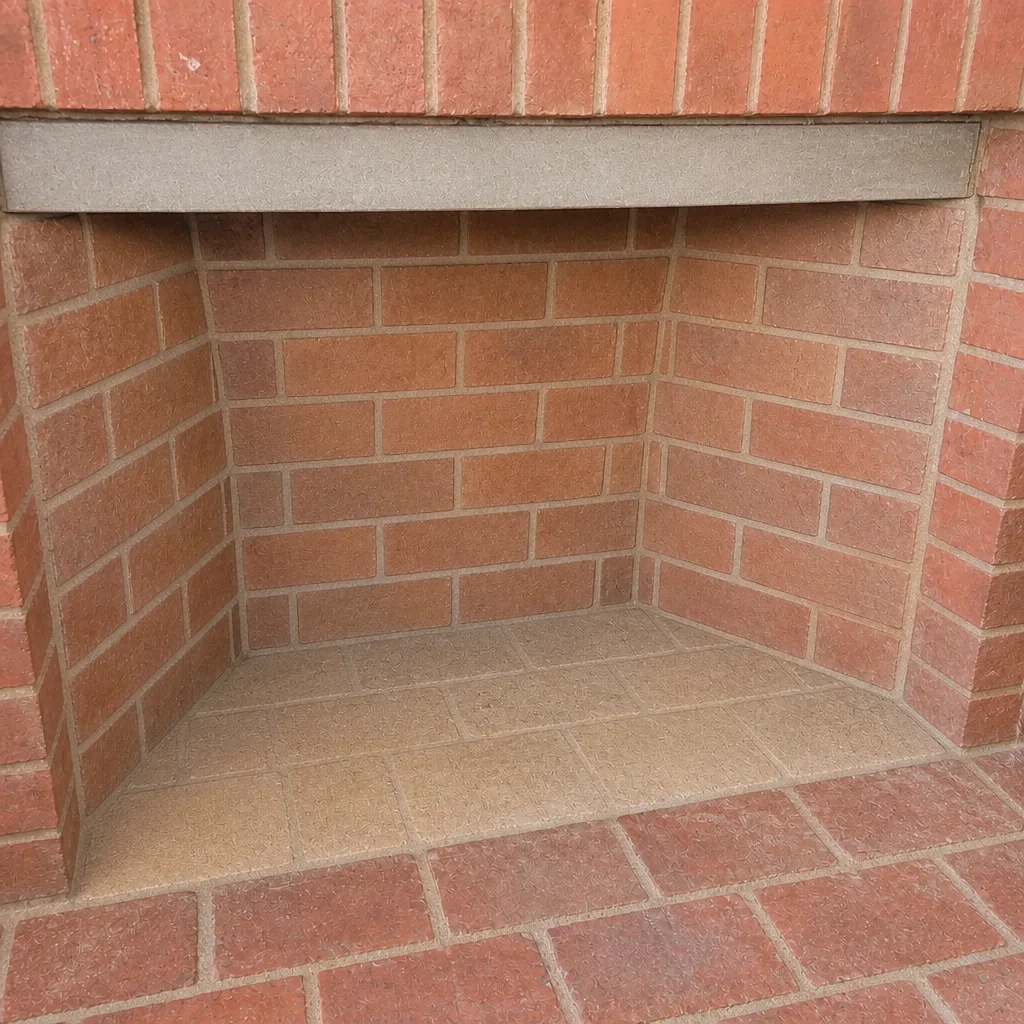
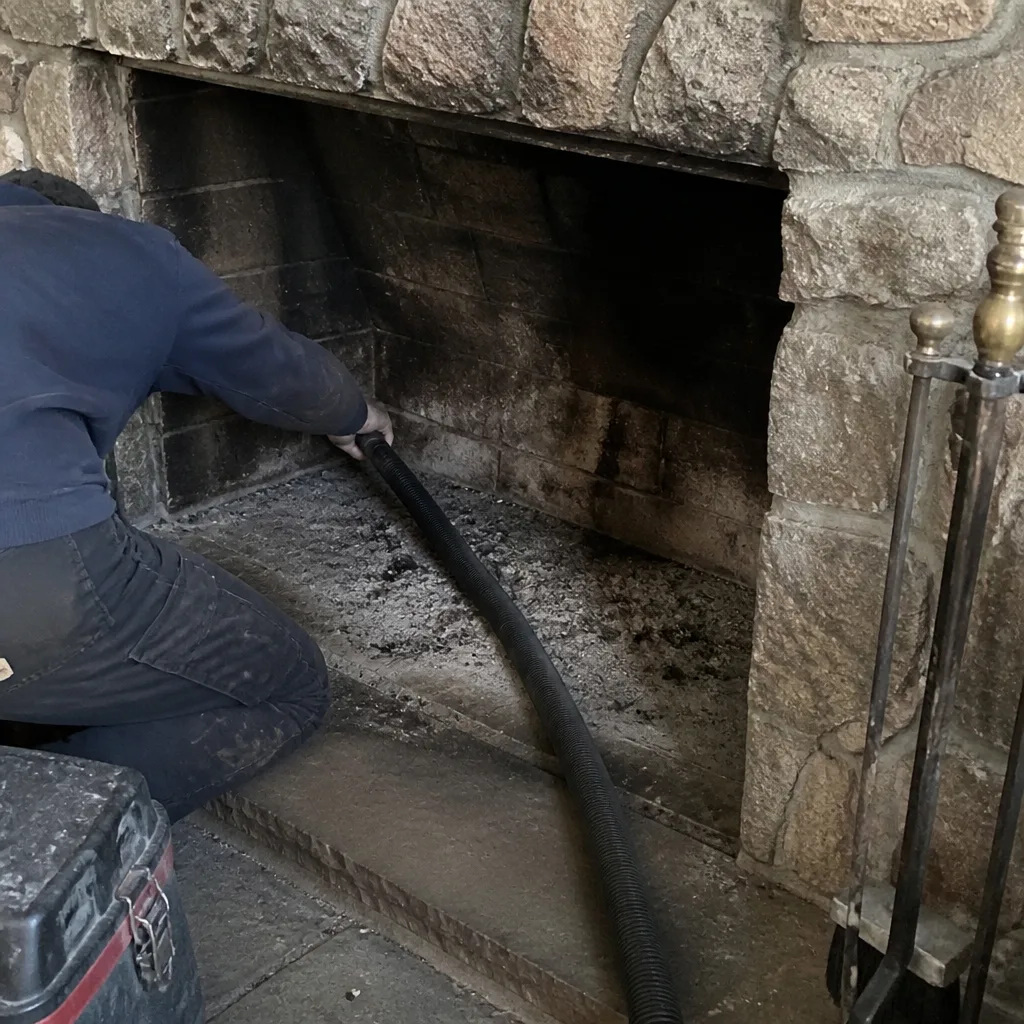
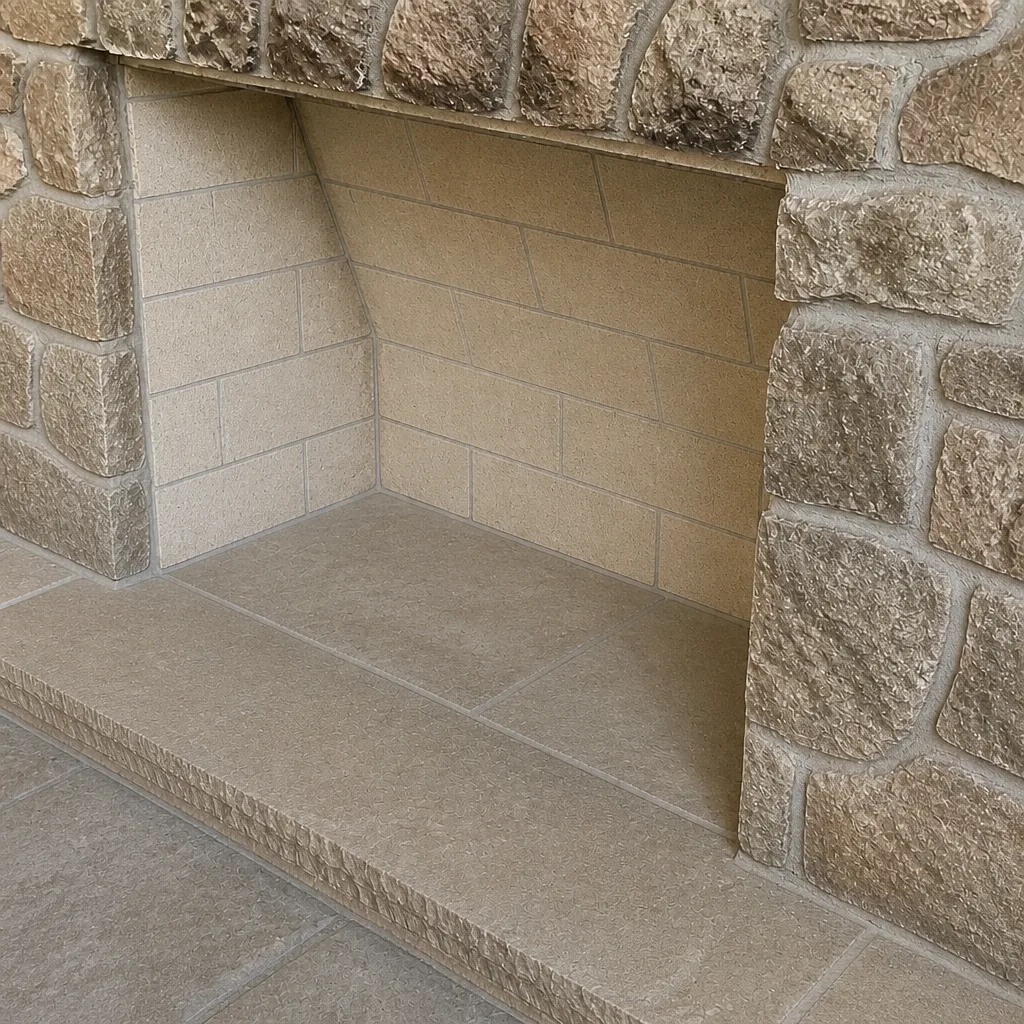
See the difference
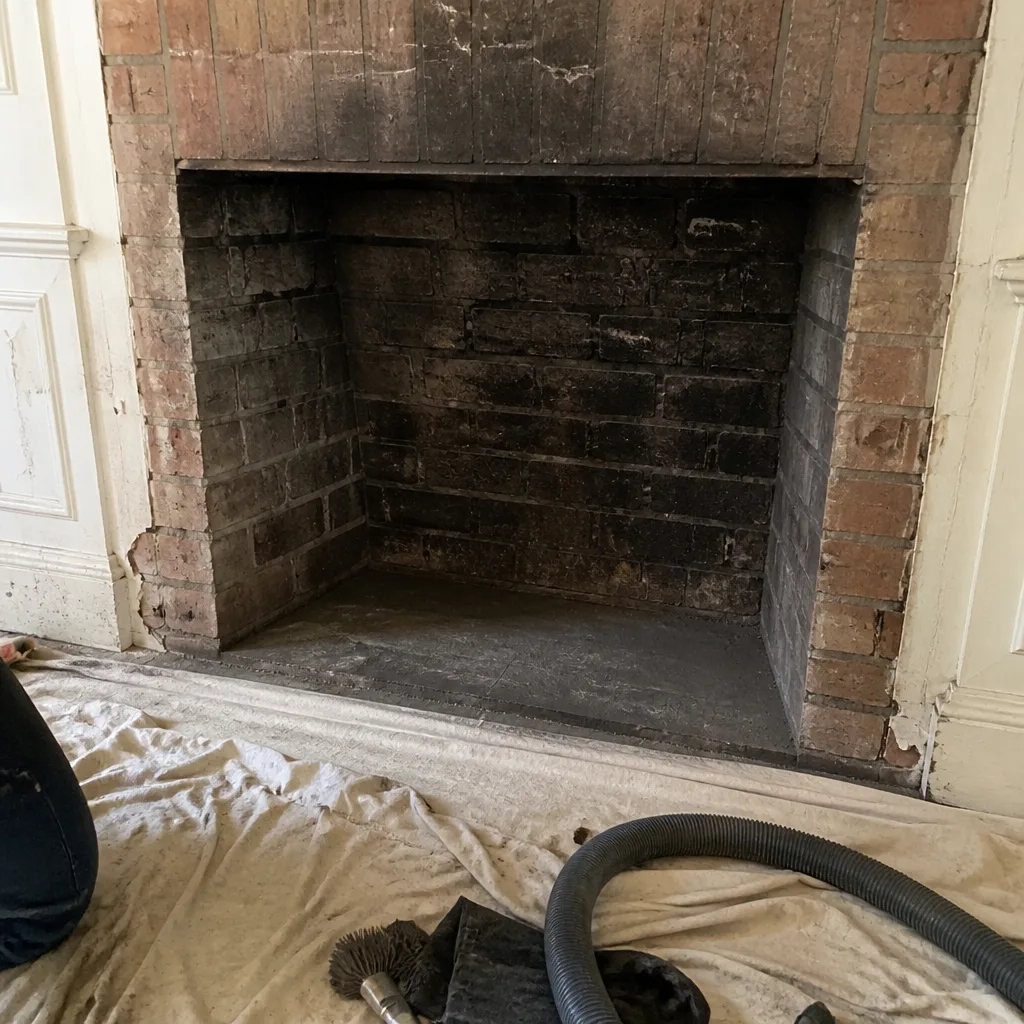 Before
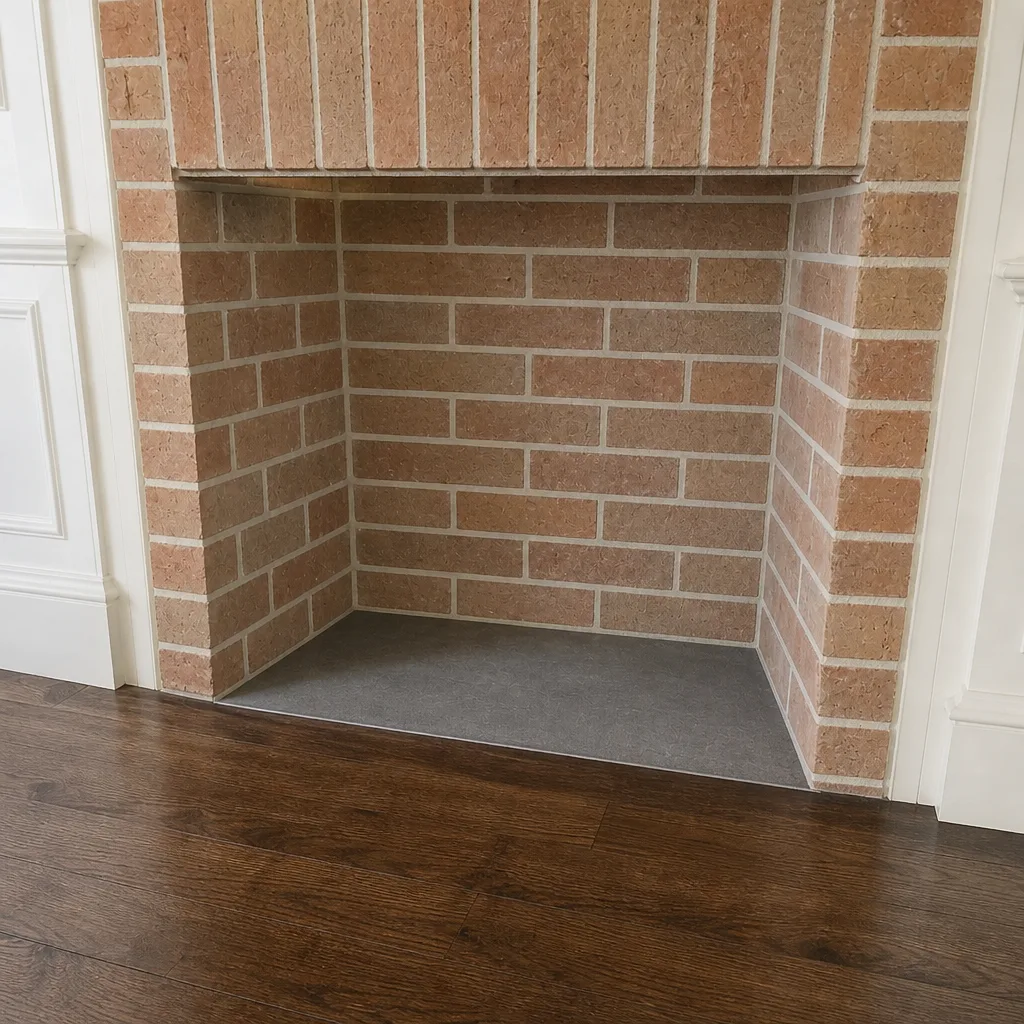 After
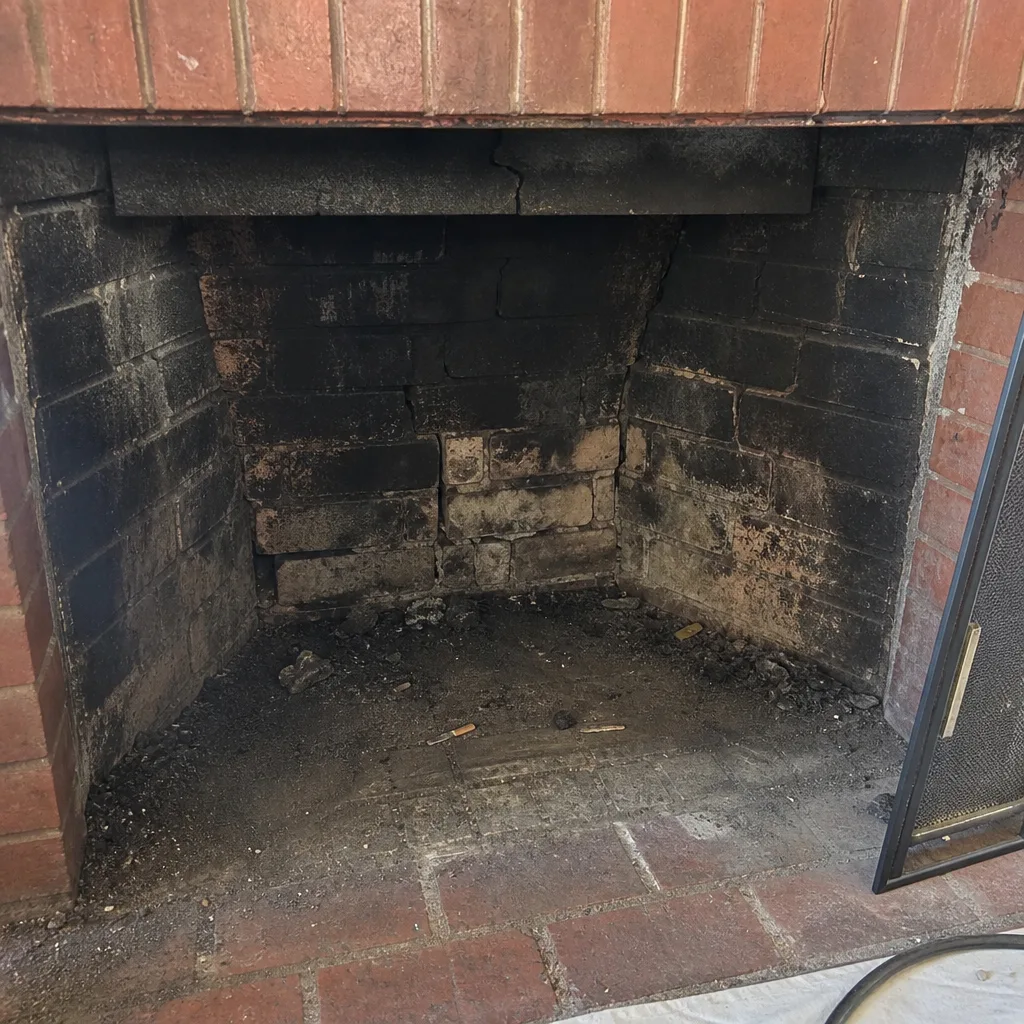 Before
 After
 Before
 After
When to Call a Professional
Call a professional when any of the following is true. You just burned your last fire of the season and haven’t booked a cleaning. You have a cracked crown, a loose or missing cap, or visible damage to the exterior stack. You’re in the fall and haven’t inspected before the first fire. You’ve burned more than three cords and you’re past mid-January. You have hot-tension springs, cables, or anything structural on a garage or gate device on the property, and please do not attempt to handle those yourself; detached or high-tension springs are dangerous and a trained technician handles that work. Your fire smokes into the room, your draft weakens, or you smell creosote outside of burning. Your flue interior needs inspecting with a camera, and you’re not sure whether a liner is intact. Chimney Sweep Upper West Side offers free estimates on the Upper West Side, and our technicians have up to 10 years of experience. Call (833) 482-6118. We answer 24/7. Fast dispatch from 7am to 7pm, Sunday through Friday, closed Saturday.
Frequently Asked Questions
Spring is the right season, right after the last burn of the year. Cleaning in spring removes the winter’s creosote load before the humid summer months arrive, which is when deposits do the most damage to mortar and flue tile. A fall cleaning handles the creosote but leaves it in the flue over the summer. Call (833) 482-6118 for a spring booking, and the estimate is free.
Yes. A pre-season inspection before your first fall fire verifies the flue is clear of debris, the tile is intact, and the chimney can vent safely. Lighting a fire before inspection means the first fire is the test of whether the flue is clear, and that’s a test better run by someone with a camera than by you with a match. Call (833) 482-6118 to book a pre-season inspection; estimates are free.
At least once a year, ideally in spring, and a second time mid-season if you burn more than about three cords of wood. Yearly is the baseline, and the heavier your burn rate the more likely a mid-winter check is warranted. A sweep in spring plus an inspection before fall covers most homes. Call (833) 482-6118 to talk through your burn rate and book the right schedule.
A summer smell usually comes from creosote and moisture sitting in the flue with no airflow to carry it out. Without a fire burning, humid air condenses on the flue interior and the deposits stay active against the masonry, so the smell persists until the flue is cleaned and given a way to ventilate. The fix is a spring cleaning plus a draft cap that keeps rain out and lets vapor escape. Call (833) 482-6118 for a free estimate.
Not safely. A cracked crown lets water into the masonry below, and the crack that’s small in October grows every freeze-thaw cycle through the winter. Repairing it before the hard freezes arrive, or as early in spring as possible, is cheaper than the masonry damage the crack causes if left through a full winter. Call (833) 482-6118 and we’ll look at it with you; the estimate is free.
Yes, in the sense that prewar masonry buildings hold heat longer and the interior face of the chimney stays warmer than the exterior face, and that temperature difference drives water migration into the brick. It doesn’t necessarily mean faster cracking than a suburban house; it means the timeline is different and the freeze-thaw event that matters is the hard freeze that lands on already-wet masonry. A spring check after winter is how you catch the damage before the next season. Call (833) 482-6118 for a free estimate.
The Bottom Line
Upper West Side chimneys face four distinct seasonal stress conditions, and a single annual sweep only addresses one of them. The year-round care plan is: clean in spring to remove creosote before summer humidity, ventilate the flue in summer with a cap that lets vapor out and rain stay out, inspect before the first fire in fall, and monitor creosote through winter for heavy burners. Freeze-thaw cycling on prewar Upper West Side masonry makes the crown and the flashing the first items to fail, and the hard freeze that follows wet masonry is the expensive event. Get ahead of it with a spring booking, a pre-season inspection, and a mid-season check if you burn heavily. Our technicians have up to 10 years of experience, and we install HeatShield ceramic resurfacing, DuraFlex liner systems, Gelco, Olympia Chimney, Famco, and Copperfield products because they hold up in this climate. For a sweep, an inspection, chimney cap & crown restoration, or a full-year plan, call (833) 482-6118. We answer 24/7. Fast dispatch from 7am to 7pm, Sunday through Friday, closed Saturday.
Call (833) 482-6118 for a free estimate. We answer 24/7. Fast dispatch from 7am to 7pm, Sunday through Friday, closed Saturday. Book your spring cleaning and inspection together and get ahead of the season.
Written by the team at Chimney Sweep Upper West Side.