
Last updated November 25, 2026
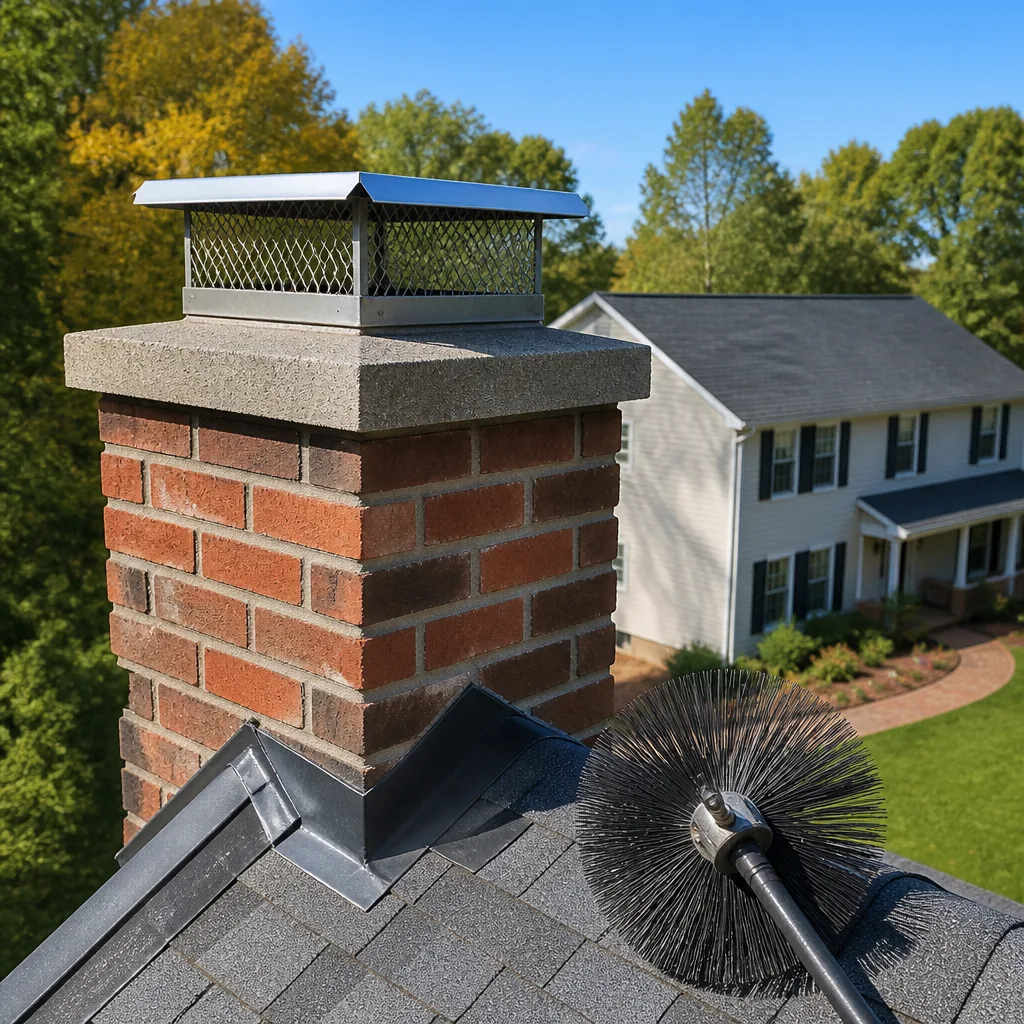 Sweep & inspection
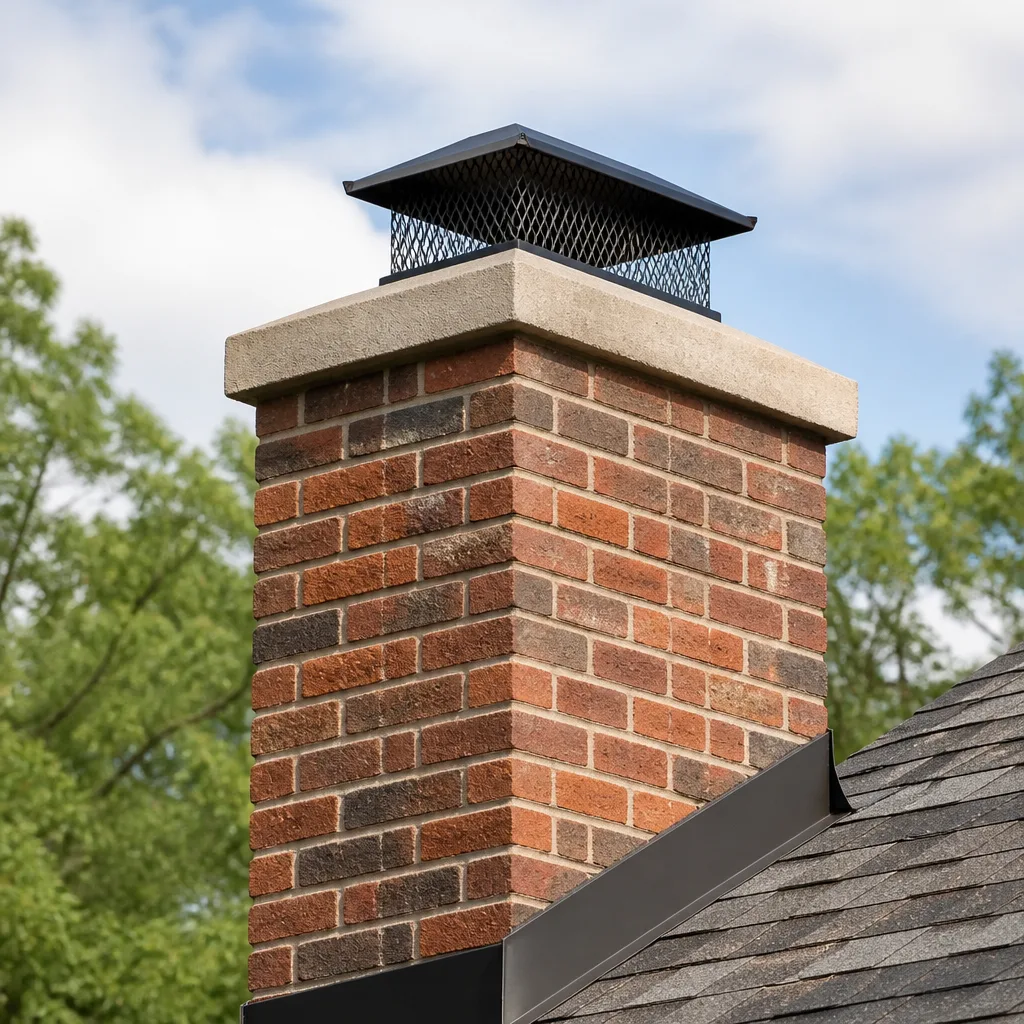 Caps & crowns
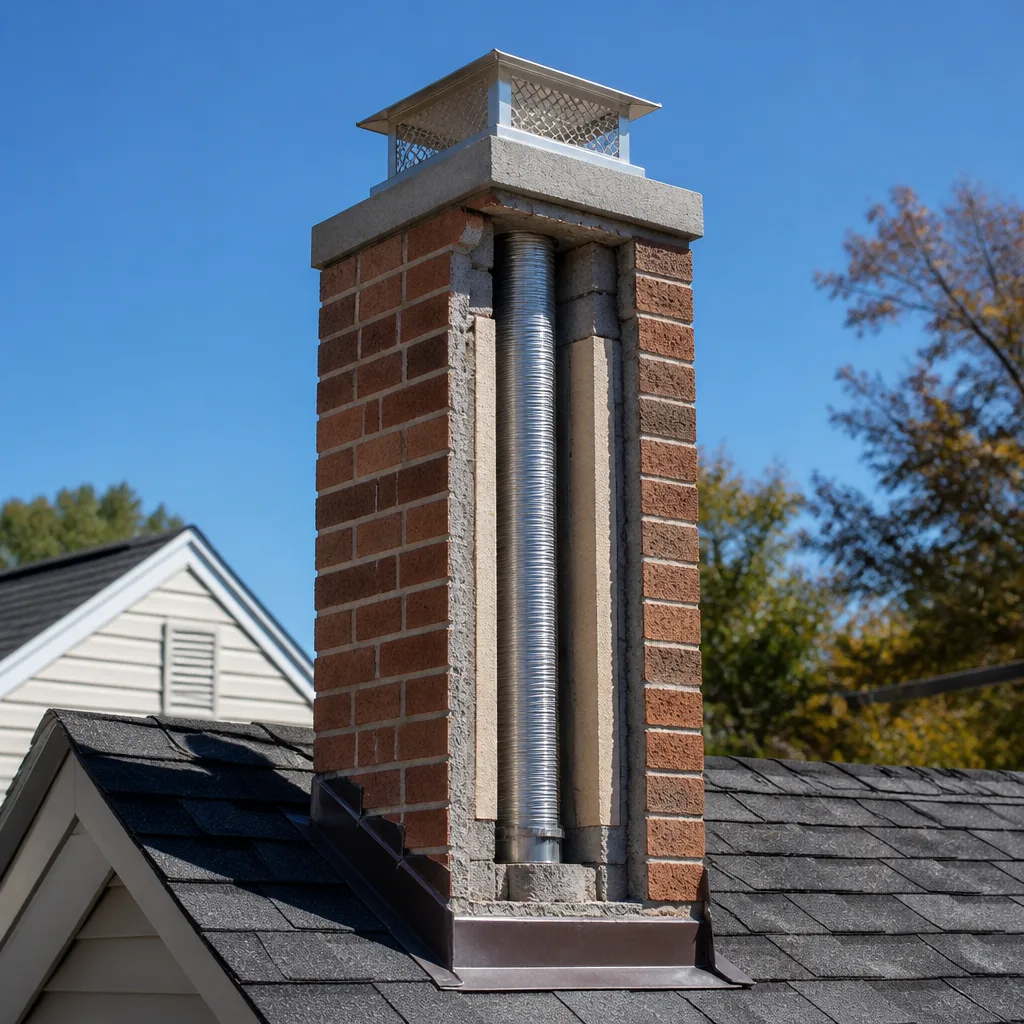 Flue relining
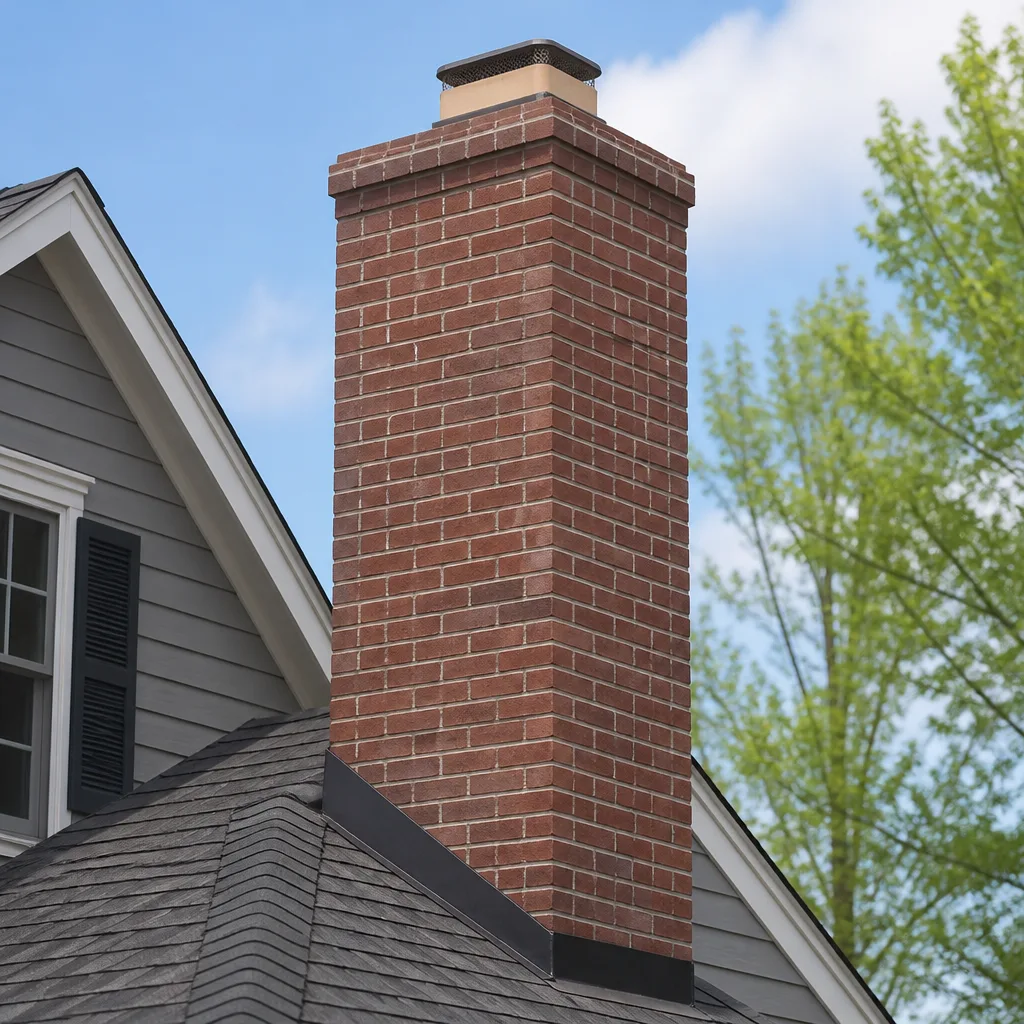 Masonry repair
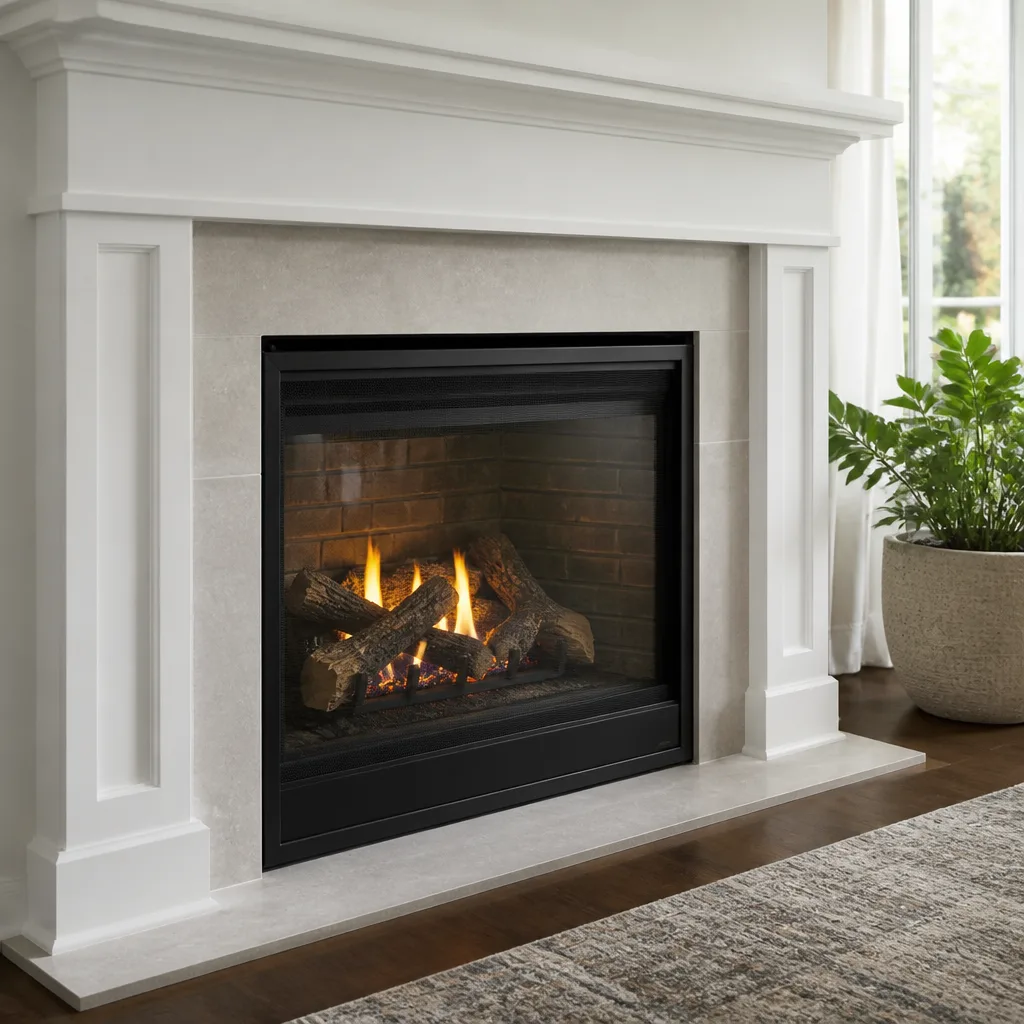 Gas fireplace service
Level 1 sweep and inspection to the NFPA 211 annual standard - flue, crown, cap, and flashing checked and photographed
Chimney sweep logs do not sweep chimneys. They loosen some creosote - which then falls where a brush and vacuum still have to collect it.
The Complete Guide to Chimney Cleaning in Upper West Side
Most fireplaces on the Upper West Side sit inside buildings that are older than the people living in them, and many of those flues were lined with terracotta tile long before gas-log inserts, high-efficiency wood stoves and oil-fired boilers entered the picture. That mismatch is the problem no one warns you about. A “standard sweep” was designed around a wood fire and a straight modern flue, and an Upper West Side chimney rarely fits either description. This guide explains what a genuinely complete cleaning looks like in this housing stock, how co-op and condo rules affect the work, which inspection level applies and when, and what a technician should hand you when the job is done.
Quick Answer
Chimney cleaning in Upper West Side means brushing and vacuuming the full flue, firebox and smoke chamber, then inspecting the flue tile, cap and crown for damage and documenting what was found. In this neighborhood that almost always includes checking a prewar terracotta flue for cracks and gaps the brush can’t see, because the cleaning is only as good as the condition report that follows it. A proper cleaning ends with evidence, not a receipt.
Styles & brands we work with
- Sweep & inspection
- Caps & crowns
- Flue relining
- Masonry repair
- Gas fireplace service
Table of Contents
- Why Prewar Terracotta Flues Change the Cleaning
- Urban Soot and Glaze Formation in Upper West Side Buildings
- Co-op and Condo Rules for Chimney Work
- The Three Levels of NFPA 211 Inspection
- What a Complete Cleaning Actually Involves
- What Your Condition Report Should Contain
- How Often to Clean and When to Book
- When Cleaning Turns into Repair
Why Prewar Terracotta Flues Change the Cleaning
Most Upper West Side apartment buildings went up with a stack of square or rectangular terracotta tiles mortared one on top of another inside a masonry chase. Each tile joint is a weak point. When the chimney was built, the fire burned wood or coal, the flue stayed warm, and the tile was matched to the appliance. Today that same flue may serve a gas-log insert that produces cooler, wetter exhaust, a wood-burning insert that pushes far more heat up the stack than the original fireplace did, or a boiler burning oil in the basement. The tile doesn’t know any of that has changed.
Terracotta is not flexible the way a listed stainless liner is. Changes in temperature make masonry and tile move at different rates, and over decades that movement opens hairline cracks at the joints and along the tile faces. Once a tile cracks, combustion gases can leave the flue and enter the building’s structure instead of the outside air. A brush that scrubs the inside face of the tile does not fix a crack, and it can catch on a broken tile edge and cause more damage. That’s why a cleaning in an Upper West Side prewar has to be paired with a visual assessment of the flue interior, often with a camera, before anyone declares the chimney safe to burn.
When we find cracked or spalled tile, we use HeatShield ceramic resurfacing to restore a sound, smooth flue surface without a full chimney rebuild. HeatShield is a castable refractory product that bonds to the existing tile and fills the joint gaps, which extends the useful life of the flue and gives the appliance a surface that won’t snag creosote. If the flue is offset or too tight for a rigid liner, a DuraFlex flexible liner can usually be installed because the system is designed to negotiate those bends. Either way, the cleaning and the condition assessment work together: you can’t decide whether a flue needs resurfacing until you know what the tile looks like, and you can’t trust what the tile looks like until it’s been cleaned.
Urban Soot and Glaze Formation in Upper West Side Buildings
Wood smoke makes creosote. Soot from oil-fired boilers, gas appliances and the general particulate load of a dense Manhattan block adds to it, and the mixture behaves differently from what you’d see in a house with nothing but a fireplace. The soot binds with condensed creosote to form a dense, dark coating that sets up harder than wood-only deposits. In some flues, that coating moves toward glaze: a shiny, glassy layer that fuses to the tile surface and won’t come off with a standard poly brush at all.
Glazed creosote is the one you need to worry about, because it’s the layer most likely to ignite and the layer a normal cleaning will skate right over. If the technician reports glaze and then hands you a bill as if the job were finished, ask questions. Glaze needs to be broken down with a chemical treatment before the brush will touch it, often across more than one visit. On a flue that has been seeing oil exhaust mixed with occasional wood fires, the glaze can form higher up in the stack than the homeowner expects.
Here’s what that means in practice on the Upper West Side:
- Gas-log inserts and unvented appliances in a prewar fireplace can produce higher moisture along with the soot, which makes deposits set harder.
- Boiler flues tied to oil appliances collect a different soot than wood flues, and they need their own cleaning schedule and inspection criteria.
- Shared or oddly routed flues in older construction can have cold spots where creosote condenses thicker than in a straight modern stack.
- Any appliance that’s been sealed or replaced with a modern unit may now be dumping exhaust into a flue sized for something very different.
A thorough cleaning in a building with mixed fuel types means the technician identifies what each flue is actually serving before deciding how to clean it. That’s the difference between a sweep and a diagnosis.
Co-op and Condo Rules for Chimney Work
One of the first questions we hear on the Upper West Side is “whose chimney is this?” In a co-op, your fireplace may be connected to a flue that is part of the building’s structure, owned by the corporation and maintained by the board, or it may be a proprietary flue assigned to your unit. The answer depends on the building’s offering plan, its proprietary lease and its house rules, and it can vary from one block to the next.
Before any work is scheduled, it helps to know the following:
- Who authorizes access to the roof or mechanical space above the flue. In most buildings that’s the managing agent or super, not the individual shareholder.
- Whether the board requires a certificate of insurance or a specific vendor form from anyone working in the building.
- Whether a prior inspection letter, condition report or permit is on file for your fireplace.
- Whether the appliance service and the flue service are handled together or separately, since some buildings split responsibility between them.
Management companies and boards also tend to require documentation. Think of the condition report as the document that answers the building’s questions: it shows what was found, what was cleaned and what still needs attention. We hand that report over to the homeowner so the board, the managing agent or the next property manager has a record. In an Upper West Side co-op with a shared stack, that paper trail matters as much as the sweep itself.
If you’re not sure who owns your flue, don’t guess. Loop in your managing agent early and get the building’s requirements in writing. It saves a return visit and a difficult conversation later.
The Three Levels of NFPA 211 Inspection
NFPA 211, the standard that covers chimneys and venting, sets out three levels of inspection, and which one you need depends on why you’re calling. This isn’t trivia; it defines what the technician will look at and what the report will say. Here’s how they break down.
Level 1 Inspection
A Level 1 inspection is the standard check that goes with an annual cleaning. The technician looks at the readily accessible parts of the chimney and venting system, the firebox, the damper and the appliance connection, and confirms nothing obvious has changed. If you burn the same fuel, the appliance hasn’t changed and there’s no prior damage, Level 1 is usually the right scope.
Level 2 Inspection
Level 2 is what applies after a cleaning turns up something concerning, when an appliance changes, when there’s been a chimney fire or a building event, or during a real estate transaction. It includes everything in Level 1 plus accessible portions of the attic and other spaces, and the technician uses a camera to inspect the interior of the flue. This is the level where cracked tile, offset joints and gaps in a liner actually show up on screen. On Upper West Side prewar stock, Level 2 is the inspection that answers the real question.
Level 3 Inspection
Level 3 is the most involved and is used when a Level 2 inspection finds a problem in an area that isn’t accessible without removing part of the building. Think of it as the inspection that goes to the place a camera couldn’t see. It’s reserved for specific concerns, not routine cleaning.
Which level applies matters for a simple reason: a cleaning by itself doesn’t tell you the condition of the flue. If your building is older, if a gas-log insert was installed at some point, or if the last inspection is a distant memory, the cleaning should be paired with at least a Level 2 assessment once, so you have a baseline. A good technician will tell you which level applies to your situation before the visit, not after.
What a Complete Cleaning Actually Involves
“Sweep” is a small word for a job that involves several distinct steps. A complete cleaning on the Upper West Side runs through the following, usually in this order:
- Set up protection. Drop cloths, floor protection and a high-efficiency vacuum with the hose sealed into the firebox so dust stays contained.
- Inspect the firebox, damper and smoke chamber before brushing. The smoke chamber above the damper is a common place for deposits to hide, and it often needs its own tool, not the flue brush.
- Clean the firebox and smoke chamber, then work up the flue with the appropriate brush for the flue material. Terracotta gets a softer hand than a steel liner.
- Vacuum the full run and confirm the flue is clear from the top. That means a look from the roof or the top of the stack as well as from below.
- Check the cap and crown. A missing or damaged cap lets water and animals in, and a cracked crown is one of the most common reasons a chimney deteriorates in this climate. Both are part of what we do under chimney cap & crown.
- Document the condition of the flue, firebox, damper and crown, and note anything that needs follow-up.
Notice what’s not on that list: the brush going in before anyone looks. In our experience, the inspection angle comes first, because what you find determines how you clean. If the flue is glazed, the brush alone won’t do it. If a tile is broken, brushing can make things worse. A complete cleaning is a sequence, not a single motion.
You’ll also want to ask who is doing the work. Every part of the job on that list is handled by the same specialist, which means the person who finds a crack can also quote the repair and, if a reline or resurfacing is needed, carry it out with materials like Gelco or Olympia Chimney components rather than handing you a phone number for someone else.
What Your Condition Report Should Contain
At the end of the visit, you should be handed more than a receipt. A proper chimney cleaning on an Upper West Side building comes with a documented condition report, and it should answer these questions in plain terms:
- What was cleaned, and from where: firebox, smoke chamber, flue and cap.
- What the flue interior looks like, described or shown with photos or camera footage, including any cracks, gaps or heavy deposits.
- The condition of the damper, the firebox masonry and the crown and cap.
- Whether the deposits found were ordinary soot, creosote or glaze, and how much.
- What, if anything, needs attention, and whether it is safe to burn before that work is done.
- What can wait, and how long the timber is good for, so no one feels pressured into a decision on the spot.
That last point matters to us. A condition report is not a sales document, and it should never be a reason to upgrade something that doesn’t need it. If the flue is sound and the cleaning is done, the report says so. If a crack in a tile means combustion gases are getting into the structure, the report says that too, with the evidence to back it up, so the homeowner can see it for themselves and make an informed decision.
If the technician recommends a reline, ask why. In a prewar flue, the answer is usually a cracked or spalled tile that a brush can’t fix. When a full rebuild is unnecessary, a flexible system such as DuraFlex can reline a flue that a rigid liner couldn’t negotiate, and HeatShield resurfacing can restore a flue surface that’s still structurally sound. The point is to match the fix to the actual problem in the report, not to sell the biggest job possible. That’s what chimney repair looks like when it’s done honestly.
How Often to Clean and When to Book
The standard advice is to have your chimney cleaned and inspected once a year, and to book it before the burning season starts. For a household that burns wood in the fireplace through the colder months, an annual cleaning keeps deposits from building to a point where they’re difficult or risky to remove. A fireplace used only occasionally may not need a full sweep every year, but it still benefits from a yearly look, because cracks and water damage don’t care whether you had a fire last winter.
Upper West Side buildings add a couple of wrinkles to the schedule. Many apartments share a flue with other units, which means the deposits can build faster than the number of fires in your own fireplace would suggest. Attached buildings and dense stacks also mean a slow leak at the crown or a loose cap can go unnoticed longer than it would in a detached house. And if a gas-log insert has sat in a fireplace unused for a while, the flue and the appliance should be checked before the first fire, not after.
Booking early in the fall helps for a practical reason: schedules fill as the season approaches. If you’re planning the yearly cleaning, do it before the first cold stretch, and if you know a damaged crown or a loose cap needs fixing, book the cleaning and the cap work together so the same visit covers both. That’s the advantage of having all of it under one specialist.
When Cleaning Turns into Repair
Some visits end with a clean chimney and nothing else needed. Others find a problem, and knowing what those problems usually are helps you understand the report when it comes.
A cracked crown is the most common finding in this housing stock. The crown is the concrete or mortar cap at the top of the chimney that sheds water away from the stack. When it cracks, water gets in, freezes, expands, and widens the crack through the winter. Over time it damages the masonry below and can reach the flue. Cap and crown work fixes the source of the problem, and combining it with a repair visit addresses both the damage and its cause at once, which is why we pair those services rather than treat them as separate jobs.
Damaged tile is the second. If the flue tile is spalled or the joints have opened, combustion gases can escape. A stainless reline or a HeatShield ceramic resurfacing restores the flue depending on what the tile looks like. A full demolition is rarely necessary when the tile is still sound enough to accept a coating.
A failing damper or damaged firebox masonry is the third. These are the parts of a chimney repair that keep the fireplace safe and controllable, and they’re often spotted during the same inspection that started as a routine cleaning. If a repair is needed, the technician should be able to explain what it does, how long the fix lasts and whether the chimney is safe to use until it’s done.
The theme across all three is diagnosis before repair. The cleaning and the camera inspection are what make the repair decision possible, and the report is what makes it honest.
Common Mistakes to Avoid
- Assuming a sweep covers everything. A brush and a vacuum leave the flue clear but tell you nothing about the tile’s condition. In an Upper West Side prewar, the cleaning and the inspection are two separate steps and both need to happen.
- Booking without checking who owns the flue. In a co-op, the board or managing agent may control access and require documentation. Booking first and asking later is how a visit turns into a reschedule.
- Treating glaze as ordinary soot. If the technician reports shiny, glassy deposits and then says the job is done, push back. Glaze won’t come off with a standard brush and can need a chemical treatment first.
- Accepting a receipt instead of a report. A one-line invoice does not tell you what the flue looks like. Ask for the condition report, with photos or camera footage, before you pay.
- Ignoring the crown until the masonry looks stained. The crown is the first line of defense against water damage, and a crack in it can silently damage the stack for several seasons before it’s visible from below. Check it as part of the annual cleaning.
- Choosing a handyman for a specialty job. A generalist with a brush is not the same as a chimney specialist who can diagnose a cracked tile and repair it. If a problem is found, you want the person who found it to be able to quote the fix.
- Waiting until the first fire of the season. Booking early in the fall gives you time to address a problem found in the cleaning before you need the fireplace. A rush at the last minute rarely works in your favor.
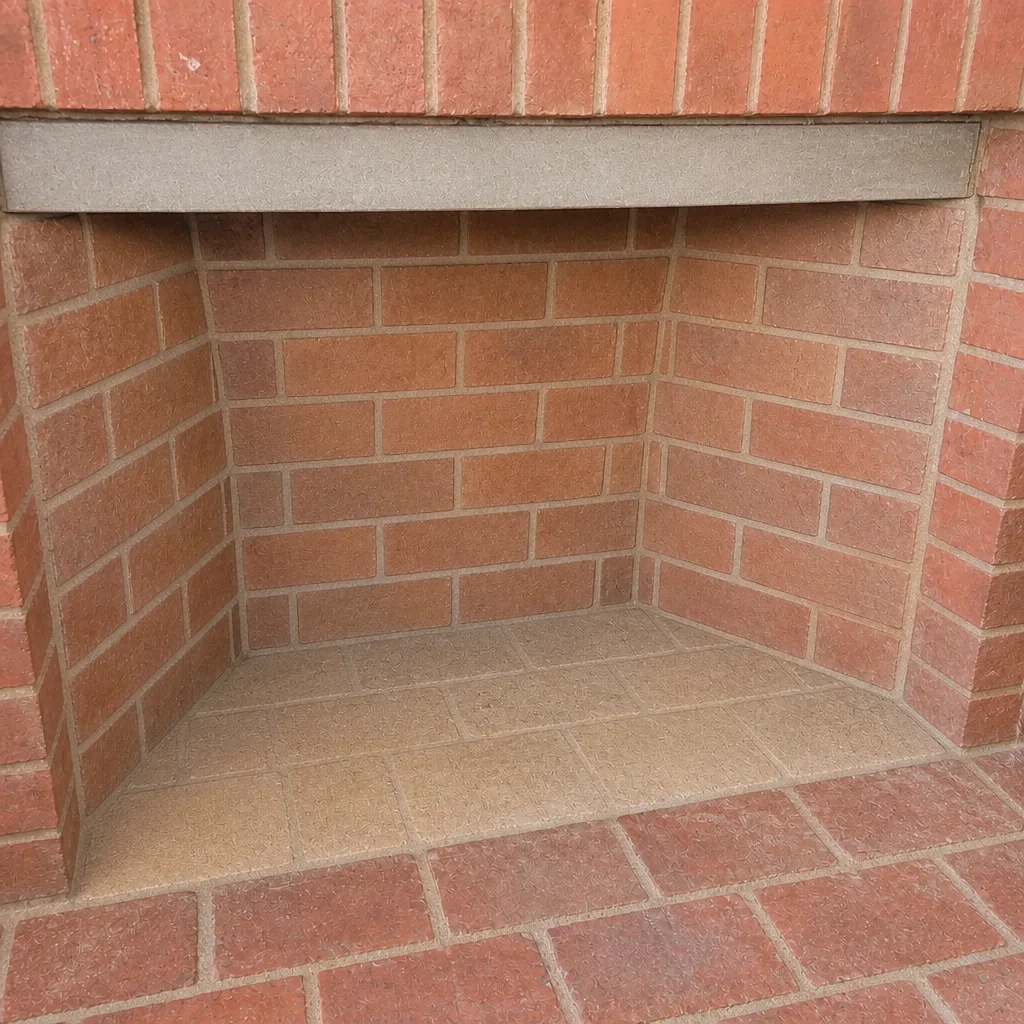
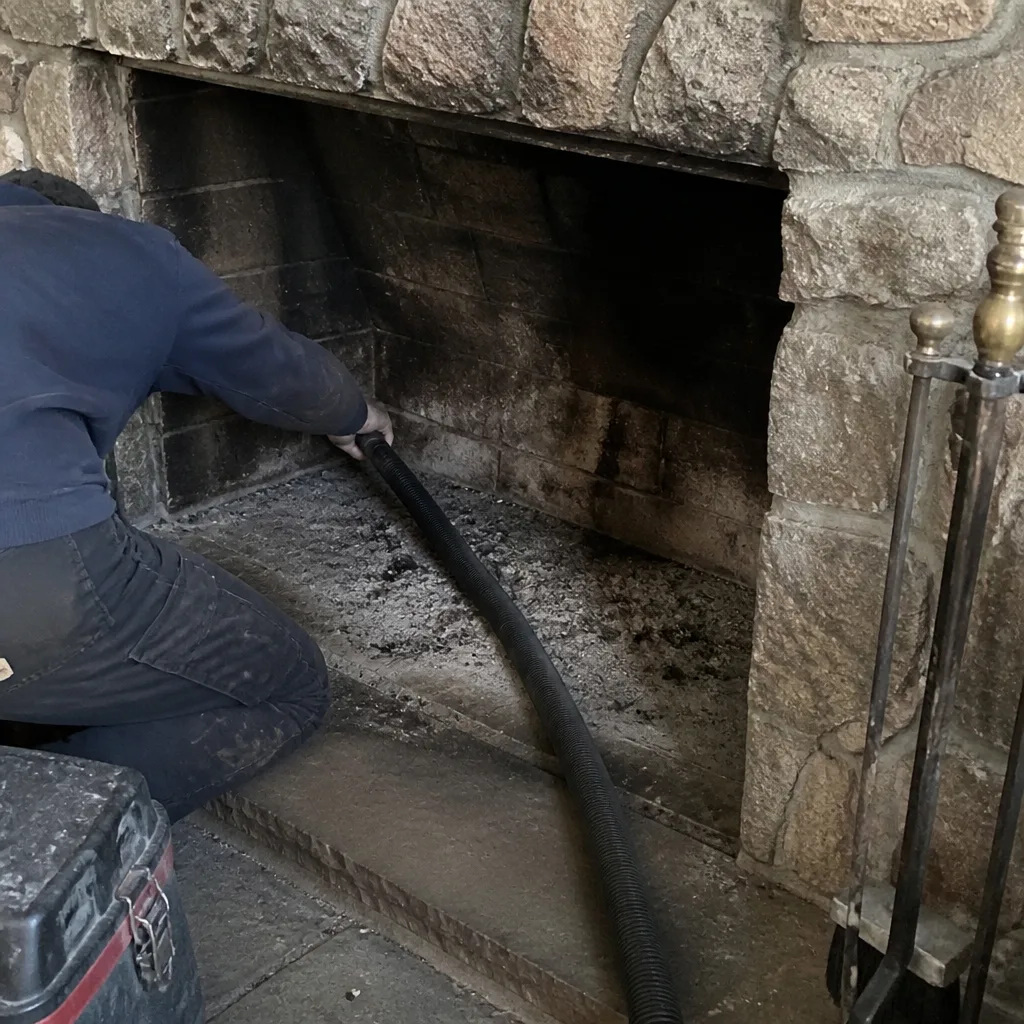
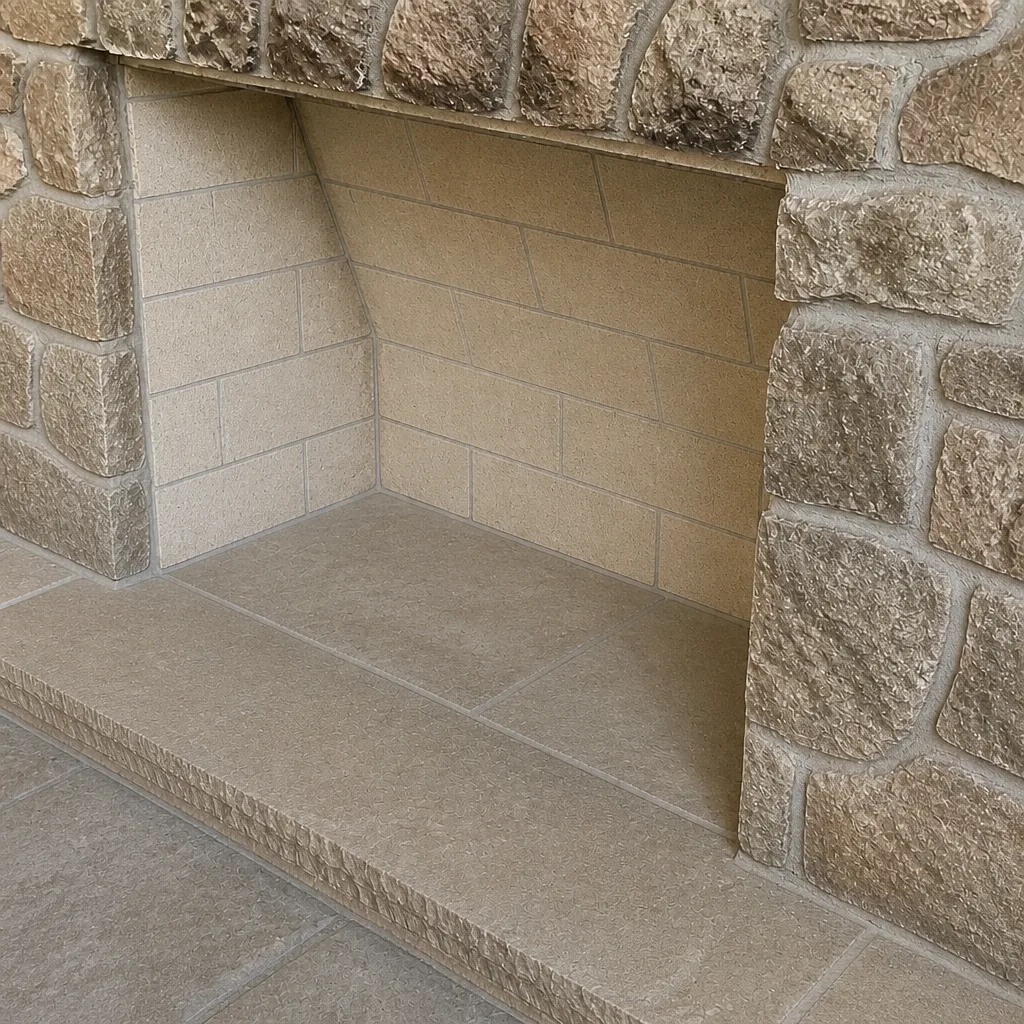
See the difference
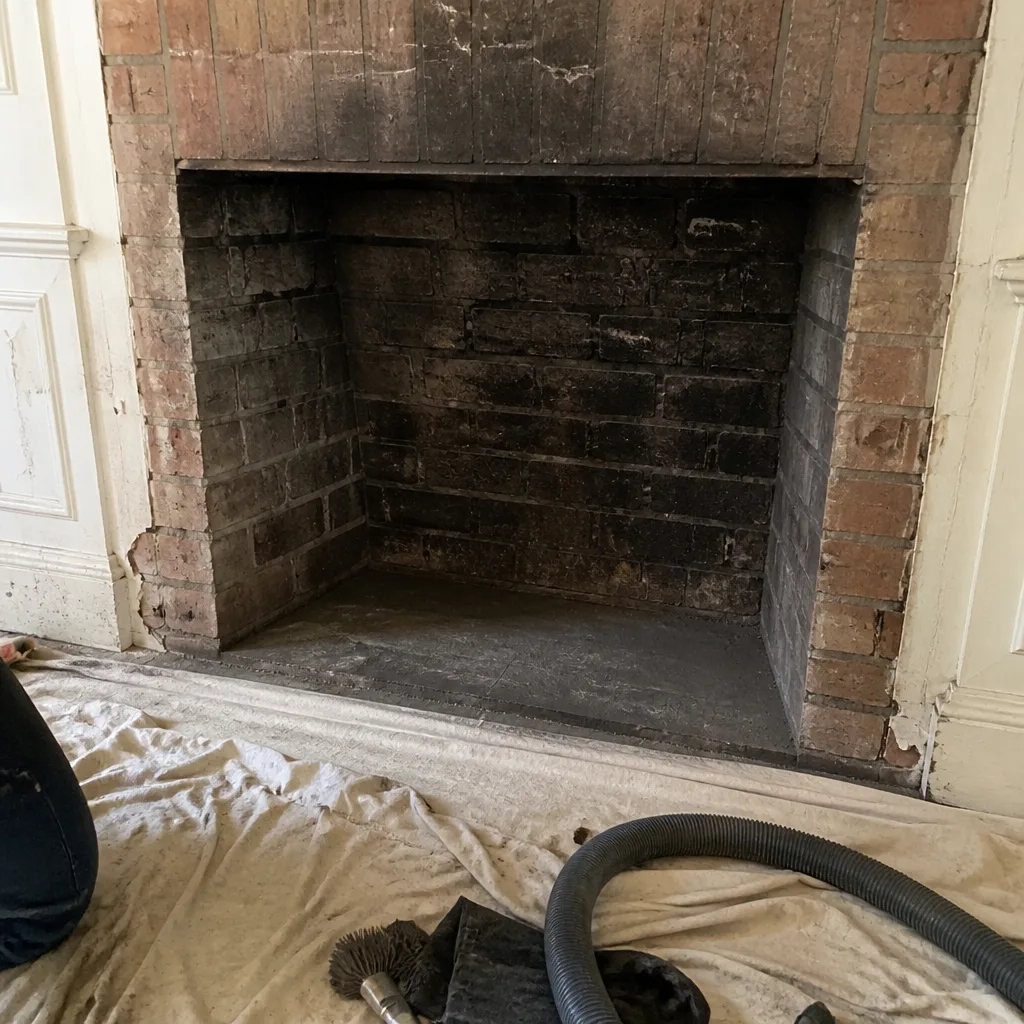 Before
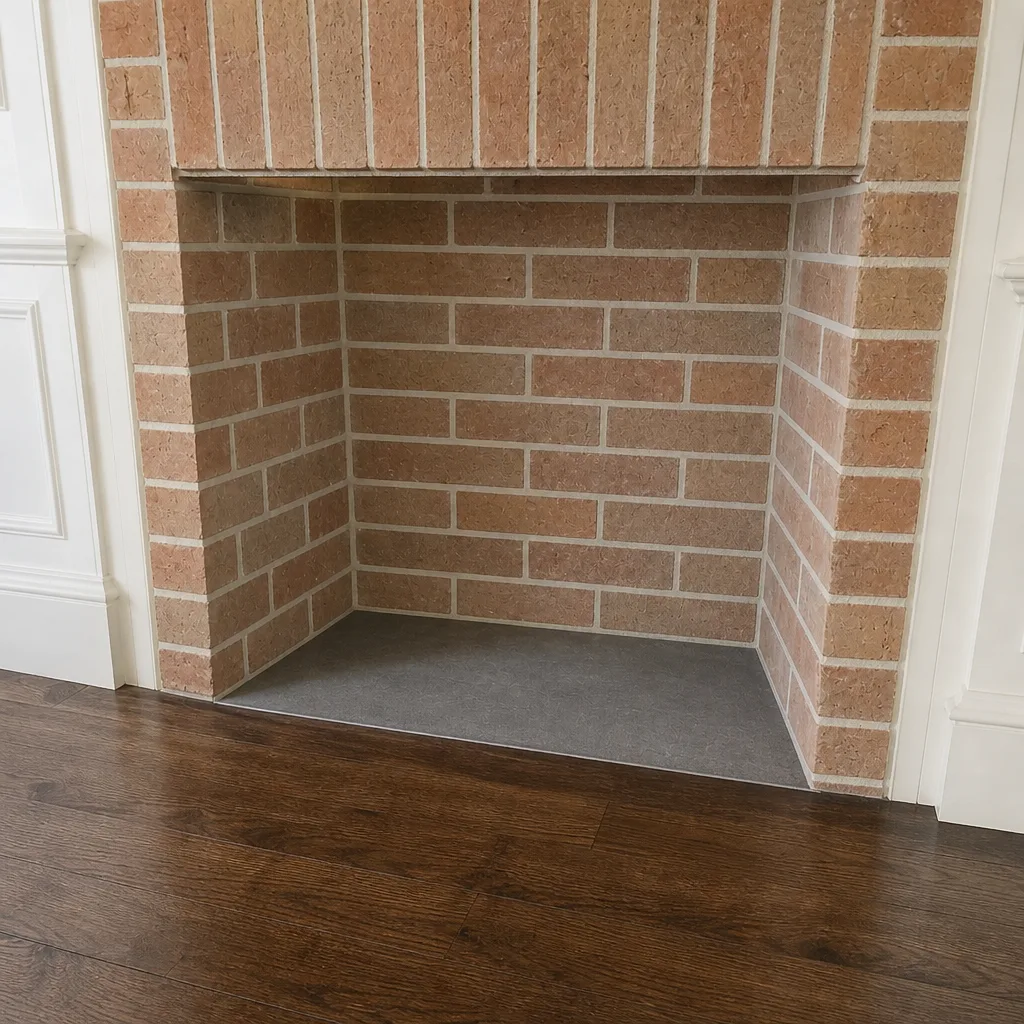 After
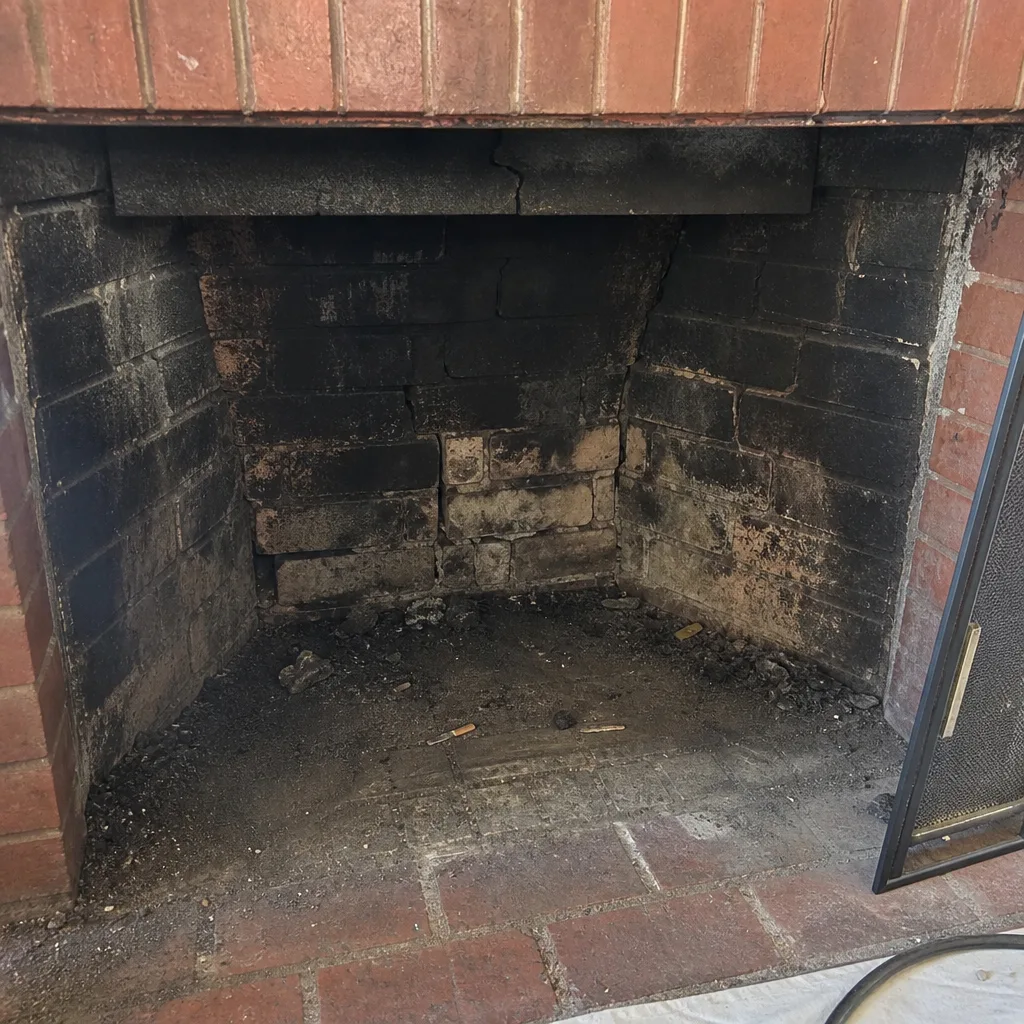 Before
 After
 Before
 After
When to Call a Professional
Some jobs you can handle with a flashlight and a strong nose. Others you can’t. Call a professional if you notice a strong creosote smell even when the fireplace is cold, if there’s visible smoke backing into the room, if a downdraft happens repeatedly, if you see water stains or a cracked crown at the top of the stack, or if you’ve never had the flue inspected in an Upper West Side prewar and don’t know its history. Also call if a co-op or condo board has flagged the chimney, if you’re buying a unit with a fireplace and need a Level 2 inspection, or if a gas-log insert was added at any point and you’re not sure the flue is sized for it. Any of those reasons is enough. Our technicians have up to 10 years of experience, and we can look, tell you what we see and hand you the report. Chimney Sweep Upper West Side offers free estimates in Upper West Side; call (833) 482-6118.
Frequently Asked Questions
A standard cleaning is a per-job price set by a written estimate after the technician has seen the chimney, and the estimate is free. Upper West Side prices vary with the age and type of flue, whether the job is in a prewar terracotta stack or a newer liner, and whether cap and crown work is included. The written estimate sets the final price, so you know what you’re paying before anyone starts. Call (833) 482-6118 for an exact quote. We answer 24/7. Fast dispatch from 7am to 7pm, Sunday through Friday.
Once a year is the standard, and in a building with shared flues or heavy use it’s worth having it looked at on that annual schedule even if it isn’t a full sweep every time. Cracks, water damage and a failing crown don’t wait for a fire to happen, so the yearly visit is as much about the inspection as the cleaning. Book before the burning season starts to leave time for any repair. Call (833) 482-6118 for an estimate.
Because a brush can’t see a cracked tile or an open joint, and those are the faults that let combustion gases leave the flue. A Level 2 inspection with a camera shows the interior condition of the flue, which is the only way to know whether the chimney is genuinely safe to burn. In a building of this age, that baseline is worth having once even if the sweep itself is routine. Call (833) 482-6118 for an estimate.
Often yes, at least for roof access or work in shared mechanical space, because the flue may belong to the building rather than the unit. Check with your managing agent or board before booking and ask what documentation they require; the condition report from the visit usually answers those questions. Getting the building’s requirements in writing first saves a return trip.
A sweep removes the soot and creosote; an inspection assesses the condition of the flue, firebox, damper, cap and crown. They’re related but not the same, and on an older Upper West Side chimney you want both, because a clean flue can still be unsafe if the tile behind the soot is cracked. The inspection is what turns a cleaning into a real condition report. Call (833) 482-6118 for an estimate.
Yes. Gas and oil appliance flues collect their own kind of soot and need their own cleaning criteria, and DuraFlex liners are rated for all fuel types, including wood, gas and oil. The technician checks what each flue is serving before deciding how to clean it, because a mixed-fuel building has more than one set of needs. Call (833) 482-6118 for an estimate.
The Bottom Line
Chimney cleaning in an Upper West Side prewar isn’t the same job it is in a newer building. The terracotta flue, the mixed soot from gas and oil appliances, the co-op ownership rules and the need for a documented condition report all shape what a complete cleaning involves. Get the cleaning done before the burning season, ask for the camera inspection and the condition report, and treat every recommendation as something you should be able to see for yourself. If a problem turns up, we can handle the sweep, the cap and crown, the repair and, when needed, a HeatShield resurfacing or a DuraFlex reline, all with the same specialist. Call (833) 482-6118 for a free estimate, and take a look at what a chimney sweep involves before you book. We answer 24/7. Fast dispatch from 7am to 7pm, Sunday through Friday. For the full picture of our services, start at Chimney Sweep Upper West Side.
Written by the team at Chimney Sweep Upper West Side.