
Last updated November 25, 2026
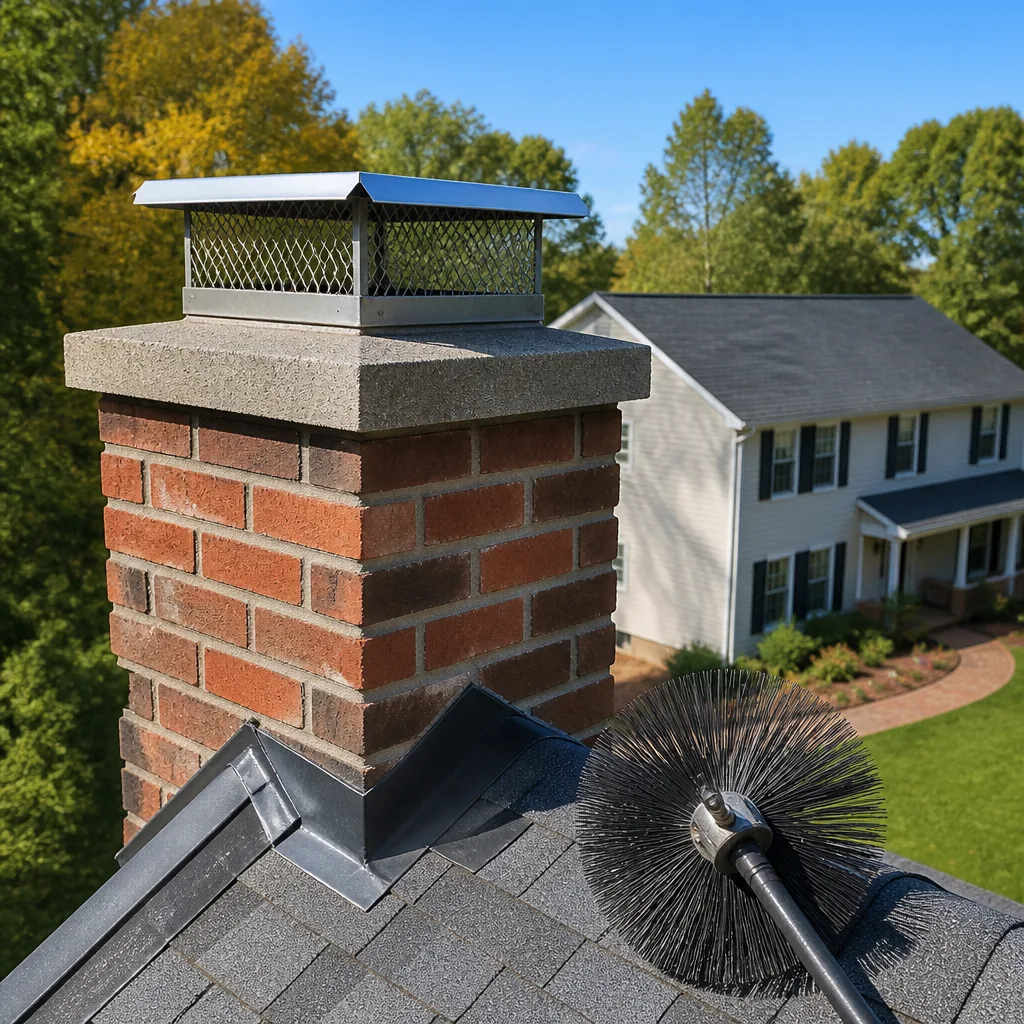 Sweep & inspection
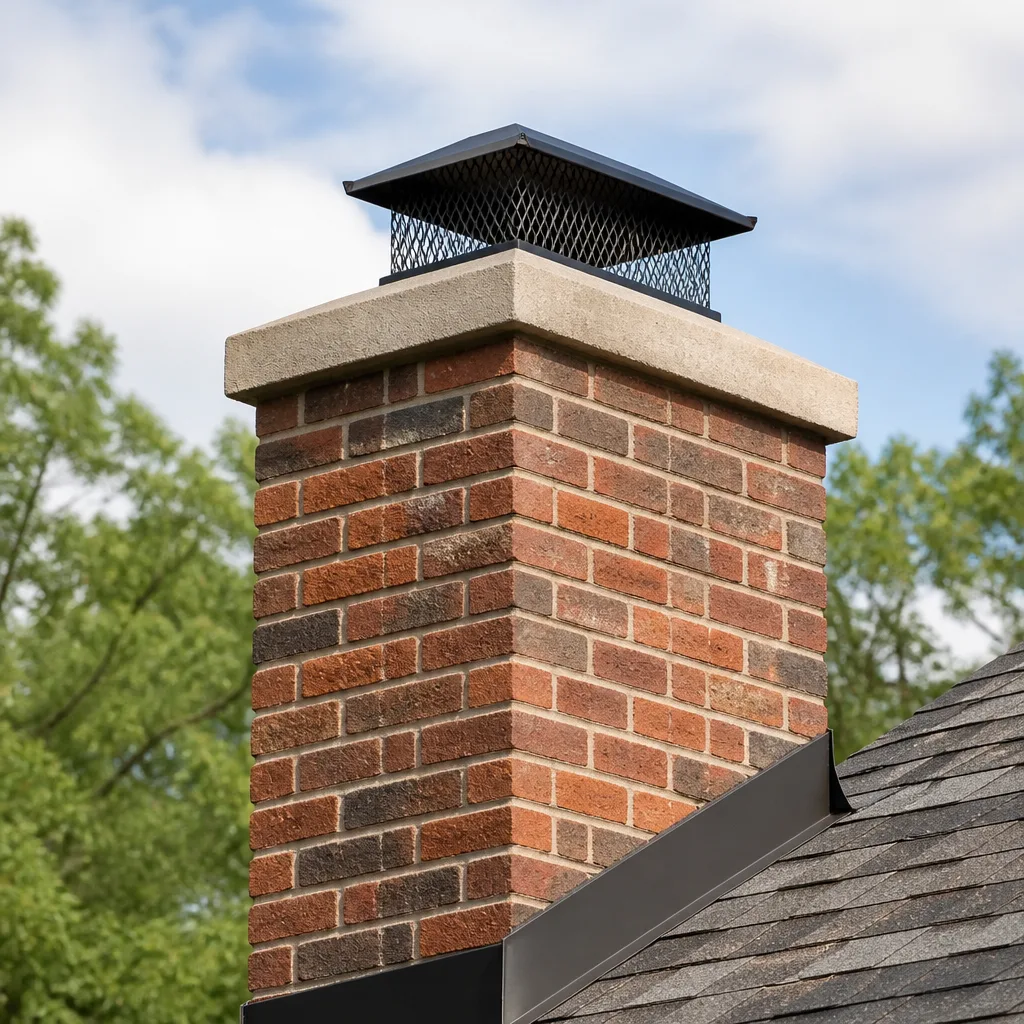 Caps & crowns
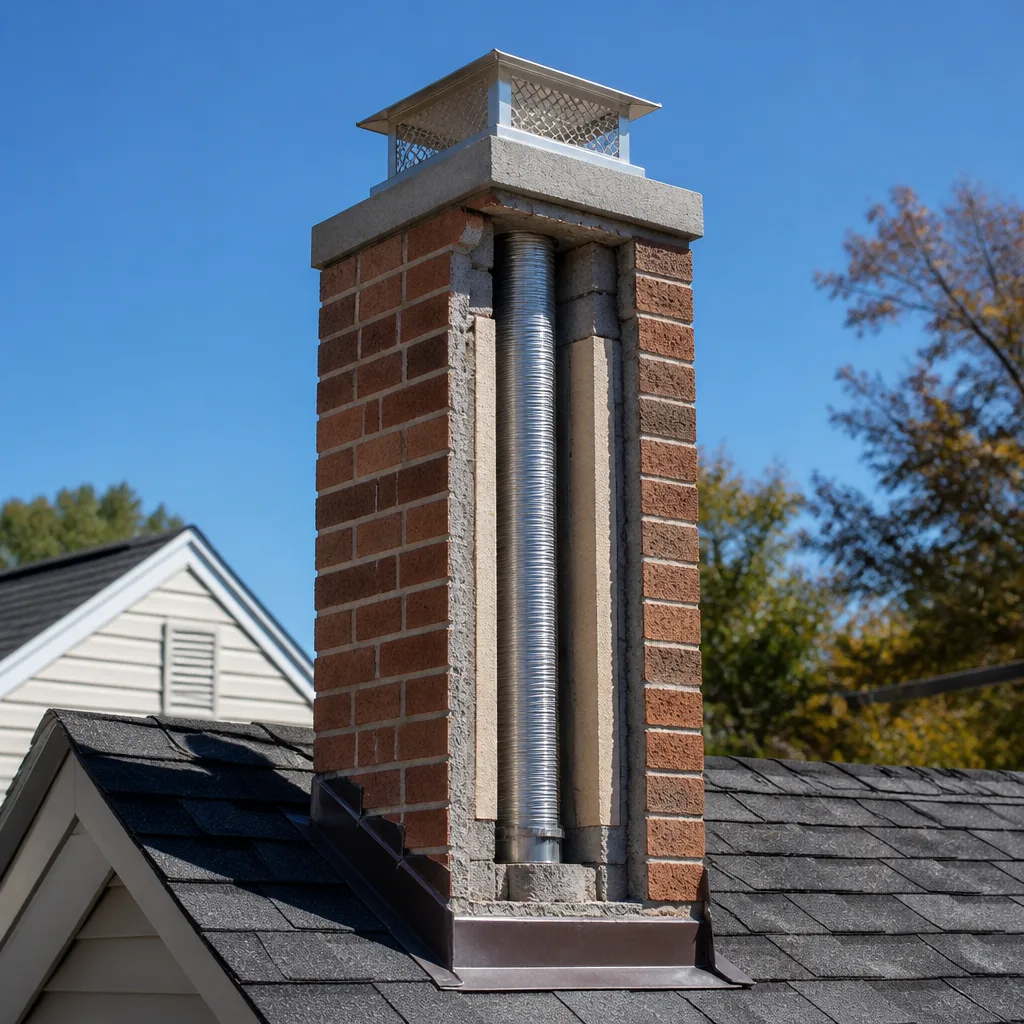 Flue relining
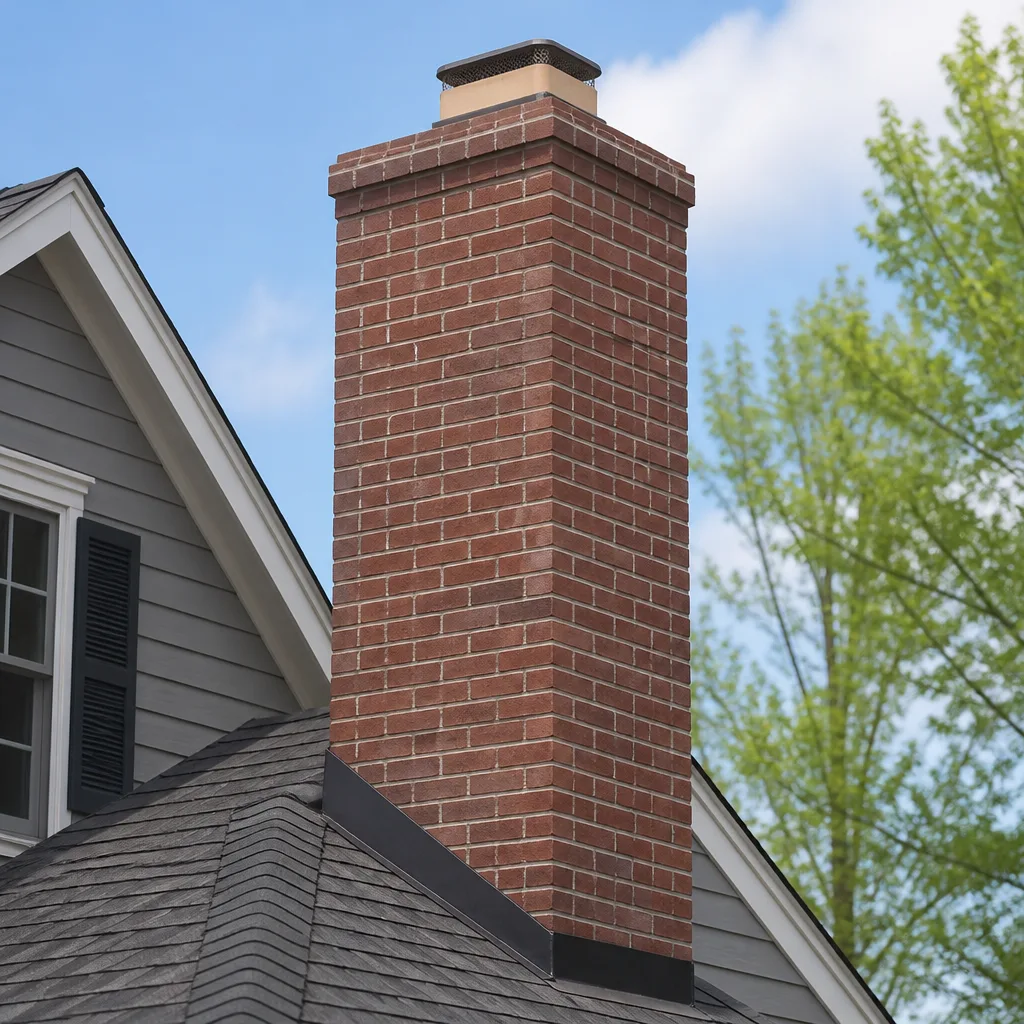 Masonry repair
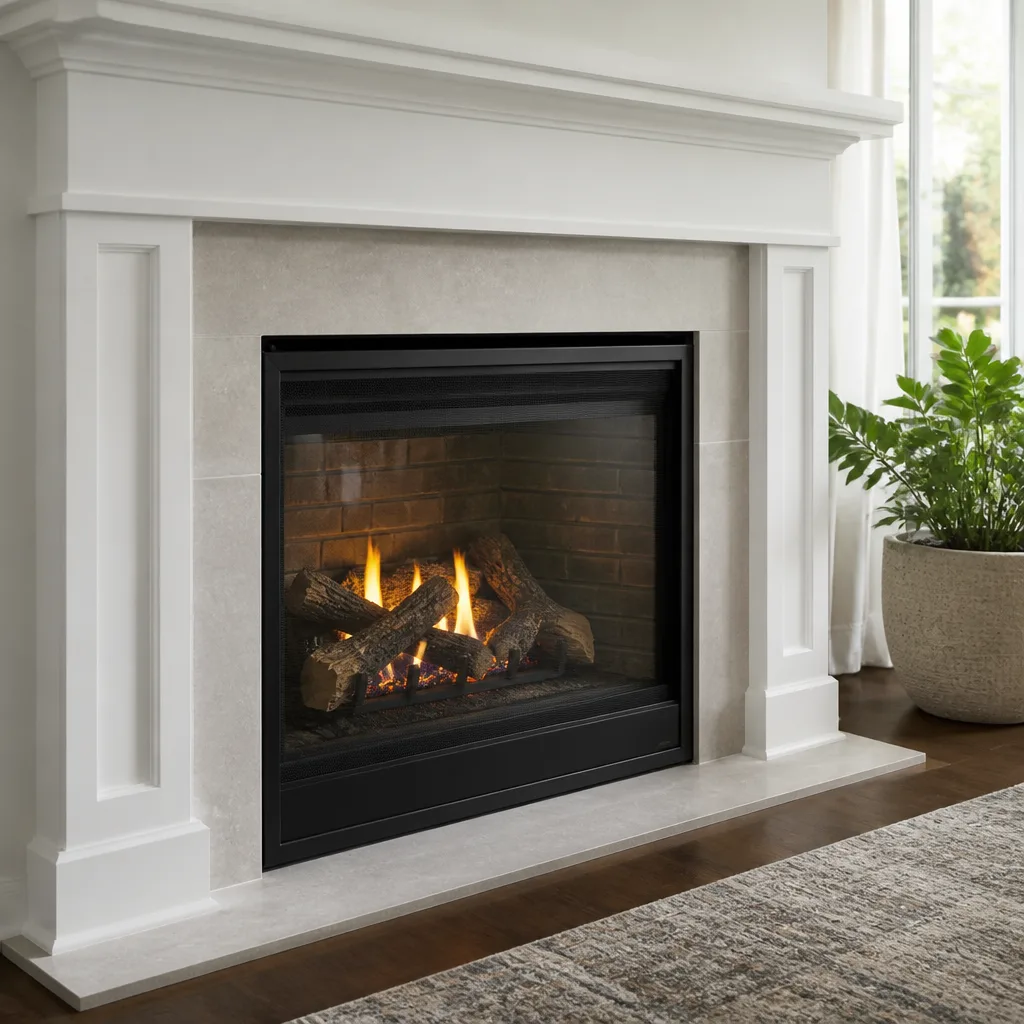 Gas fireplace service
Level 1 sweep and inspection to the NFPA 211 annual standard - flue, crown, cap, and flashing checked and photographed
Chimney sweep logs do not sweep chimneys. They loosen some creosote - which then falls where a brush and vacuum still have to collect it.
Chimney Sweep Maintenance Checklist for Upper West Side Homeowners
The item most homeowners skip is also the one that matters most: the smoke chamber. It sits above the damper, out of sight, and it’s where prewar New York masonry tends to deteriorate first, quietly, years before anyone notices a problem from the living room. You can’t inspect it from the hearth with a flashlight, and that’s exactly why it gets ignored. This guide gives Upper West Side homeowners a task-by-task checklist organized around two questions: who does each job, and when. Some checks are yours, done safely from the firebox or the window. Others need a trained technician and the right tools. Knowing which is which keeps your chimney safe to burn and keeps small issues from turning into structural repairs.
Quick Answer
A chimney maintenance checklist for an Upper West Side home has three tiers: visual checks you can do yourself from inside the firebox and from a window, a professional sweep and inspection once a year before heating season starts, and a written maintenance log that satisfies co-op or condo management. Schedule the professional visit in late September, not spring. It’s timed to the burn season ahead rather than the one that just ended, so you start the winter with a clean, inspected flue.
Styles & brands we work with
- Sweep & inspection
- Caps & crowns
- Flue relining
- Masonry repair
- Gas fireplace service
Table of Contents
- Why a Prewar Upper West Side Chimney Needs Its Own Checklist
- Interior Checks You Can Do Safely From the Firebox
- Roofline Checks From a Window or Terrace (Without Going on the Roof)
- Timing the Annual Sweep to NYC’s Real Heating Season
- Building a Maintenance Log Your Co-op Board Will Accept
- Red Flags That Turn a Maintenance Visit Into a Repair Visit
- What the Professional Visit Actually Covers
- Common Mistakes to Avoid
Why a Prewar Upper West Side Chimney Needs Its Own Checklist
Most chimney maintenance checklists are written for suburban houses: a single flue, easy roof access, a ladder in the garage. An Upper West Side brownstone or prewar co-op is a different animal. The chimney stack often serves multiple flues, shares walls with neighboring units, and passes through a century of masonry that has been through freeze-thaw cycles, roof replacements and, in many buildings, decades of deferred maintenance before your unit ever changed hands.
That history shapes what you should be watching. In prewar construction, the smoke chamber above the damper is typically corbelled brick, stepped inward like an inverted funnel. Those corbels collect creosote and, over time, the mortar between them erodes. A smooth, properly parged smoke chamber drafts better and is far easier to sweep clean. An unparged one holds soot and hides deterioration until it’s advanced. This is the check that generic checklists leave out, and it’s the one we look at first on Upper West Side jobs.
There’s a place factor too. Upper West Side rooftops are crowded. Water tanks, bulkheads, HVAC equipment and neighboring buildings all shed water and debris onto chimneys that were never designed for it. Roofline access is often restricted, which means the visual checks you can do from a window or terrace carry more weight here than they would on a detached house.
None of this is cause for alarm. It’s a reason to follow a checklist built for the building type you actually live in. A Chimney Sweep Upper West Side visit is the anchor of that checklist, but the homeowner-side checks around it are what keep a small issue from becoming a structural one.
Interior Checks You Can Do Safely From the Firebox
You can learn a lot without touching a ladder. These are the checks a homeowner can do safely, with a flashlight, a cold firebox, and no climbing. Do them before you call anyone, so you can describe what you’re seeing. It makes the professional visit faster and your questions sharper.
Wait until the firebox is completely cold. Then work through these:
- Look up at the firebox walls. Spalling brick shows as flaking, pitting or a chalky surface where the face of the brick has broken away. Isolated flakes on an old firebox are common; widespread spalling or exposed crumbly mortar is a sign the firebox needs attention.
- Check the mortar joints. Run your eye along the joints between firebox bricks. Recessed, sandy or missing mortar means the joints are washing out. Probe gently with a screwdriver only on the firebox floor edge, never on the throat or smoke chamber, and never disturb anything you can’t see.
- Test the damper. Open and close it fully. It should seat flush and hold position. A damper that won’t close tight, rattles, or leaves a visible gap lets heated air and smoke escape when the fireplace is idle, and it can’t do its job of sealing the flue.
- Look at the smoke shelf. The smoke shelf is the flat ledge just behind the damper. Debris collects there, and it’s often where you’ll spot fallen mortar or masonry crumbs. Crumbs on the shelf are worth describing to your technician; they’re a symptom, not a diagnosis.
- Check the firebox floor and hearth. Cracks in the hearth, loose hearth stones or gaps at the firebox floor are items to flag. Never patch a firebox with ordinary mortar or fire cement you haven’t confirmed is rated for the application.
What you should not do: reach up past the damper, chip at the smoke chamber, or try to inspect the flue lining from below. The smoke chamber and flue need a camera and proper lighting. Farther up, in the flue and at the chimney top, are the high-tension components of masonry chimneys, and there’s a real fall and structural risk in a rooftop inspection. That’s a professional’s job, not a homeowner’s.
Roofline Checks From a Window or Terrace (Without Going on the Roof)
You don’t need to get on the roof to get useful information about it. On the Upper West Side, most homeowners can see at least part of their chimney top from an upper-floor window, a fire escape, a terrace or the roof deck of a neighboring building. Use binoculars and good light, and never step onto a roof surface yourself. Fall risk and unsecured rooftop equipment make that a no.
From a safe vantage point, look for these:
- Cap condition. A chimney cap should sit squarely over the flue and be intact. A missing, tilted or rusted cap is the single most common entry point for water and animals. If the cap looks off, that’s a call, not a wait.
- Crown cracking. The crown is the concrete or masonry slab at the very top that sheds water away from the flue. Hairline shrinkage cracks are normal; wide cracks, crumbling edges or a crown pulling away from the flue are not. A cracked crown lets water in, and water is what drives most chimney deterioration in New York.
- Flashing separation. Where the chimney meets the roof, metal flashing should be tight and continuous. Look for gaps, lifted edges or visible daylight between flashing and masonry. This is a common leak source on prewar roofs and one best handled together with the masonry it protects.
- Missing mortar or a leaning stack. Visible gaps in the mortar joints of the stack, or any lean beyond what looks plumb to the eye, mean the chimney needs a professional look soon.
- Staining or efflorescence. White chalky deposits or dark water stains on the stack usually point to moisture moving through the masonry. That’s worth mentioning when you book.
Cap and crown work pairs naturally with repair, because it addresses both the symptom (water getting in) and the root cause (a worn cap or crown letting it happen). One visit, one scope. Our chimney cap & crown service exists for exactly this pairing.
Timing the Annual Sweep to NYC’s Real Heating Season
Book the sweep in late September. That’s the short answer, and it’s the opposite of the “spring cleaning” advice you’ll find on most checklists. Here’s the logic.
New York’s burn season runs roughly from October through March. Most Upper West Side fireplaces see heavy use in the cold months, which means the flue accumulates creosote during the season you’re actually burning. If you sweep in spring, the flue sits clean through the warm months and then collects a new season’s creosote before you light the first fire. You’ve paid for two sweeps or one sweep that’s already obsolete.
Sweeping in late September means:
- The flue is clean for the months when you’ll use it.
- You find any deterioration before the season, when there’s time to schedule repair without missing fires.
- You avoid the October rush that every chimney professional in New York works through once the first cold snap hits.
- You have a fresh inspection record to start the winter with.
The timing matters even more in a prewar building. Chimney stacks there often serve multiple flues, and drafts can be affected by neighboring units’ appliance use and by rooftop equipment. If you notice smoke puffing back into the room or a draft that feels weak, get on the schedule earlier rather than later. A blocked or poorly drafting flue is a safety issue, not a comfort one.
One more timing note for gas and oil appliances. Chesterton appliances connected to a chimney, like a gas or oil furnace or water heater, need their venting checked as part of the annual sweep too. A blocked or deteriorating vent on a gas appliance can produce carbon monoxide, which has no smell and gives no warning. That’s why we check appliance flues alongside fireplace flues, and why we don’t skip the flue camera just because the fireplace looks fine.
Building a Maintenance Log Your Co-op Board Will Accept
If you live in a cooperative or condo building on the Upper West Side, your chimney maintenance is partly a records problem. Boards ask for documentation of work performed, and if a fire event ever occurs, a clear maintenance log is one of the most useful things you can have in hand. It’s also what supports an insurance claim.
Keep it simple and consistent. A useful log includes:
- Date of each visit, whether it was a sweep, an inspection or a repair.
- Who performed the work, including the company name and, if the building asks, the technician’s credentials.
- What was found, in plain language: degree of creosote buildup, any cracking, any cap or crown issues.
- What was done, with the specific materials named. “Resurfaced smoke chamber with HeatShield ceramic,” for example, tells future readers exactly what’s in the flue.
- Photographs from the flue camera and of the roofline at the time of service.
- The written estimate and invoice for any repair work.
Hand your board a one-page summary with those headings and you’ve answered most of what management will ask. When you book, tell us you need documentation for a co-op and we’ll make sure the report and photos are organized for that purpose. A standalone inspection is available as its own service if you want an honest assessment before committing to anything.
Red Flags That Turn a Maintenance Visit Into a Repair Visit
Most maintenance visits stay maintenance visits. A sweep and inspection find a normal creosote load, a functioning damper and a cap that’s holding up. Some visits find something that needs repair. The difference matters because catching a problem at checklist stage is almost always less expensive than catching it after another winter of water and freeze-thaw.
The conditions worth flagging as red flags:
- A cracked or separated crown. Left alone, water works into the chimney top, freezes, expands and opens the masonry further. Over seasons this can reach the point of a rebuild. A repair now addresses it before that happens.
- Visible spalling or crumbling in the smoke chamber or flue. Loose masonry in the flue is a fire and draft risk, and it’s the strongest argument for relining rather than sweeping alone. A chimney repair scope follows.
- A flue liner that’s damaged or absent. Many prewar chimneys were built without a liner or with a clay liner that’s since cracked. A damaged liner can allow heat and gases to reach the structure of the chimney. Relining with a professional-grade system like DuraFlex – rated for wood, gas and oil appliances – restores a safe flue without demolition.
- A smoke chamber with unparged, eroded corbels. HeatShield ceramic resurfacing restores a smooth, sound smoke chamber without rebuilding. It extends the life of a chimney that would otherwise need a costly full rebuild.
- Water staining or a rusted damper. Both point to a moisture path that needs to be found and closed, usually at the cap or crown.
The through-line: most of these are cheaper to repair when they’re found at inspection and more expensive when they’re found after a season of neglect. That’s the value of the annual visit, not the sweep itself.
What the Professional Visit Actually Covers
Here’s the part of the checklist that’s ours to do. When we arrive for an Upper West Side chimney sweep and inspection, the scope is a defined sequence, not a quick brush and goodbye.
- Protect the work area. Drop cloths and containment, so the visit doesn’t leave your living room covered in soot.
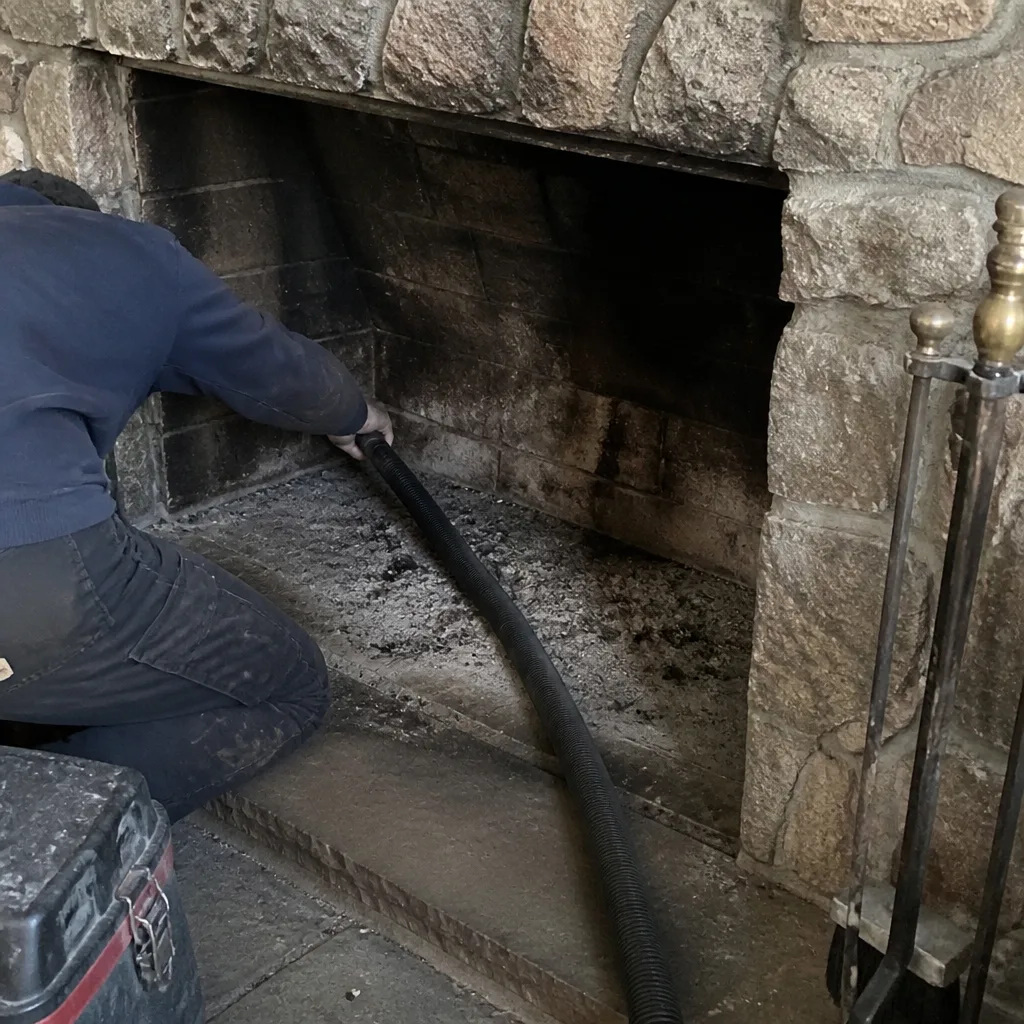
- Sweep the firebox and flue. The brush and rod go through the full length of the flue, not just the firebox. We remove the creosote and debris and confirm the smoke chamber and throat are clear.
- Run a camera inspection. A video camera through the flue shows us the actual condition of the lining, the smoke chamber, and any offsets or tight spots. You see what we see.
- Inspect the chimney top and flashing where roof access and conditions allow, checking cap, crown, flashing and stack condition.
- Check the damper and firebox. We confirm the damper seats and the firebox masonry is sound, and note anything the interior checks suggested.
- Report and estimate. You get a plain-language report with photos. If something needs repair, the estimate is written and specific, and you can see the evidence before you decide.
Because we handle sweep, inspection, cap and crown, structural repair and fireplace repair under one company, the technician who finds an issue is also the one who fixes it. You don’t get a finding and then a referral runaround. We use professional-grade materials from manufacturers the industry trusts – HeatShield for smoke chamber resurfacing, DuraFlex for flexible liner systems, Gelco and Olympia Chimney for related components – because the material is what determines how long the fix lasts. A chimney sweep with a camera and a proper report is the foundation the rest of this checklist rests on.
Our technicians have up to 10 years of experience, and the work you can count on is the work you can see. Nothing is recommended without camera evidence, and when work can safely wait, we say so.
Common Mistakes to Avoid
- Following a spring-cleaning schedule. A spring sweep leaves you burning all winter into a dirty flue. For Upper West Side heating seasons, late September is the timing that matters.
- Skipping the smoke chamber check. The smoke chamber is where prewar deterioration hides. If your yearly check doesn’t include a camera look at the smoke chamber and flue, you’re missing the spot that matters most.
- Patching a firebox with the wrong mortar. Ordinary mortar isn’t suited to firebox heat. A repair with the wrong material can fail and create a bigger problem later. Use a material rated for the job.
- Ignoring a cracked crown because it’s “up there.” Water is the leading cause of chimney deterioration, and a cracked crown is its front door. Address it before freeze-thaw seasons do the work for you.
- Climbing on the roof yourself. Upper West Side rooftops are crowded with equipment, and fall risk is real. Look from a window with binoculars and leave the roof to a professional.
- Keeping no maintenance log. A co-op board or an insurer will ask what was done and when. A log with dates, findings, materials and photos answers those questions in writing.
- Assuming “it looks fine” means it’s safe. The flue and smoke chamber can’t be judged from the living room. A camera inspection is what actually tells you.
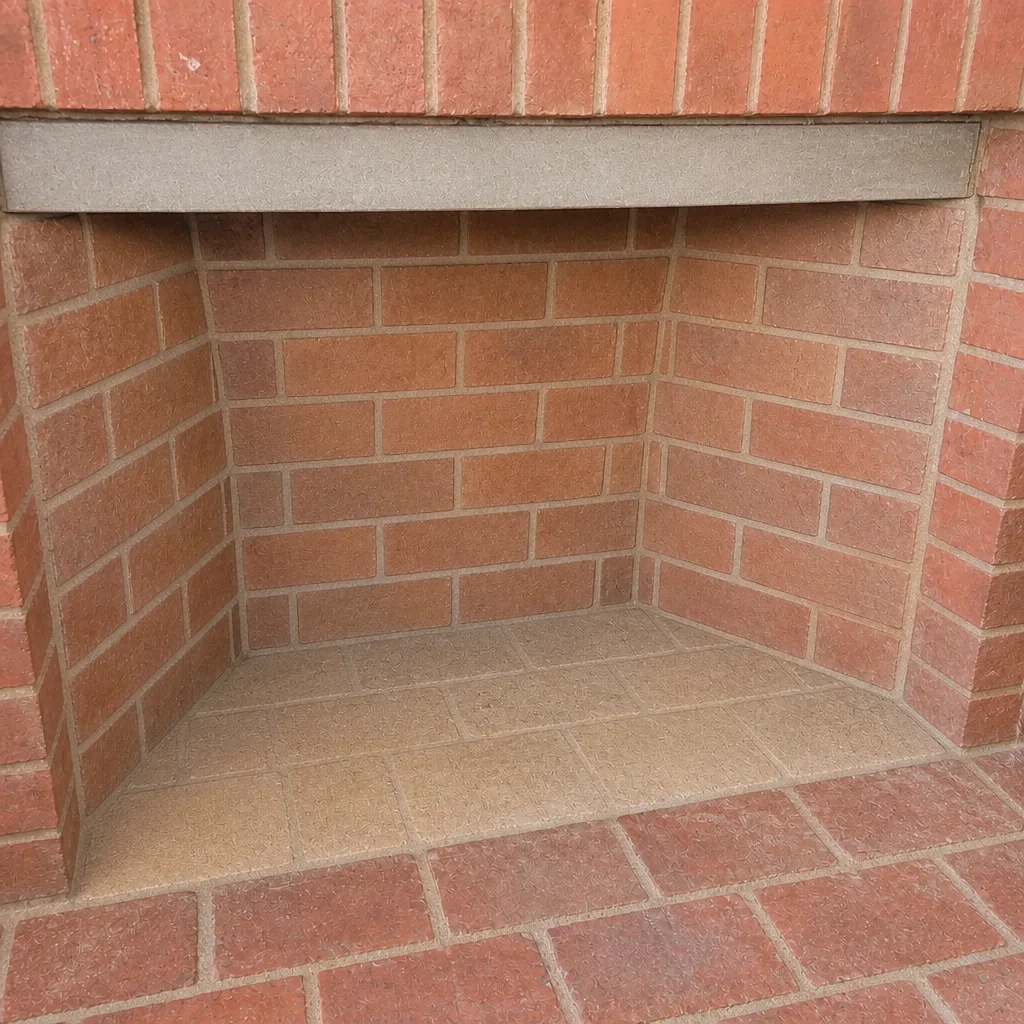
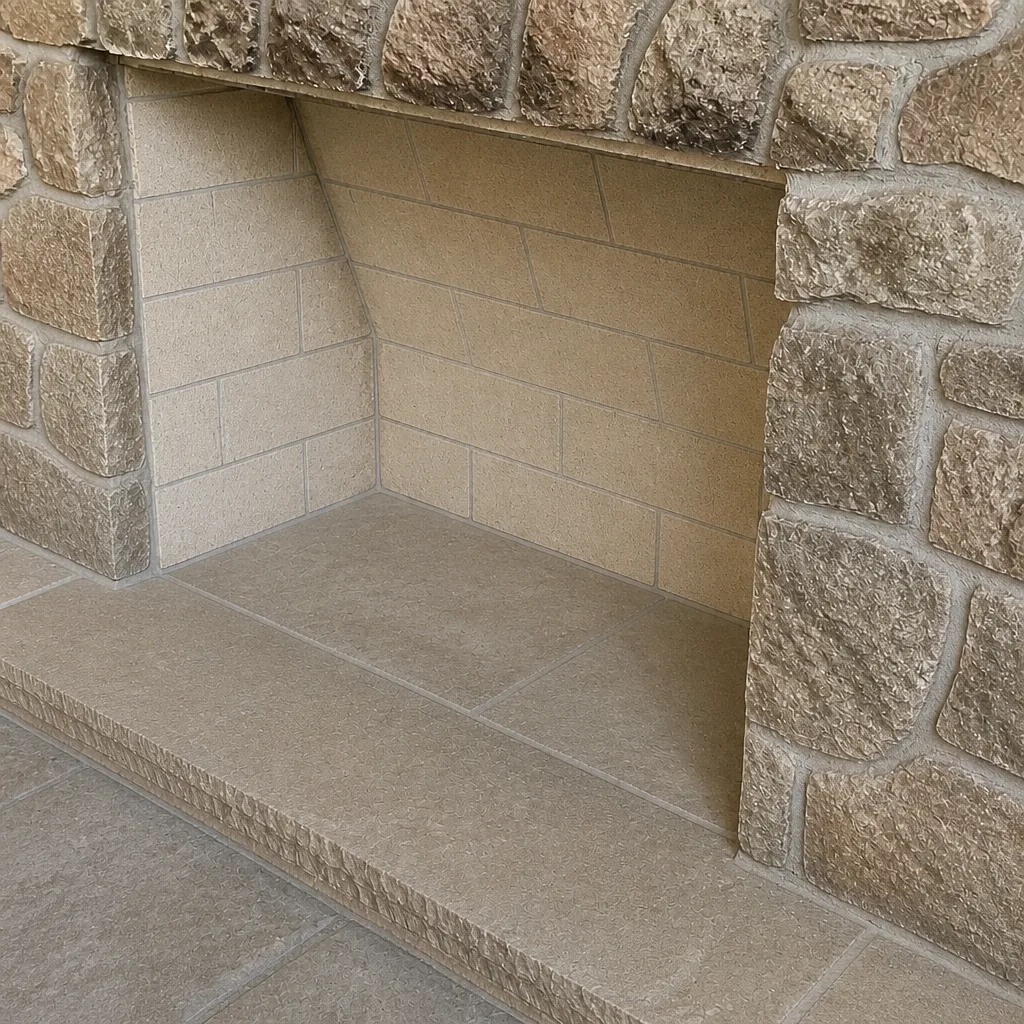
See the difference
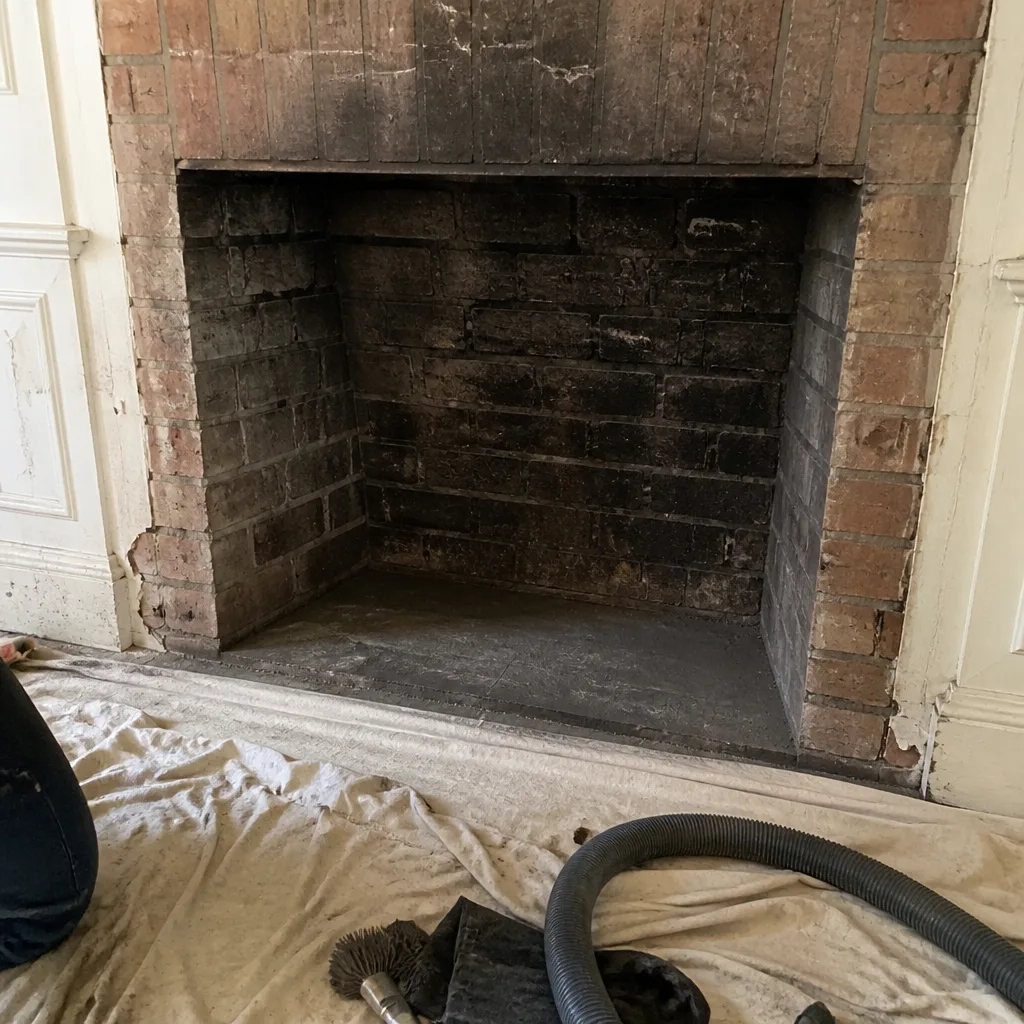 Before
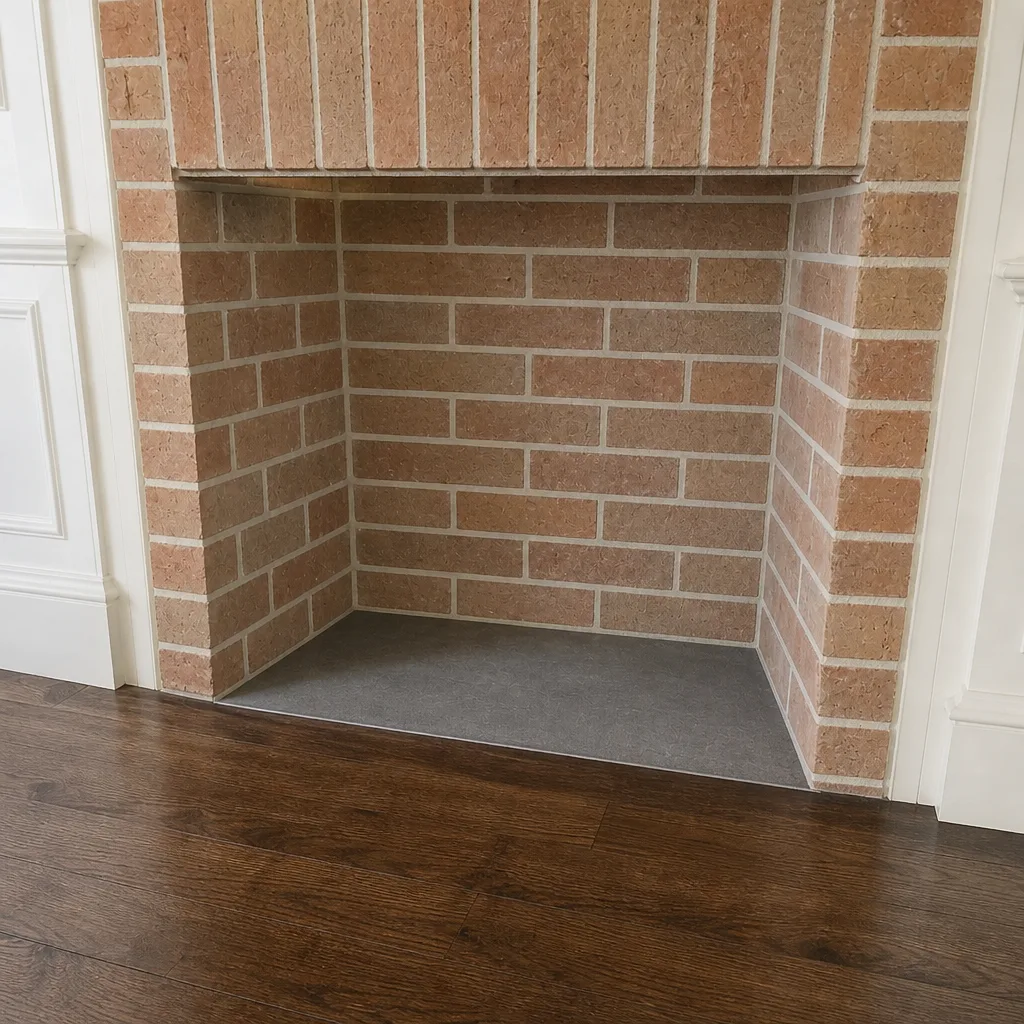 After
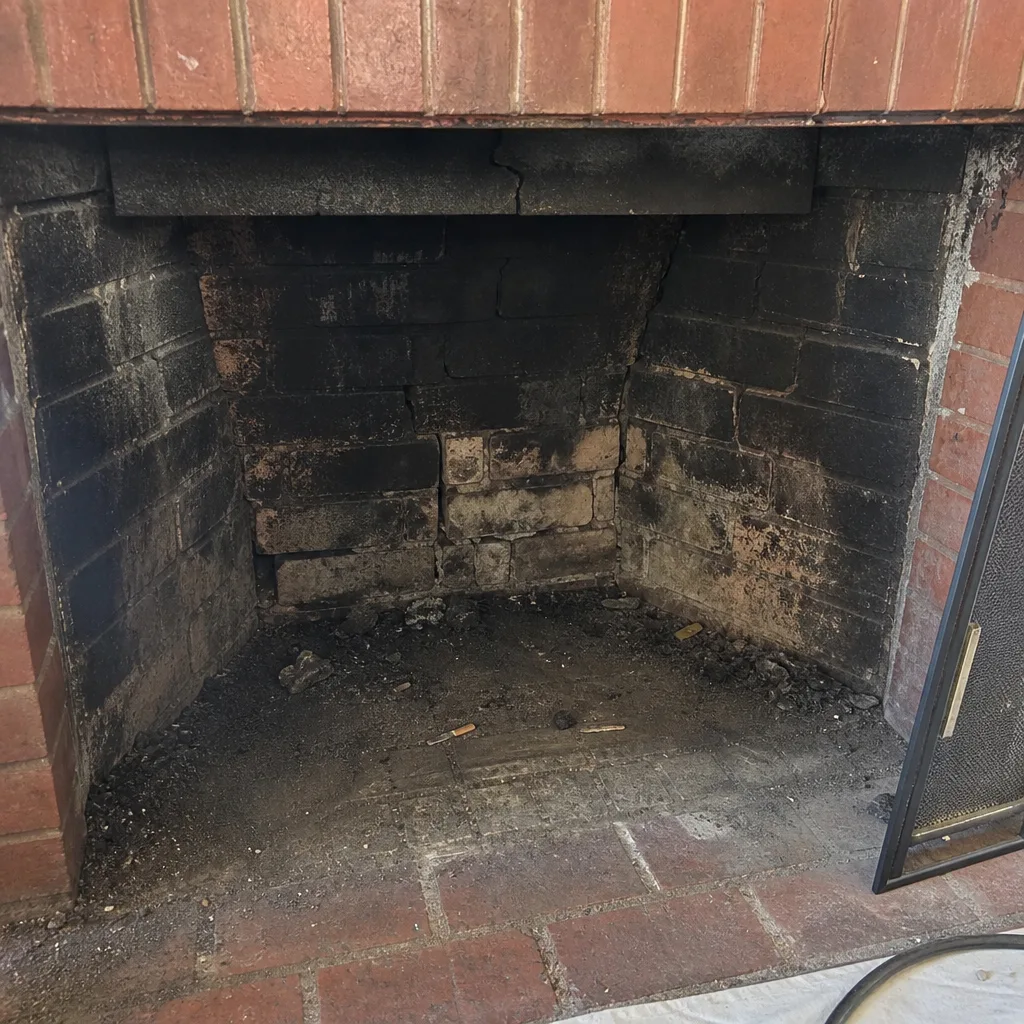 Before
 After
 Before
 After
When to Call a Professional
Call for an inspection if you haven’t had the flue and smoke chamber examined with a camera in the past year, if your last sweep was before a full heating season, or if any red flag above is on your list. Call sooner if you see smoke backing into the room, smell an unusual odor when the fireplace is idle, or notice a loose or missing cap. For gas or oil appliances vented to a chimney, don’t wait: a blocked vent is a carbon monoxide risk. Chimney Sweep Upper West Side offers free estimates in Upper West Side – call (833) 482-6118. We answer 24/7. Fast dispatch from 7am to 7pm, Sunday through Friday. Our technicians have up to 10 years of experience, and nothing is recommended without evidence you can see. If the work can safely wait, we will tell you.
Frequently Asked Questions
Once a year for most wood-burning fireplaces, timed to late September before the heating season. If you burn frequently or use a wood insert, the flue may need attention more than once a year. Your annual inspection tells you what the actual creosote load looks like. If you’re unsure when your last sweep was, call for an inspection. Call (833) 482-6118 for an exact quote – estimates are free.
It depends on what the camera shows. If the liner is cracked or absent, a DuraFlex liner system restores a safe flue for wood, gas or oil appliances. If the flue is sound but the smoke chamber has eroded corbels, HeatShield ceramic resurfacing restores it without a rebuild. We show you the evidence and explain the difference before recommending either. Call (833) 482-6118 for an estimate – you’ll see the camera report before any decision.
Creosote accumulates in the flue, and a heavy load can become a chimney fire hazard. Water intrusion through a worn cap or crown also goes untreated, and in a New York freeze-thaw climate that damage compounds over seasons. The risk is structural and safety-related, not cosmetic. Call (833) 482-6118 to schedule a sweep before the next burn season – estimates are free.
The price is set per job by a written estimate after we see your chimney, because a brownstone with multiple flues isn’t the same job as a single-flue fireplace. You get a flat-price sweep agreed before booking, with camera inspection and a photo report included. There’s no service call fee and no diagnostic charge. Call (833) 482-6118 for an exact quote – estimates are free.
You can do the safe interior checks: spalling, mortar condition, damper seating and smoke shelf debris from a cold firebox. What you can’t safely do is inspect the smoke chamber or flue lining without a camera, or assess the roofline from the roof itself. Our inspections are performed as a standalone service if you want an honest assessment before committing to repairs. Call (833) 482-6118 to book.
A written report with dates, findings, named materials and photos generally covers what boards and insurers ask for. Keep the log consistent year to year, and tell us when you book that you need documentation for your building. Call (833) 482-6118 to schedule and we’ll organize the report for that purpose.
The Bottom Line
An Upper West Side chimney needs a checklist built for a prewar building, not a suburban one. The smoke chamber check is the item that matters most, and the annual sweep belongs in late September, before the heating season rather than after it. Homeowner checks from the firebox and the window catch a lot; the camera inspection and the flue work are the professional’s. Keep a written log with dates, findings, materials and photos so your co-op board and insurer have what they need. When you see a red flag, address it at checklist stage. That’s what keeps a chimney safe to burn and a repair small.
Call (833) 482-6118 to book your sweep and inspection. We answer 24/7. Fast dispatch from 7am to 7pm, Sunday through Friday. Estimates are free.
Written by the team at Chimney Sweep Upper West Side.