
Last updated November 25, 2026
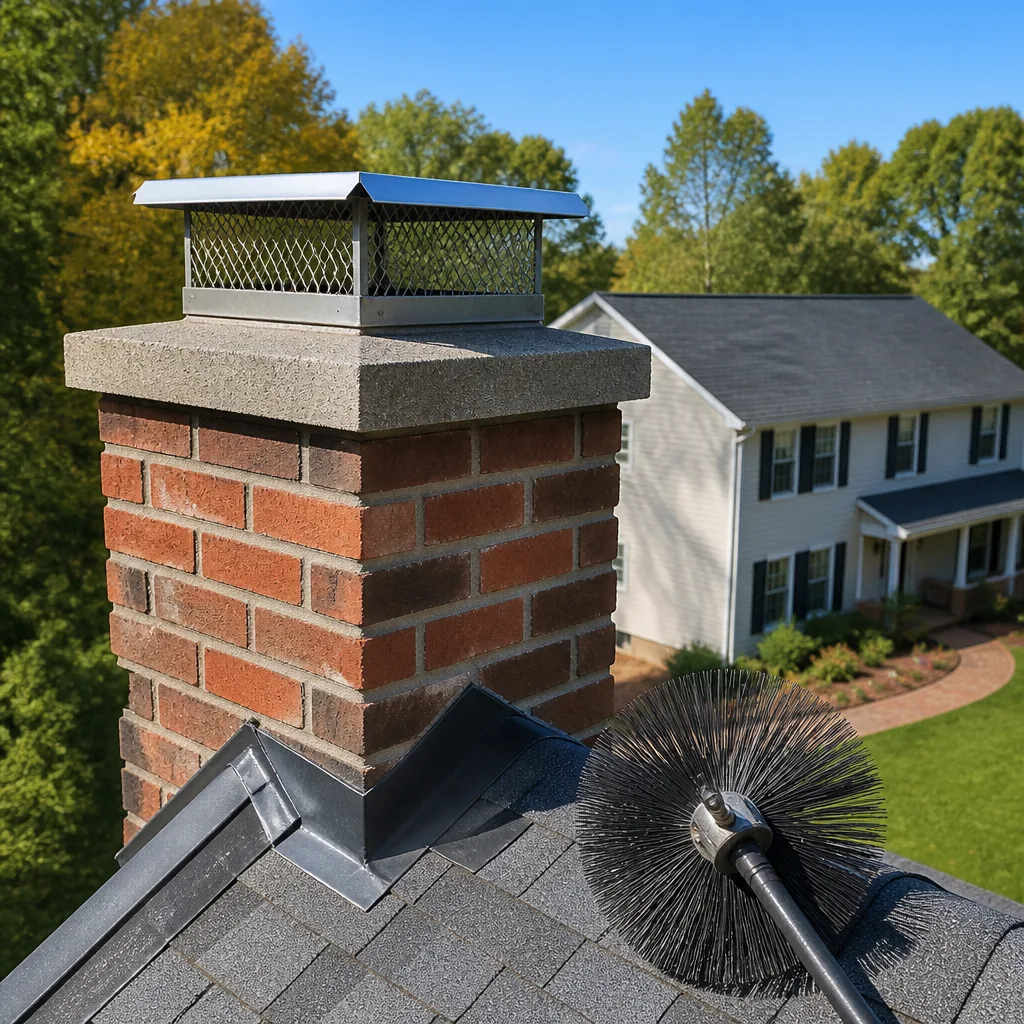 Sweep & inspection
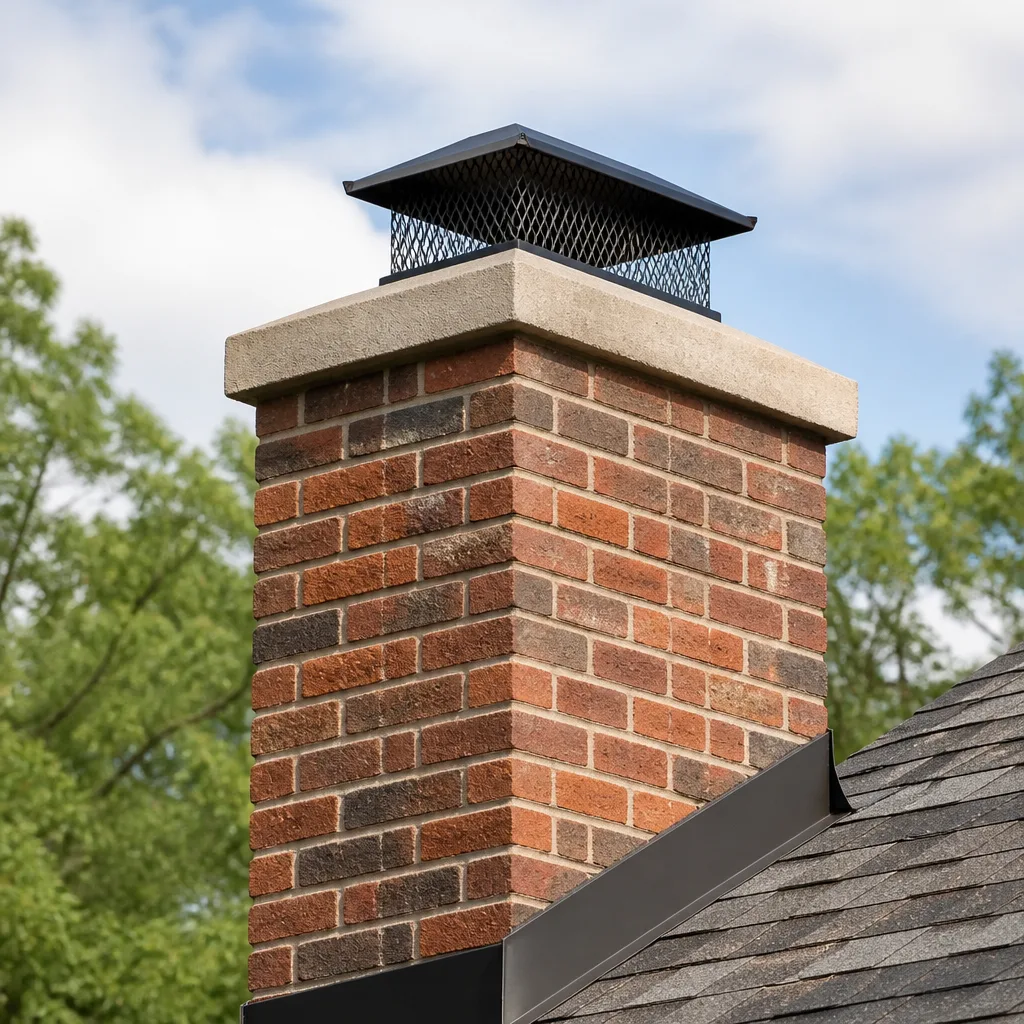 Caps & crowns
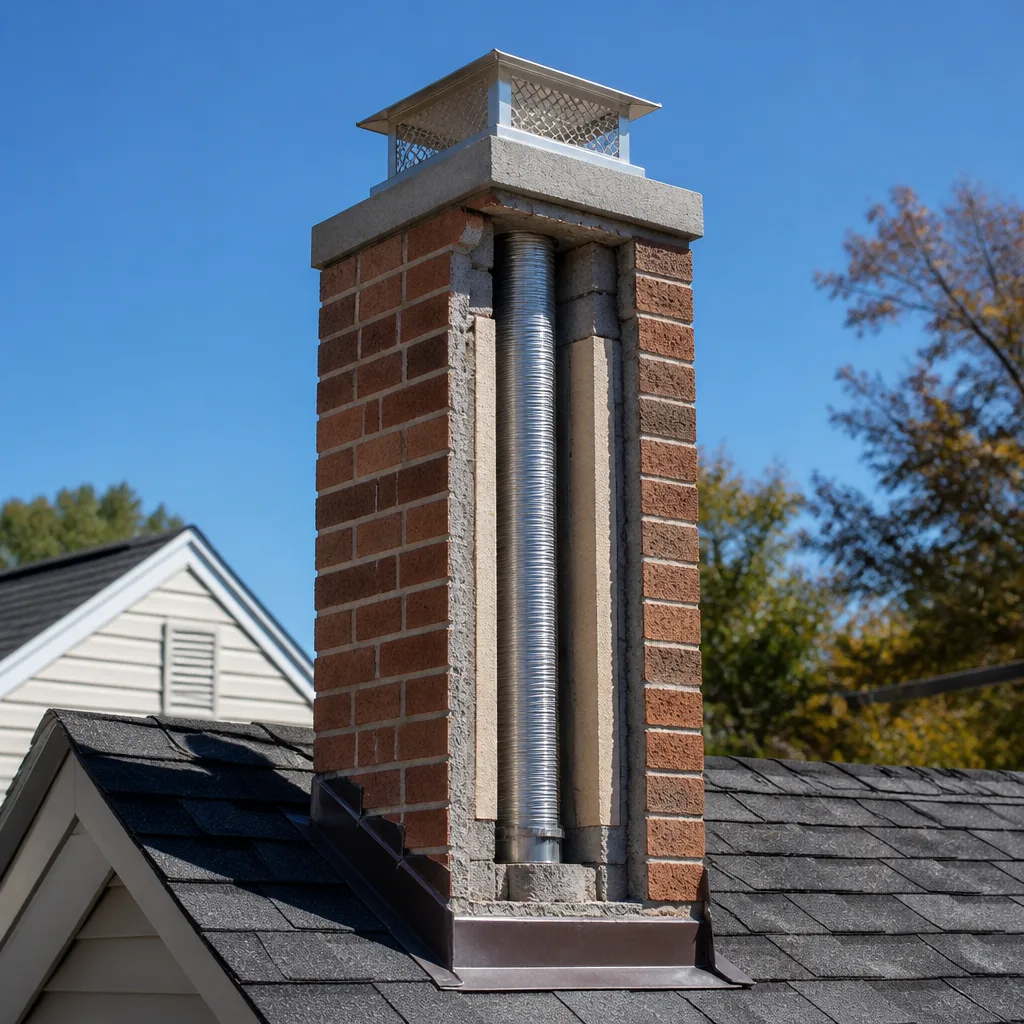 Flue relining
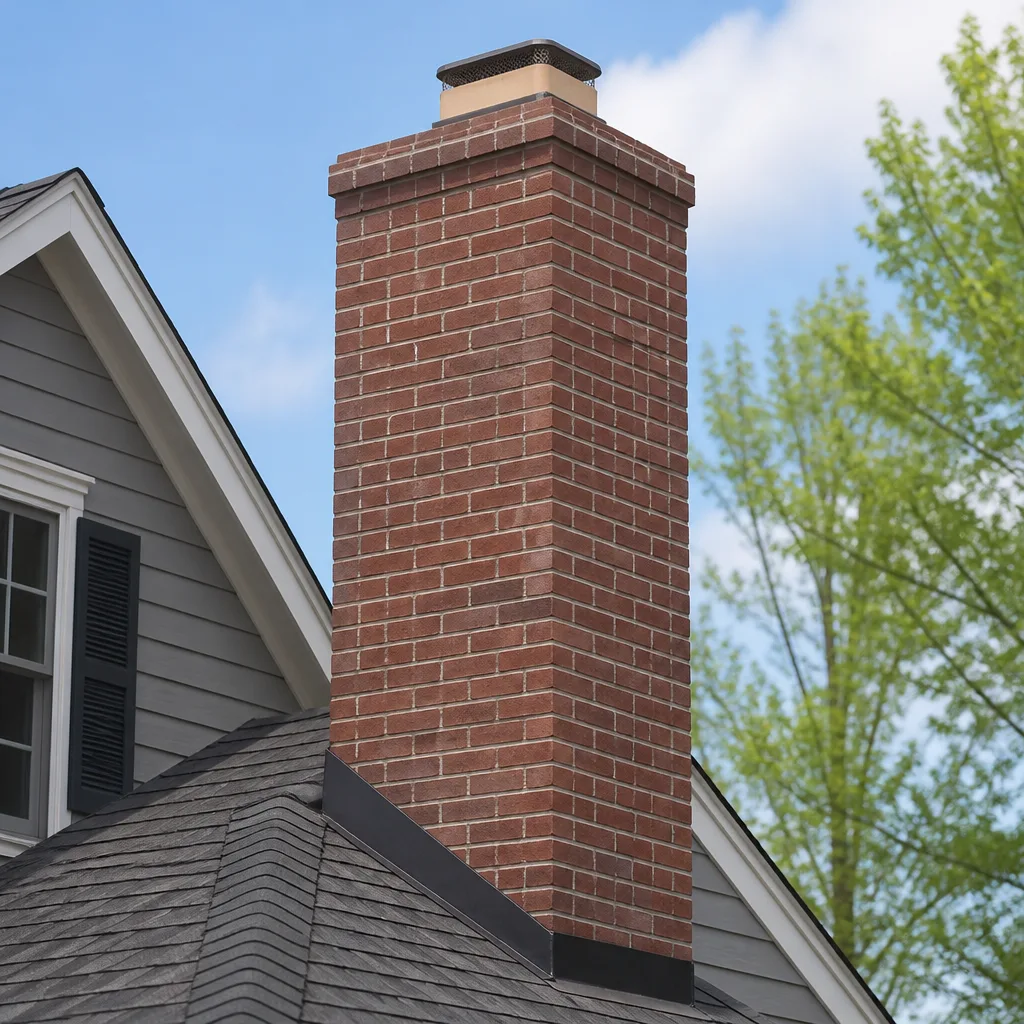 Masonry repair
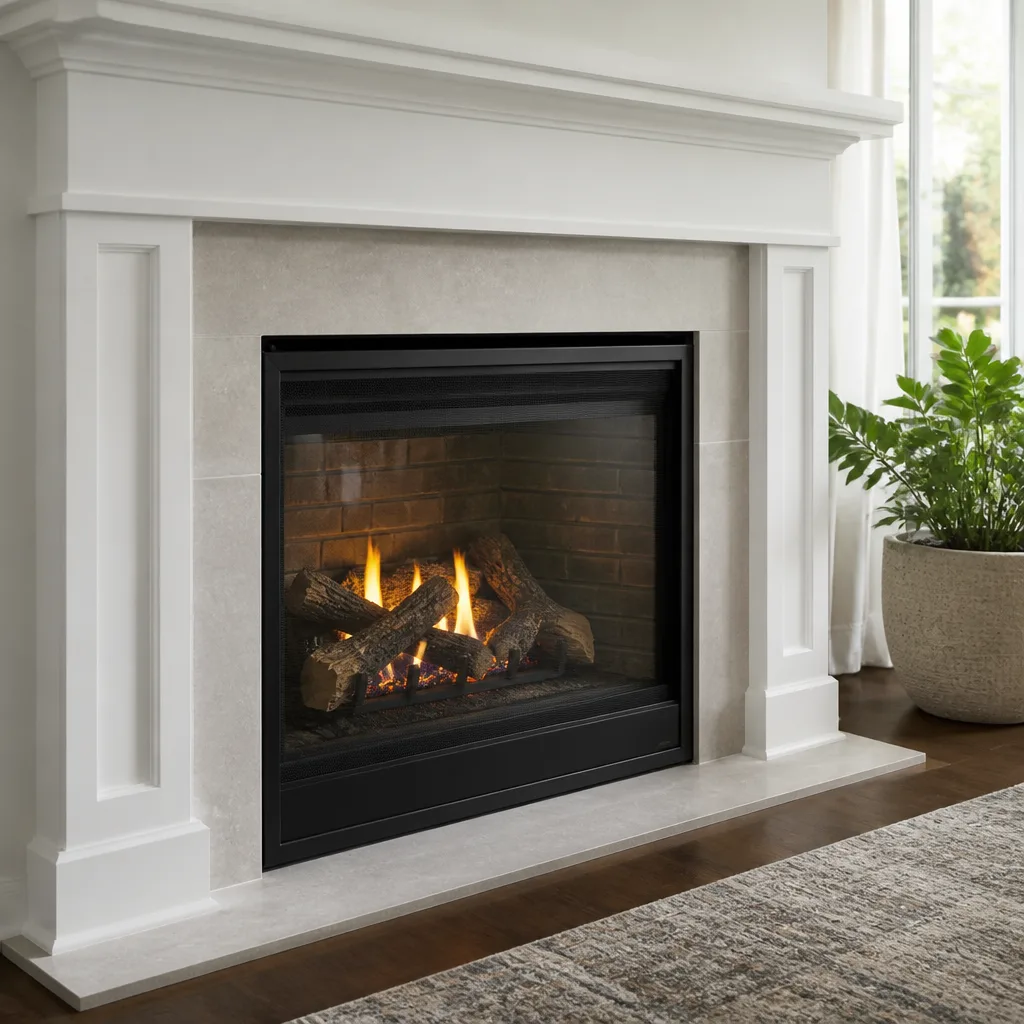 Gas fireplace service
Level 1 sweep and inspection to the NFPA 211 annual standard - flue, crown, cap, and flashing checked and photographed
Chimney sweep logs do not sweep chimneys. They loosen some creosote - which then falls where a brush and vacuum still have to collect it.
How to Hire a Chimney Cleaning Contractor in Upper West Side: A Step-by-Step Guide
Most homeowners hiring a chimney sweep start by asking one question: are you CSIA certified? It’s the right question, but it’s only one filter. A CSIA certification tells you a technician passed an exam on chimney science and sweeping practice. It does not tell you whether that technician has ever navigated a rooftop access waiver for a six-story brownstone, knows what a Class A shared flue means for a prewar co-op, or can show a certificate of insurance that satisfies a building’s managing agent. On the Upper West Side, those urban job-site skills separate a contractor who can actually complete the work from one who shows up, looks at the roofline, and hands you a refund.
This guide walks you through the hiring process in sequence, from the first phone call to the signed estimate. You’ll learn the credential stack that holds up in New York City, the building-management questions most homeowners never think to ask, how to read a sweep quote line by line, and the specific red flags we’ve watched homeowners miss. By the end you’ll have a short list of questions that do most of the vetting for you, and a clear sense of what “safe to burn” actually requires.
Quick Answer
To hire a chimney cleaning contractor in Upper West Side, verify three things before you book: current CSIA certification for the technician who will do the work, liability insurance limits and a certificate of insurance that satisfies your building or co-op board, and proof the company performs Level II inspections with a written condition report rather than a broom-and-go sweep. Then ask specifically about rooftop access, debris containment in an occupied building, and whether the technician who inspects is the same one who does repairs. A contractor who can answer all of that in specifics, without a callback, is worth booking.
Styles & brands we work with
- Sweep & inspection
- Caps & crowns
- Flue relining
- Masonry repair
- Gas fireplace service
Table of Contents
- What credentials actually matter in New York City?
- How do you vet a contractor for co-op and condo building experience?
- How do you read a chimney sweep quote?
- What’s the difference between a sweep and a Level II inspection?
- What red flags should eliminate a contractor?
- How do you verify a contractor’s repair claims?
- What’s the step-by-step hiring process?
- Common Mistakes to Avoid
- When to Call a Professional
- Frequently Asked Questions
What credentials actually matter in New York City?
The credential stack that matters here has three layers, and most homeowners only check the first. A CSIA (Chimney Safety Institute of America) certification confirms the technician passed a standardized exam and stays current through continuing education. That’s the floor, not the ceiling. The second layer is NFI (National Fireplace Institute) certification if your home has a gas, wood insert, or pellet appliance, because venting those appliances correctly is a different skill set from sweeping a traditional masonry flue. The third layer is the one New York City makes non-negotiable: liability insurance and workers’ compensation coverage at limits that satisfy a co-op board or managing agent.
That third layer is where national standards and New York City reality diverge. A general contractor’s certificate of insurance that would be fine for a suburban single-family job is often rejected by a Manhattan managing agent’s office before work begins. Buildings want to see general liability limits that protect the building itself, workers’ comp coverage for anyone on the roof, and often the building named as an additional insured. Ask any Upper West Side contractor to have their insurer send a certificate directly to your building’s managing agent before the appointment. A company that does this routinely won’t blink at the request. A company that hasn’t done it before will.
One more layer worth asking about: manufacturer authorization. Chimney repair materials aren’t interchangeable, and the difference shows up years later. When we specify a HeatShield ceramic resurfacing or a DuraFlex flexible liner, we’re working with products the manufacturer has a documented installation protocol for. A contractor who can name their materials and explain why each was chosen is a contractor who has done the reading.
How do you vet a contractor for co-op and condo building experience?
Ask direct questions about rooftop access and building protocols, and listen for whether the answers come fast or need a callback. An Upper West Side contractor who works co-op and condo buildings regularly will have ready answers to all of the following:
- Rooftop access: Can they work with your building’s access rules, whether that means roof hatch keys, a signed access waiver, a super escort, or a scheduled window? A six-story brownstone with a hatch and a walk-up are different jobs from a mid-rise with elevator access and a roof door alarm.
- Certificate of insurance: Can their insurer produce a COI in the format your managing agent requires, with the building named as additional insured, typically within a day or two of the request?
- Debris containment: How do they protect occupied apartments below the flue from soot and dust during the sweep? A real answer mentions drop cloths, sealed openings, and a HEPA vacuum, not “we’re careful.”
- Shared flues: In prewar buildings, a Class A flue may serve multiple units or a boiler. Can they identify what your flue actually serves before sweeping, and explain how that affects the job?
- Coordination: Do they schedule with the super, the managing agent, or directly with you, and who confirms the appointment with the building?
We’ve learned the hard way, on behalf of homeowners, that a contractor with great residential references can still be a poor fit for a co-op. The building’s requirements become the homeowner’s problem when the contractor doesn’t know the drill. Ask these questions on the first call. If a contractor can’t discuss rooftop access and COI requirements in specifics, that’s your answer, and it’s worth moving on before you book.
How do you read a chimney sweep quote?
A good chimney sweep quote has distinct line items, and the absence of a line item tells you as much as its presence. A bare “flat rate sweep” quote often hides the most important part of the job: the inspection. Sweeping removes creosote. inspection tells you whether the flue is sound, whether the liner is compromised, and whether the appliance is venting correctly. Those are different tasks, and one without the other leaves you with a clean chimney of unknown condition.
Here’s what should appear on a written quote for a standard residential job in Upper West Side:
- Sweep scope: The specific flue or appliance being swept, the method, and what’s included (drop cloths, containment, cleanup).
- Inspection level: Whether a Level I, II, or III inspection is included, and what it covers. A standard annual service should include at least a Level I visual inspection; a Level II includes a video camera scan of the flue interior.
- Written condition report: A document you keep, describing what was found, with photos or video stills where applicable. Ask to see a sample report before booking.
- Recommendations with pricing: Any repair or upgrade recommended should be priced separately and explained. If nothing needs doing, the report should say so.
- Insurance and access notes: Confirmation the COI has been sent to the building, and who is handling rooftop access.
If a quote doesn’t state the inspection level, ask which one is included and what it covers. If it doesn’t include a written report, ask whether one is available as an add-on. Some companies sweep and inspect on separate visits; that’s fine as long as you know which is which and what each costs. What you don’t want is a quote that conflates the two, because that’s how a homeowner ends up with a clean chimney and no idea whether it’s safe to use.
What’s the difference between a sweep and a Level II inspection?
A chimney sweep removes creosote, soot, and obstructions from the flue so the chimney can be used safely. A Level II inspection is a diagnostic scan of the flue’s interior using a camera, performed to assess the condition of the liner, the joints, and the smoke chamber. The sweep is maintenance; the inspection is diagnosis. You need both, and a contractor who offers a standalone inspection is one worth keeping on your list.
The distinction matters most in older Upper West Side buildings. Prewar masonry chimneys often have clay tile liners that have cracked or shifted over decades, and the only way to see that is with a camera. A technician who only sweeps can tell you the flue is clear. A technician who inspects can tell you whether the flue is still containing combustion gases or whether a cracked tile is letting carbon monoxide into the building’s structure. Those are very different answers for a building with shared masonry walls.
Here’s how to use the distinction when hiring:
- Book a Level II inspection as a standalone service if you’re buying a home, moving into a new co-op, or haven’t used the fireplace in a while. You want the diagnosis before you commit to any work.
- Book a sweep with a Level I inspection for routine annual maintenance of a fireplace you already know the condition of.
- Ask for the video footage if a repair is recommended. Seeing the crack or the offset yourself is the whole point of the camera.
We perform inspections as a standalone service specifically because homeowners deserve an honest assessment before they decide whether to spend on repairs. If the report comes back clean, you’ve bought peace of mind and a documented baseline. If it doesn’t, you have evidence you can see and a repair you can price.
What red flags should eliminate a contractor?
The warning signs in New York City chimney work are specific, and they cluster around the same handful of gaps. Watch for these:
- No Level II inspection capability. A contractor who can’t run a camera down the flue can’t tell you the condition of your liner. You’re paying for a cleaning and getting no diagnosis.
- No written condition report. Verbal findings disappear the moment the truck leaves. A professional hands you a documented report, with photos, that you can keep and compare year over year.
- Subcontracted sweep work. If the company you hired sends a different company to do the sweep, you have no idea whose credentials or insurance are on the roof. Ask directly: who will be in my building?
- “Masonry repair” references with no product specificity. A contractor who can’t tell you which liner or resurfacing material they use, and why, hasn’t done the work enough to have a preference. See our notes on verification below.
- No COI process for buildings. A contractor who seems surprised by the request to send insurance documents to a managing agent has not worked in co-ops.
- Pressure to authorize repairs on the spot. A legitimate diagnosis comes with evidence, a written report, and the option to think about it. Urgency without evidence is a sales tactic.
One more flag specific to Upper West Side buildings: a contractor who won’t discuss rooftop access before the appointment. If they can’t tell you how they’ll get on the roof, they haven’t thought about it, and the day of the appointment is the wrong time to discover the roof door needs a building key.
How do you verify a contractor’s repair claims?
Ask for records of specific installations rather than general references to “masonry repair.” A contractor who relines chimneys regularly can tell you which liner systems they install and describe a job type they’ve done, without naming a customer. The reputable ones will happily talk materials. The ones who can’t are usually generalists who’ve relined a chimney once or twice and are quoting from a catalog.
The strongest verification is a conversation about products. Ask what they use, and why. Here’s how that conversation should sound when we have it:
- HeatShield ceramic resurfacing: Applied to a damaged flue to restore its surface without a full rebuild. It’s documented by the manufacturer as a cost-saving alternative to demolition, and it works where the flue is still structurally sound but the tile surface is failing.
- DuraFlex flexible liner systems: A stainless liner that can be installed in chimneys with offsets or tight configurations that rigid liners can’t navigate. Many Upper West Side prewar chimneys have exactly those offsets, which is why flexibility matters here. DuraFlex systems are rated for wood, gas, and oil appliances.
- Gelco and Olympia Chimney: Cap, crown, and venting components that complete the system. A crown that sheds water and a cap that keeps rain and animals out are the least expensive ways to extend a chimney’s life.
If a contractor recommends a full rebuild, ask why resurfacing or a reline won’t solve the problem. Often it will, and a contractor who can explain the difference between a structural failure and a surface failure is a contractor who will save you real money. If they can’t explain the difference, get a second opinion before you authorize anything. Our chimney repair service exists because many chimneys diagnosed as needing demolition can be restored with the right materials.
What’s the step-by-step hiring process?
Here’s the sequence that works, in the order to do it:
- Define the scope. Decide whether you need a routine annual sweep, a standalone Level II inspection before buying or moving in, or a diagnosis of a specific problem (a smoky fireplace, a water stain on the ceiling, a draft). The scope determines the questions you ask.
- Check credentials on the first call. Ask for CSIA certification for the technician who will attend, NFI certification if you have a gas or insert appliance, and confirmation the company carries liability and workers’ comp insurance. Get the COI request in motion early.
- Ask the building questions. Rooftop access, COI format, debris containment, shared flue identification, and who confirms the appointment with the building. Do this before booking.
- Request a written quote. Confirm the sweep scope, the inspection level, whether a written condition report is included, and what repairs would cost if recommended. The written estimate sets the final price, so get it in writing before work begins.
- Book the appointment and confirm access. Coordinate with your super or managing agent if required. For a shared access point, confirm the key or escort is arranged before the technician arrives.
- Review the report and decide on repairs. Read the condition report, ask to see the camera footage, and decide. Nothing should be authorized without evidence you can see. If the report is clean, you’re done until next year.
- Schedule the fix with the same company if repairs are needed. The advantage of a full-scope contractor is that the technician who found the problem can fix it, with the right material, without a referral to a third party.
For the repair side of the sequence, our chimney cap & crown work pairs with repair services because the two address the same underlying problem, water intrusion, from both ends. A crown that sheds water and a cap that blocks it from entering the flue are the two cheapest protections you can add, and they’re the reason many chimneys deteriorate in the first place.
Common Mistakes to Avoid
- Treating CSIA certification as the only check. It’s necessary and it’s the floor. Certification doesn’t tell you whether the contractor can get on a brownstone roof or produce a COI your managing agent will accept. Ask both.
- Booking a “flat rate sweep” and assuming it includes an inspection. It often doesn’t. You end up with a clean flue and no condition report, which is the opposite of what you need before burning season. Confirm the inspection level in writing.
- Skipping the written condition report. Verbal findings are worth nothing twelve months later when you’re trying to remember whether the technician said the liner was “fine” or “fine for now.” Ask for the report, with photos.
- Not involving your building early. If your co-op requires a COI and a rooftop access waiver, discovering that the morning of the appointment is how a job gets rescheduled twice. Start the paperwork the day you book.
- Authorizing repairs without seeing the evidence. A camera scan is the whole point. Ask for the footage, ask what’s visible, and give yourself overnight to decide if the number is large.
- Assuming a rebuild is the only option for a damaged flue. HeatShield resurfacing and flexible liner installations restore many chimneys at a fraction of demolition cost. Ask the contractor to explain why a rebuild is the only path before you accept it.
- Hiring for the sweep and forgetting the seasonal timing. Upper West Side fireplace season starts when the weather turns, and appointment calendars fill. Book a sweep before you need the fireplace, not after the first cold weekend when everyone else is calling.
See the difference
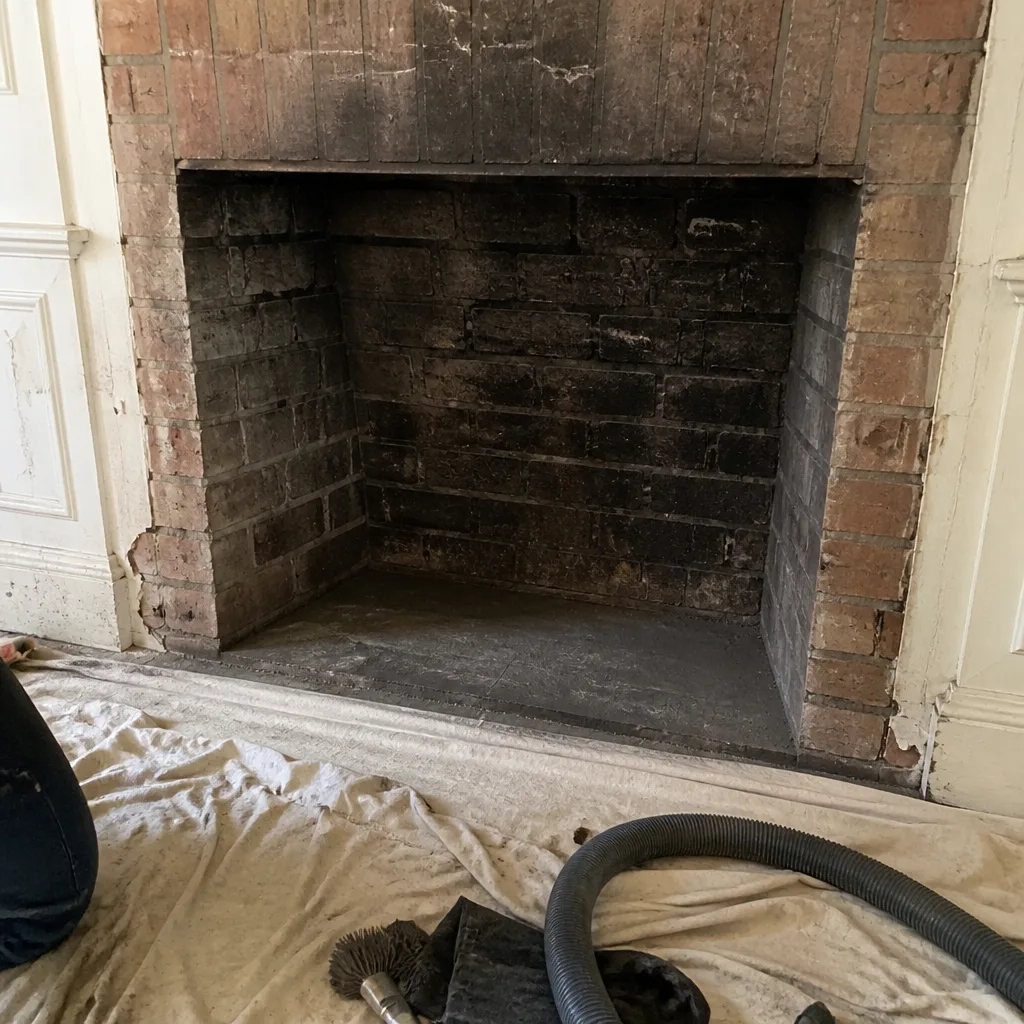 Before
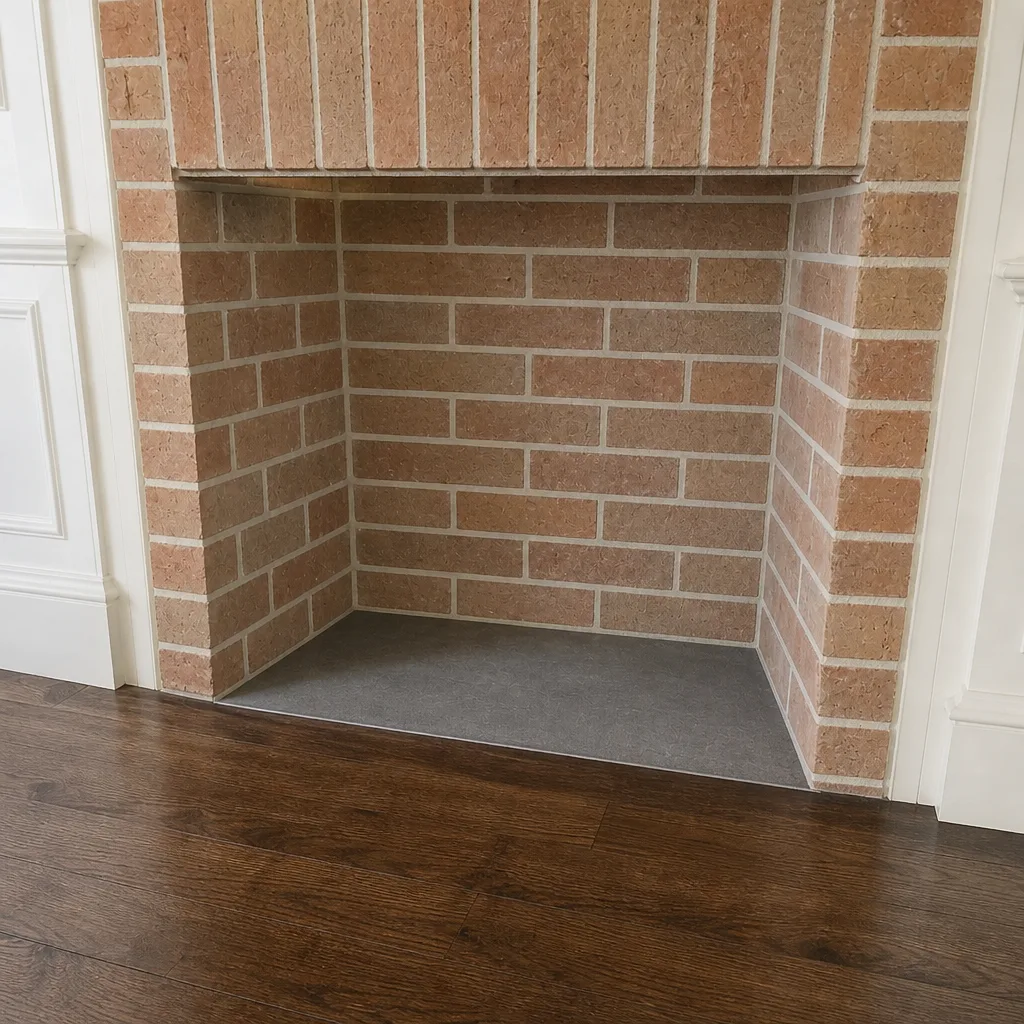 After
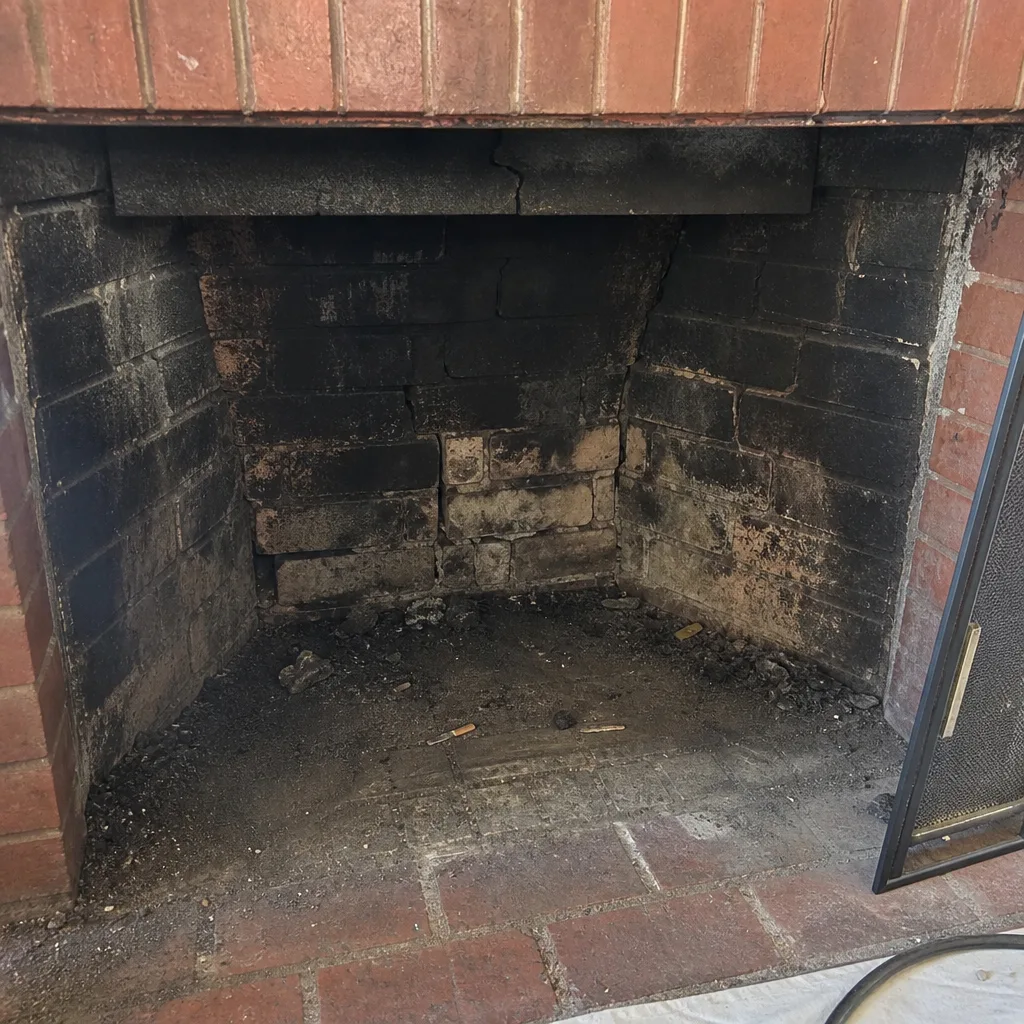 Before
 After
 Before
 After
When to Call a Professional
Call a professional if you smell smoke in the room when the fireplace is lit, if you see water staining or efflorescence on the chimney breast, if a draft is weak or inconsistent, or if it’s been more than a year since the flue was swept. Call before burning season if you’ve just moved into a co-op or brownstone and have no service history. Call if your carbon monoxide detector has sounded, and treat that as an immediate stop on using the fireplace. And call if a previous contractor recommended thousands of dollars of work without showing you camera evidence; a second opinion with a proper inspection is worth the visit.
Chimney Sweep Upper West Side offers free estimates in Upper West Side. Call (833) 482-6118. We answer 24/7. Fast dispatch from 7am to 7pm, Sunday through Friday.
Frequently Asked Questions
A typical chimney sweep in Upper West Side runs roughly $180 to $350 for a standard single-flue job, and a standalone Level II inspection with a camera scan typically runs $250 to $500. Co-op and condo jobs that require rooftop access coordination or additional insurance paperwork can land at the higher end, and repairs are quoted separately on the written estimate. The written estimate sets the final price. Call (833) 482-6118 for an exact quote; estimates are free.
Yes, if you haven’t had one and you’re moving into a new building, buying the apartment, or the chimney’s condition is unknown. A sweep clears the flue but can’t tell you whether the liner is intact. A Level II inspection with a camera scan is the only way to see the flue interior, and in prewar Upper West Side buildings with clay tile liners, that view is what tells you whether the chimney is safe to use. Call (833) 482-6118 to book a standalone inspection before committing to any repair.
Once a year if you burn regularly, and at minimum once a year if you burn at all. The CSIA standard is annual inspection and sweeping as needed, and in a dense prewar building the shared masonry walls mean a flue problem affects more than one unit. Book before burning season so the appointment isn’t competing with everyone else’s first cold-weekend call. Call (833) 482-6118 to schedule before the season starts.
Creosote builds up on the flue walls and becomes combustible, which raises the risk of a chimney fire. A blocked or cracked flue can also let carbon monoxide into the building instead of venting it outside. Neither outcome is common in a well-maintained chimney, which is exactly why annual maintenance matters: it keeps a healthy chimney healthy and catches the problem before it becomes a hazard. Call (833) 482-6118 for a free estimate and a documented condition report.
Often yes, and the requirement varies by building. Most co-ops and managing agents will want a certificate of insurance naming the building, and some require a rooftop access waiver or a scheduled window for the work. Ask your managing agent what they need before you book, and ask the contractor whether they can produce the COI in the building’s required format. A contractor who works Upper West Side buildings regularly will have the process down. Call (833) 482-6118 to ask how we handle building requirements.
Often yes. HeatShield ceramic resurfacing restores a flue whose tile surface is failing but whose structure is sound, and a DuraFlex flexible liner can reline a chimney with offsets that rigid liners can’t navigate. Both are professional-grade materials with documented installation protocols, and both cost far less than demolition and rebuild. The decision comes down to the camera evidence, which is why we don’t recommend a repair without showing you what we found. Call (833) 482-6118 for an inspection and a written report.
The Bottom Line
Hiring a chimney contractor in Upper West Side comes down to three filters: credentials that hold up in New York City, building experience that includes rooftop access and COI protocols, and a written condition report backed by camera evidence. Check the credential stack on the first call, ask the co-op and condo questions before booking, and read the quote line by line to confirm the inspection is included. Then insist on seeing the evidence before you authorize any repair, whether it’s a Chimney Sweep Upper West Side service, a reline, or a resurfacing. A contractor who can explain the material, the method, and the reason is a contractor who will keep your chimney safe to burn for years.
Ready to book? Call Chimney Sweep Upper West Side at (833) 482-6118 for a free estimate. We answer 24/7. Fast dispatch from 7am to 7pm, Sunday through Friday. Our technicians have up to 10 years of experience, and we work with professional-grade materials from HeatShield, DuraFlex, Gelco, and Olympia Chimney. We’ll show you the camera footage, hand you a written report, and tell you plainly when work can safely wait.
Written by the team at Chimney Sweep Upper West Side.