
Last updated November 25, 2026
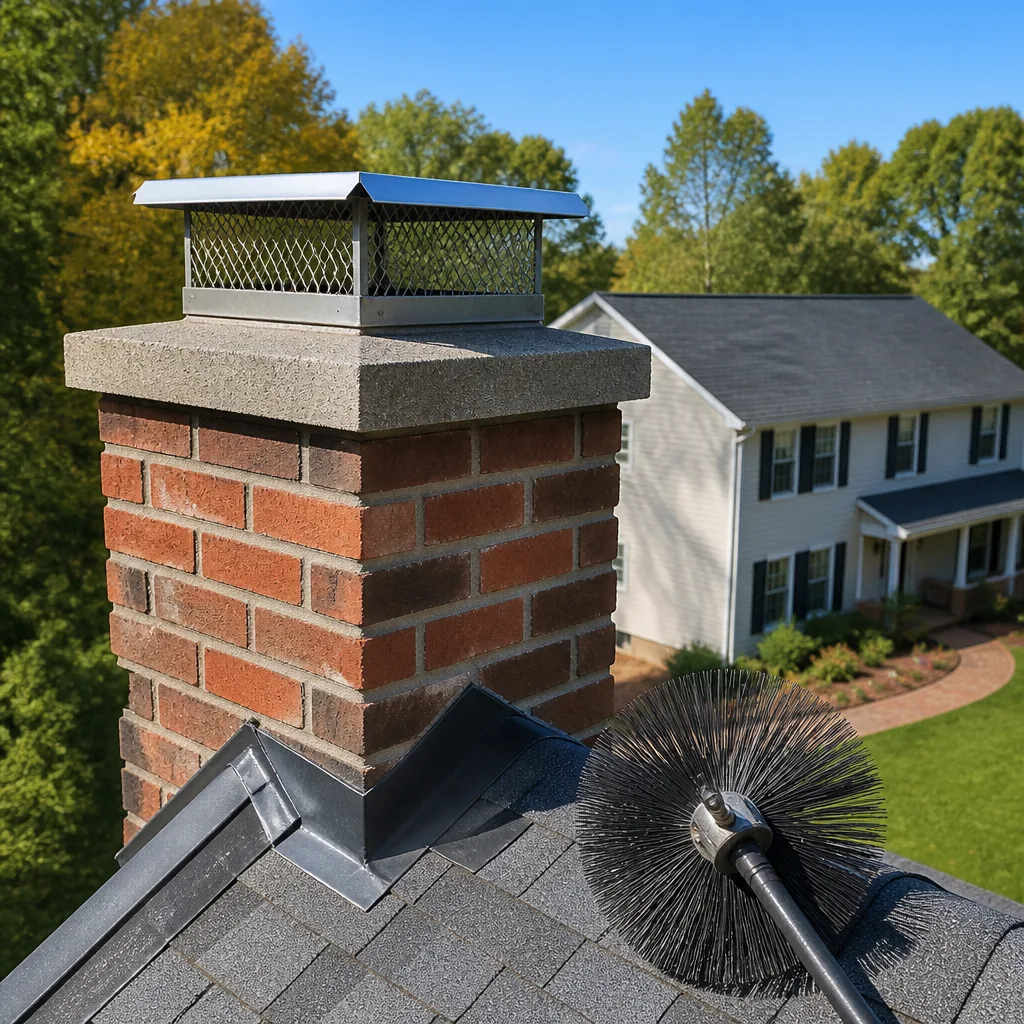 Sweep & inspection
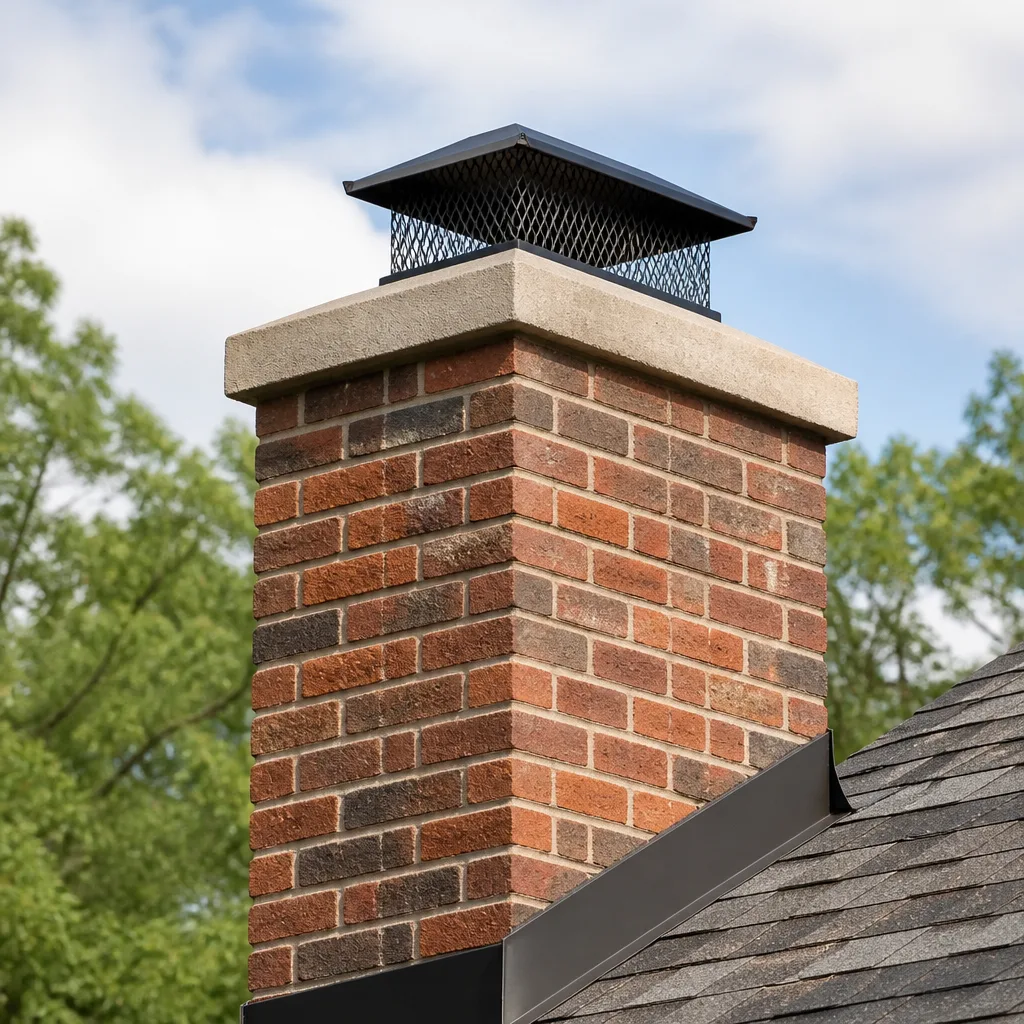 Caps & crowns
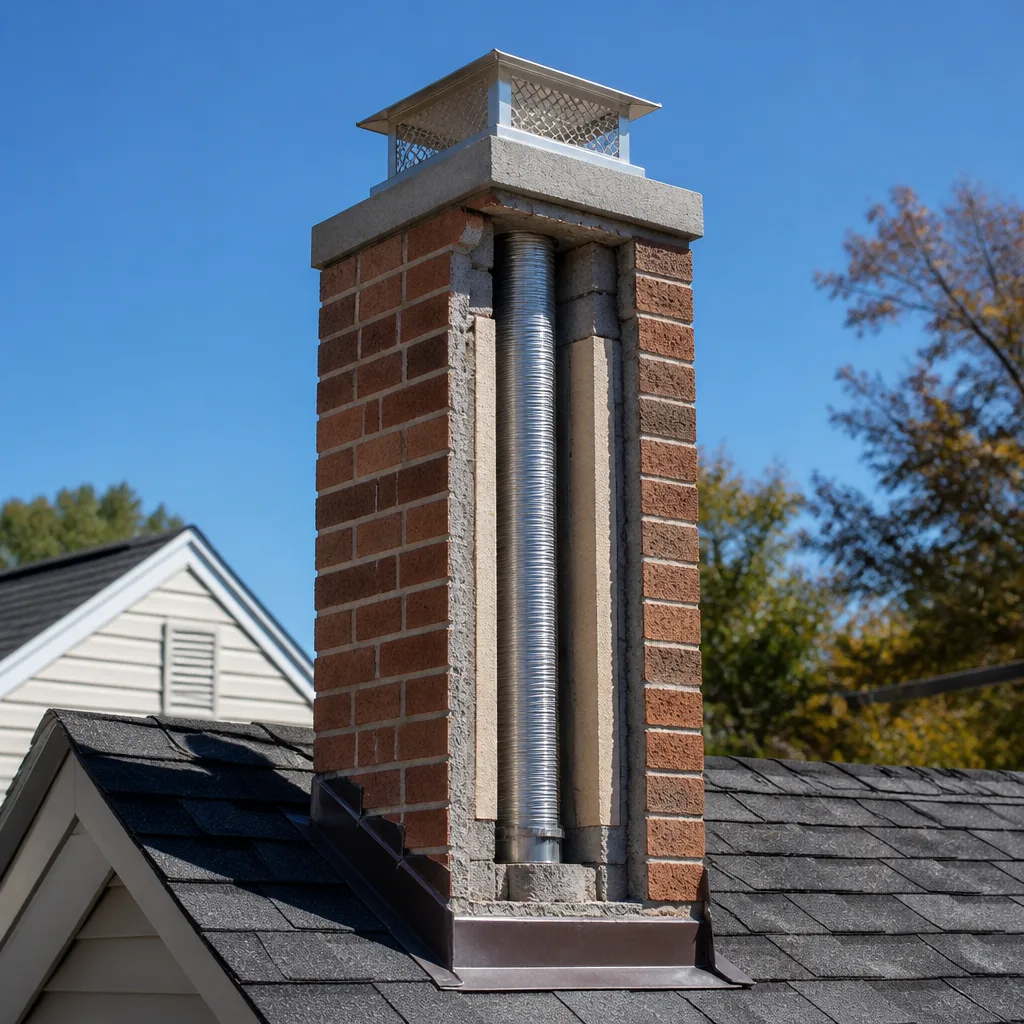 Flue relining
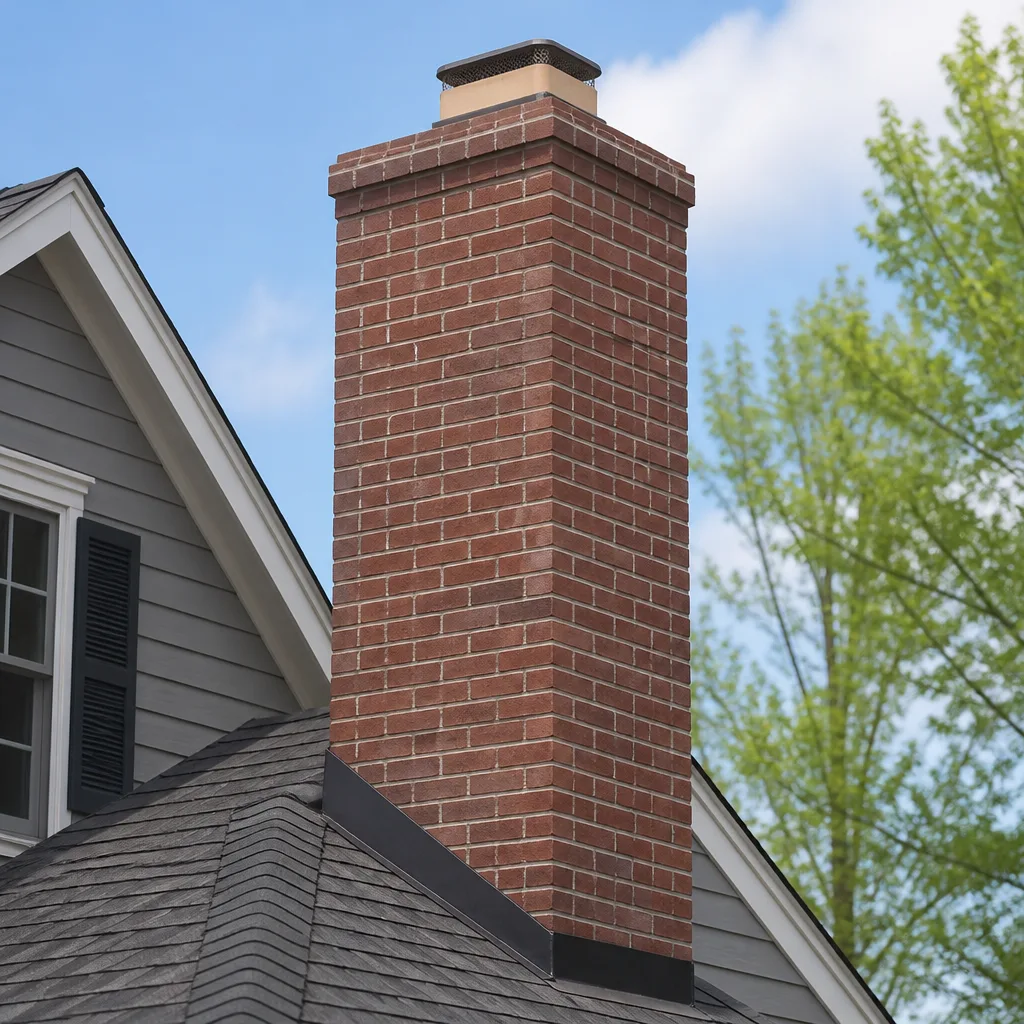 Masonry repair
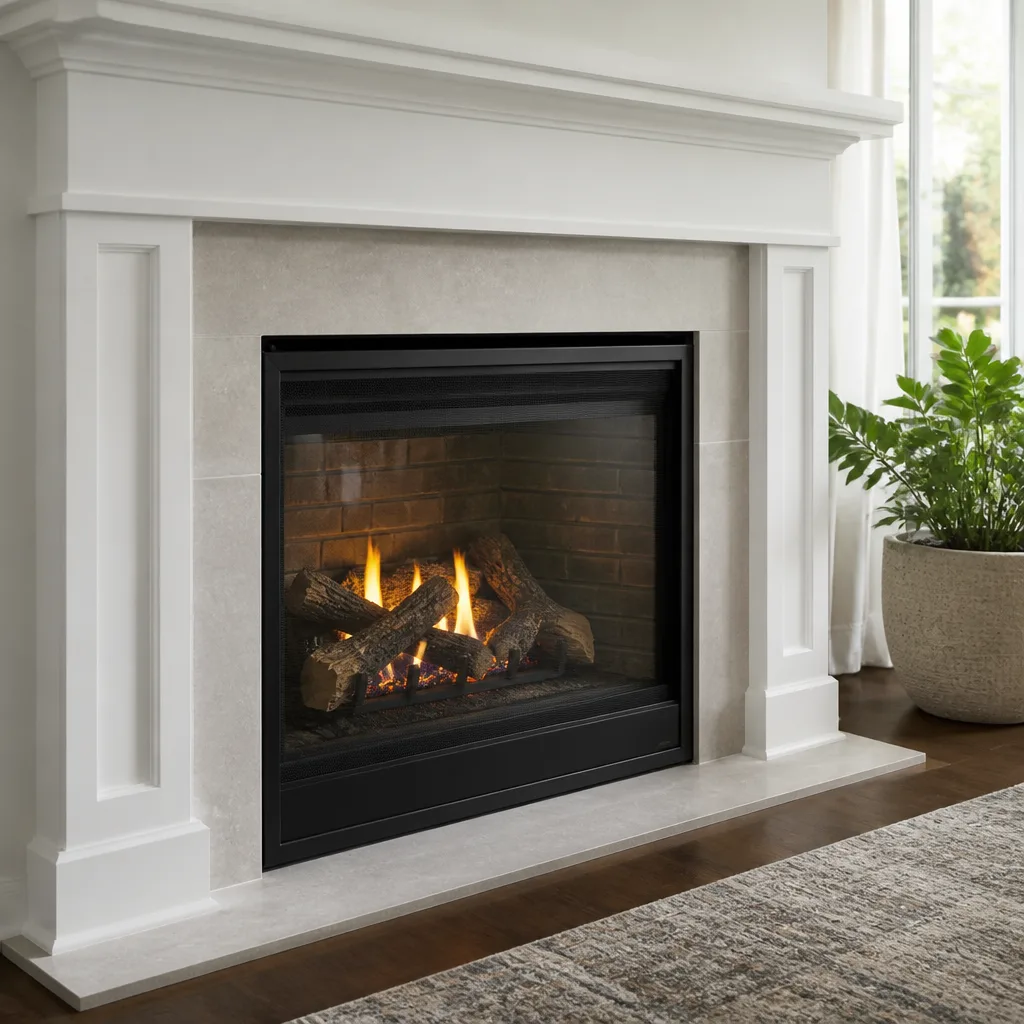 Gas fireplace service
Level 1 sweep and inspection to the NFPA 211 annual standard - flue, crown, cap, and flashing checked and photographed
Chimney sweep logs do not sweep chimneys. They loosen some creosote - which then falls where a brush and vacuum still have to collect it.
Chimney Cleaning Permits, Codes & Inspections in Upper West Side, NY: What You Need to Know
Relining a chimney in New York City without a Department of Buildings permit isn’t a paperwork slip you fix later. It’s a condition that can void a homeowner’s fire insurance coverage and, in a co-op, trigger a board default proceeding. The confusing part is that a routine cleaning and a liner replacement sit on opposite sides of the line, and both get described as “chimney work” in casual conversation. On the Upper West Side, where prewar buildings, landmark blocks and co-op alteration agreements all layer on top of the city code, knowing which side of that line your job falls on protects you from stop-work orders and sale-closing surprises. This guide sorts the permit-exempt work from the filings, explains what a licensed sweep and a registered contractor each cover, and shows what to do about work a previous owner left unpermitted.
Quick Answer
In Upper West Side, NY, routine chimney cleaning and inspection do not require a DOB permit. Liner replacement, structural chimney repair, and connecting a new or replacement solid-fuel appliance generally do require a filing with the NYC Department of Buildings, and exterior work on a landmark or historic-district building may also need Landmarks Preservation Commission review. A permitted job is done by a DOB-registered contractor using industry-grade materials such as DuraFlex or Olympia Chimney, and the final inspection is what closes the permit out.
Styles & brands we work with
- Sweep & inspection
- Caps & crowns
- Flue relining
- Masonry repair
- Gas fireplace service
Table of Contents
- Is chimney cleaning permit-exempt in NYC?
- What triggers a DOB filing: liner, repair, appliance
- NYC Fire Code 603 and residential fireplaces
- DOB-registered contractor vs. certified sweep
- Landmark and historic district rules on the Upper West Side
- What a proper inspection covers
- Unpermitted work and the legalization pathway
- Co-op and condo considerations
Is chimney cleaning permit-exempt in NYC?
Yes. A chimney sweep in Upper West Side, NY is not a permitted activity under the NYC Construction Codes. Sweeping is maintenance: it removes creosote, soot and obstruction from a flue that already exists and isn’t being altered. Nothing about a brush and vacuum changes the structure, the fuel type or the appliance connection, so there’s no filing to make and no inspection to schedule with the Department of Buildings.
That exemption holds as long as the work stays maintenance. The moment a job crosses into changing or adding to the chimney system, the permit picture changes. The practical test is simple: are we removing what’s inside the flue, or are we changing what the flue is made of or what’s connected to it? Cleaning is the first. Relining, rebuilding a crown, replacing a cap that involves structural work, or swapping an appliance is the second.
Homeowners on the Upper West Side often ask whether a sweep needs to coordinate with their building’s management office for a cleaning. That’s a building-rule question, not a DOB one. Many co-ops require notice before any contractor enters, and some ask for a certificate of insurance from the technician’s firm. We’re glad to supply documentation before a visit so the front desk has what it needs.
One more distinction worth holding onto: a cleaning is also not an inspection. They get bundled in conversation, but a cleaning clears the flue and an inspection evaluates it, and only the inspection produces the written record you’d want for insurance, a sale, or a repair decision. Treating a sweep as proof of condition is where homeowners get into trouble.
What triggers a DOB filing: liner, repair, appliance
A liner replacement, structural chimney repair, or a new or replacement solid-fuel appliance connection generally requires a filing with the NYC Department of Buildings. This is where most Upper West Side permit confusion lives, because a homeowner hearing “we need to reline” doesn’t realize that recommendation has a regulatory step attached.
Here’s how the categories usually break down:
- Liner installation or replacement: a change to the flue system, so it’s a filed job. DuraFlex flexible liner systems are what we specify for chimneys with offsets or tight configurations, because the liner has to pass through the existing geometry without being crushed or jointed in a way that compromises it. DuraFlex liners are rated for wood, gas and oil appliances, which matters in a building where the same stack may serve different fuel types.
- Structural chimney repair: rebuilding a crown, repairing masonry above the roofline, or correcting a flue that’s cracked or spalling. This is construction work and is filed accordingly.
- Appliance connection: installing or replacing a wood stove, insert, or a gas or oil appliance vented into the chimney. The appliance and its venting are regulated together.
- Cleaning, sweeping, and standalone inspection: no filing. Maintenance and evaluation only.
We’re careful about which filing applies rather than promising a specific form before we’ve seen the chimney. The right application depends on the scope: a liner swap on an existing chimney is a different filing than structural work that changes the chimney’s footprint or height. The written scope of work drives the application, which is one reason we put the scope in writing before anything is submitted.
For a homeowner, the takeaway is this: ask any contractor whether the job they’re proposing requires a DOB filing, and ask who is making it. A firm that answers vaguely, or suggests the filing isn’t really necessary, is telling you something about how the rest of the job will go. When you call Chimney Sweep Upper West Side, we’ll tell you plainly which category your job falls into.
NYC Fire Code 603 and residential fireplaces
NYC Fire Code Section 603 governs solid-fuel-burning appliances, and it applies to your Upper West Side fireplace whether or not you think of it as an appliance. The section covers installation, clearances, venting and the maintenance obligations that come with operating a solid-fuel appliance in the city. It’s the reason a wood-burning fireplace isn’t treated as decorative trim.
The distinction that trips people up is between a fireplace that’s actually used for solid fuel and one that’s been closed off or converted to decorative use only. If the firebox is sealed, the damper is fixed shut, and nothing burns in it, the maintenance obligations that attach to a working solid-fuel appliance don’t apply the same way. But that conversion has to be genuine. A fireplace that’s merely unused, with the damper still operable and the flue still open, is still a chimney that can accumulate creosote from prior use and still admits water and animals if the cap is missing.
For active fireplaces and wood-burning inserts, Fire Code 603 points toward the maintenance you’d expect: the appliance and venting kept in good repair, the flue kept clear, and the system checked before the heating season. That’s the seasonal urgency in New York. The first cold snap in October or November is when everyone on the Upper West Side lights the first fire of the year, and it’s also when a blocked or heavily creosoted flue announces itself. Booking a sweep before the season starts, rather than after the first smoke-back into the living room, is the difference between a routine visit and a scramble.
The climate here isn’t a desert and it isn’t a coastal salt environment; it’s a four-season city where chimneys see freeze-thaw cycles on the masonry above the roofline and summer humidity working on any crack that water has already found. Fire Code compliance and physical condition are two separate questions, and a good inspection answers both.
DOB-registered contractor vs. certified sweep
A DOB-registered contractor is the entity legally able to pull permits and perform filed work in New York City. A certified sweep is a technician credentialed for cleaning and inspection. Some jobs legally require the first, and the best outcomes use both. They are not the same thing, and the difference matters when you’re hiring.
Think of it as two separate questions:
- Who is allowed to file and perform this work? For a liner replacement or structural repair, that’s a contractor registered with the NYC Department of Buildings. The registration is what lets the permit be issued and the job be inspected at completion.
- Who is qualified to evaluate the chimney and tell you what it needs? That’s the technician doing the inspection, and recognized certification is the signal to look for. The local professional we connect you with is licensed and insured as their state requires, and we’ll always tell you whether your specific job needs a registered filing contractor or only a qualified sweep.
Why does this get muddled? Because a competent chimney firm often does both, and a homeowner may never see the seam. The seam becomes visible when something goes wrong: an unpermitted liner installed by someone who wasn’t registered, discovered at a sale or an insurance review, is a problem the homeowner inherits.
In our experience, the useful question to ask any firm is not “are you certified” alone but “for this specific job, are you registered to file it, and will the final inspection be part of the scope?” A firm that can explain the difference, in plain language, about your chimney, is the one worth hiring. When you call (833) 482-6118, we answer 24/7 and can walk through which category your job falls into.
Landmark and historic district rules on the Upper West Side
Large parts of the Upper West Side sit within historic districts, and exterior work on a designated building can require Landmarks Preservation Commission review on top of any DOB filing. That includes chimney caps and exterior masonry repair when they’re visible from the street or affect a protected facade. Interior work generally falls outside LPC jurisdiction, but exterior work does not.
The Upper West Side’s building stock is the reason this comes up so often. Brownstones, prewar apartment houses and rows of rowhouses carry original masonry chimneys that are visible from the street and are exactly the kind of feature historic district rules exist to protect. Replacing a cap with something visually different, or repairing brickwork with a mortar or color that doesn’t match, can be a landmarks question even when the physical work is minor.
Practically, the sequence matters:
- Determine whether the building is in a historic district or individually designated. Your building’s management or the LPC’s public records settle this.
- Separate interior work (flue cleaning, liner installation) from exterior work (cap, crown, masonry, roofline repair).
- If exterior work is proposed, find out whether LPC review is required before the work starts, not after.
- Get the DOB filing and any landmarks approval coordinated so the job isn’t stopped mid-scope.
We handle the chimney side of this and are upfront when a job needs approvals beyond our scope. The mistake to avoid is assuming a small cap replacement is automatically exempt because it’s small. Size isn’t the test; visibility and designation are. A chimney cap & crown replacement that solves a water problem is still worth doing, and getting the approval question right up front keeps it a straightforward job.
What a proper inspection covers
A proper chimney inspection covers three things: the condition of the flue interior, the condition of the exterior and its water-shedding components, and the appliance connection. Everything else is detail within those three. A cleaning tells you the flue is clear; an inspection tells you whether it’s sound, and those are different answers.
We perform inspections as a standalone service, which means you can get an honest assessment before committing to any repair. Here’s what the process looks like:
- Exterior check: cap, crown, flashing, masonry joints and any sign of water intrusion. A cracked crown or missing cap is the leading cause of chimney deterioration, and it’s visible without opening anything.
- Flue evaluation: camera inspection of the flue lining, looking for cracks, gaps, spalling and offset geometry. The photo record is what lets you see what we see.
- Appliance and connection review: how the fireplace or insert connects to the flue, clearances, and whether the venting matches the appliance’s fuel type.
- Written report: condition findings, what’s urgent, and what can safely wait. This is the document you’d want for insurance, a co-op alteration file, or a sale.
The report is where an inspection earns its keep. Nothing gets recommended without photographic evidence you can look at and question. And some findings genuinely can wait: a hairline crack that isn’t through the liner wall, a cap that’s intact but cosmetic, mortar that’s weathering but not failing. We say so plainly rather than converting every finding into a repair. Our technicians have up to 10 years of experience, and the point of that experience is knowing the difference between a problem and a note for next year.
Unpermitted work and the legalization pathway
If a previous owner did unpermitted chimney work, the pathway to legalizing it runs through the NYC Department of Buildings, and it’s worth starting before a sale rather than during one. Unpermitted liner installations, appliance swaps and structural repairs are common in older Upper West Side buildings, and they surface at the worst possible moment: a buyer’s inspection, an insurance review, or a co-op board’s alteration review.
The general shape of the process:
- Document what exists. An inspection with photographic records establishes what was actually installed, in what condition, and whether it’s safe to use in the meantime.
- Determine what should have been filed. Not every past job needed a permit, and not every unpermitted job is a problem. The scope of the original work decides.
- File for legalization or correct the work. Depending on what’s found, the path is either a filing that brings the existing installation into the record, or bringing the installation up to standard and then filing. Sometimes the liner is sound but unfiled; sometimes it was never installed correctly.
- Close it out with the required inspection. The permit closes when the work passes inspection. Until then, the record shows an open item, and that open item travels with the building in a sale.
We’ve seen the “sound but unfiled” case and the “never installed right” case, and they look identical from the living room. That’s the argument for camera inspection and a written report before anyone quotes a repair. If the liner is fine and only the paperwork is missing, you don’t need a new liner. If the liner is compromised, you need to know that for safety reasons whether or not you ever sell. Either way, a chimney repair scope should be written from evidence, not assumption.
For a homeowner with an active fireplace who wants to understand the sweep side of the equation first, the sensible first step is a chimney sweep and inspection to establish what’s there.
Co-op and condo considerations
In co-op and condo buildings, chimney work sits at the intersection of three sets of rules: the city code, the building’s alteration agreement, and whatever the management office requires for contractor access. Ignoring the second and third doesn’t make the work illegal, but it does make it a problem for you specifically.
- Alteration agreements: many co-ops require board approval for work that touches building systems, and a liner or masonry repair may qualify. Read your house rules before scheduling, not after.
- Contractor documentation: management offices commonly ask for proof of insurance and registration before allowing a contractor on the roof or into a mechanical shaft. Ask any firm you hire for this documentation early.
- Shaft and stack access: in a prewar building, the chimney may serve multiple units or run through a shared shaft. Access and scope questions get more complicated, and the building has a legitimate interest in how the flue is used.
- Record keeping: keep the inspection report and permit documentation. If you ever sell, or if the board reviews alterations, the paper trail is what resolves questions quickly.
The fire-safety angle deserves a plain statement here, because it’s the reason this matters beyond paperwork. A blocked or damaged flue can send carbon monoxide into living space, and accumulated creosote can ignite. Both are real risks in an active fireplace, and neither is a scare tactic: they’re the reasons the code requires the inspection and maintenance it does. A trained professional should evaluate a flue you have any doubt about. That’s not a job for a homeowner with a flashlight.
If your fireplace has been unused for years and you’re planning to light it again, treat it as unknown until inspected. That’s true in any building, and especially true where a prior owner’s work may never have been documented.
Common Mistakes to Avoid
- Assuming a cleaning means the chimney is safe. A clean flue can still be cracked, and a cleaning doesn’t test the liner. Ask for the inspection report, not the receipt.
- Relining without checking the permit requirement. A liner replacement is a filed job in NYC, and an unfiled liner is a problem you inherit at sale. Confirm who is filing before work begins.
- Hiring on price alone for a filed job. A firm that isn’t registered to pull the permit can’t legally close the job out, whatever the quote says. Registration is a qualification, not a formality.
- Ignoring landmarks review on an Upper West Side exterior job. Replacing a cap or repointing masonry on a designated building without the required review can mean redoing it, or worse, a stop-work order.
- Letting a missing cap or cracked crown sit. Water intrusion is the leading cause of chimney deterioration, and it’s far cheaper to fix the cap than the masonry below it. This is the one finding that’s almost always worth acting on promptly.
- Skipping the inspection because you “just want it cleaned.” The cleaning is the easy part. The report is what tells you whether the fireplace is genuinely safe to burn.
- Discovering past unpermitted work at the closing table. If you suspect a prior owner altered the chimney, get it documented now, while you have time to choose the legalization pathway rather than scrambling into one.
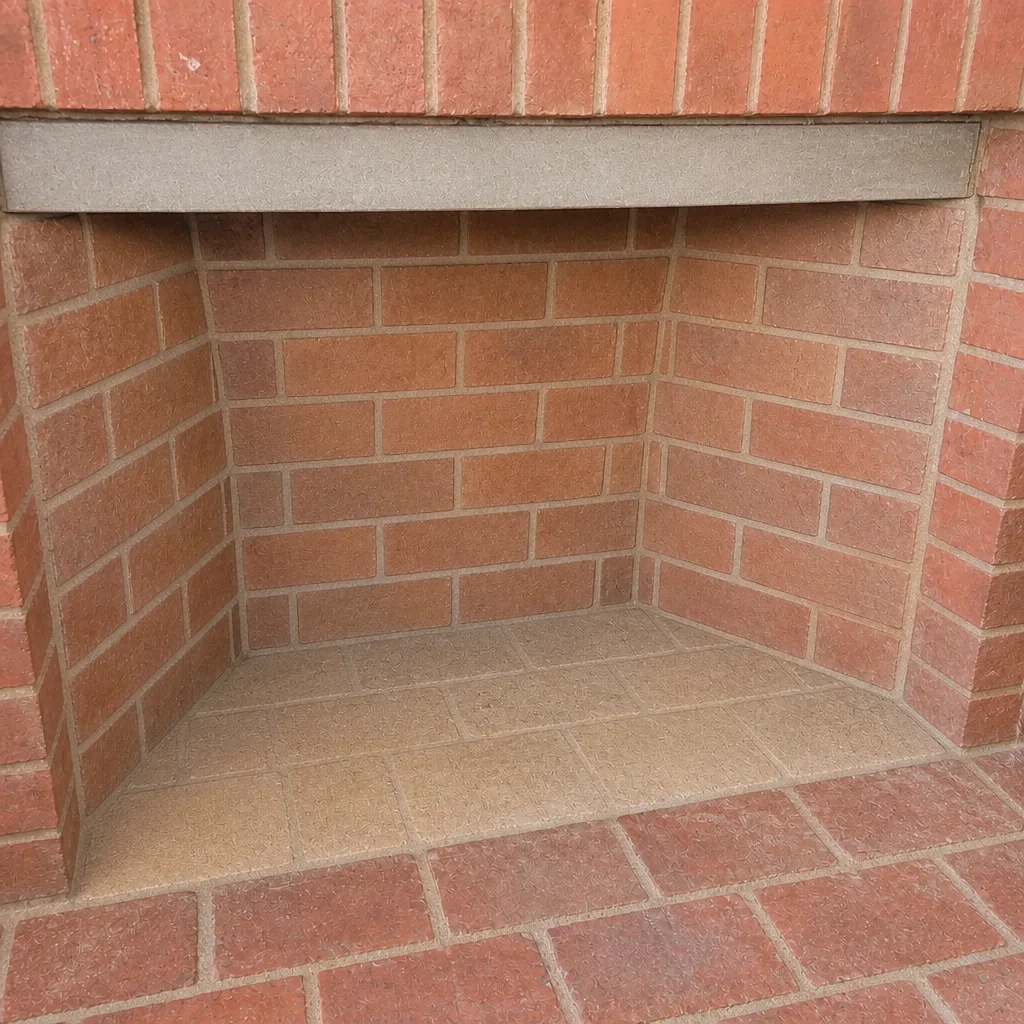
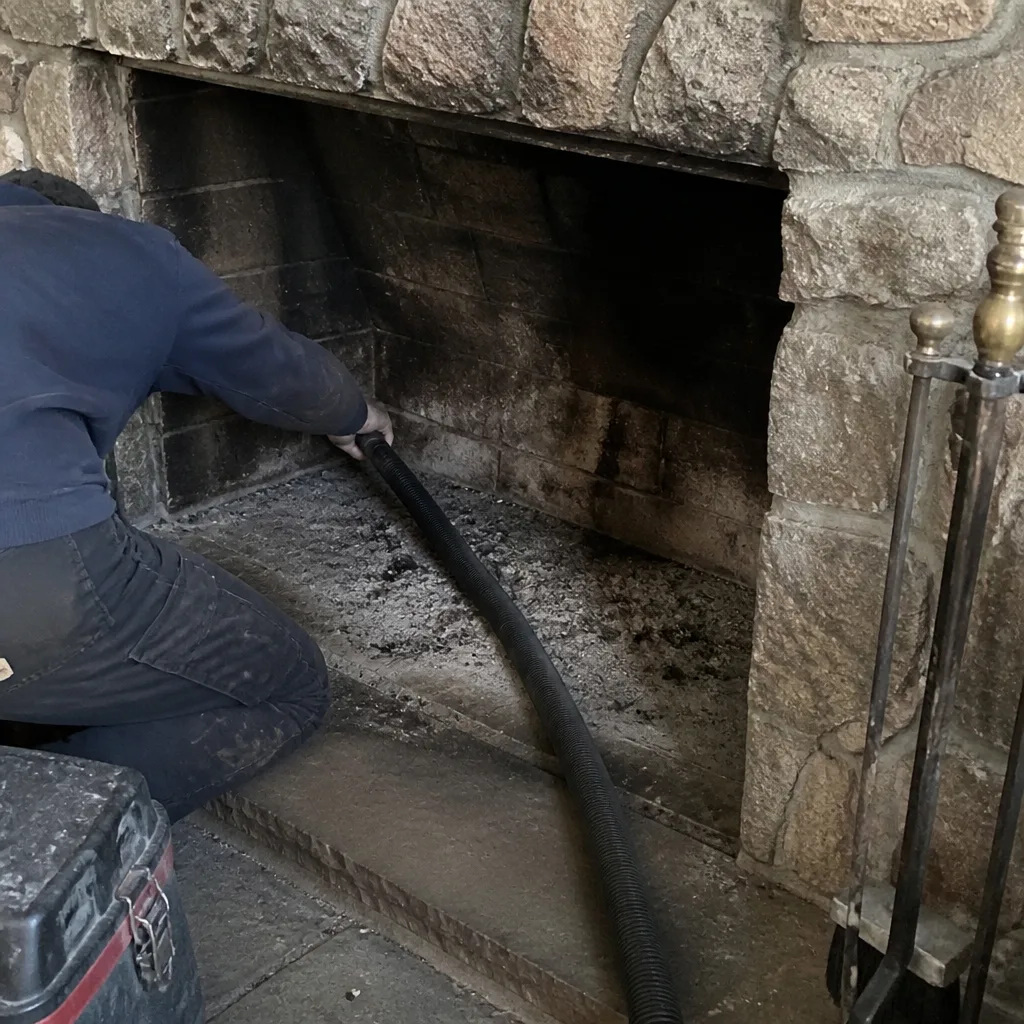
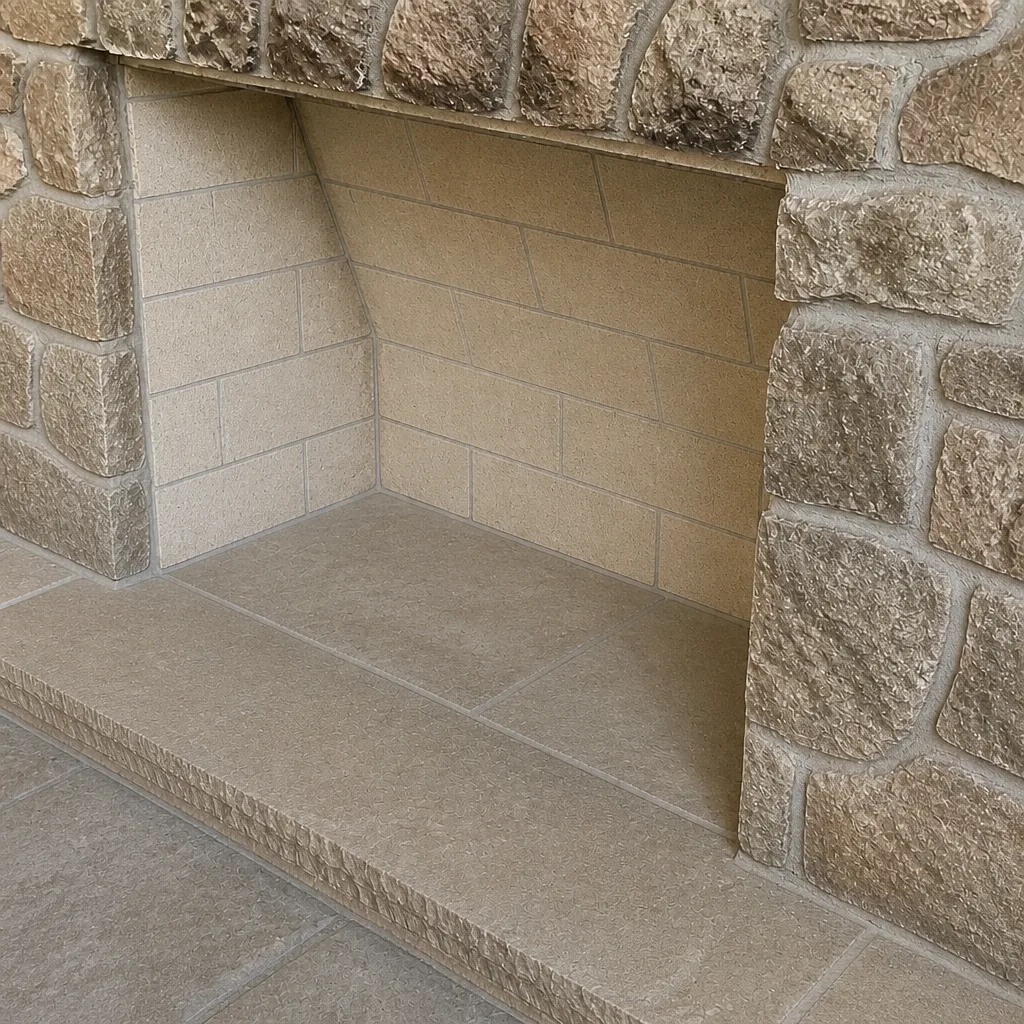
See the difference
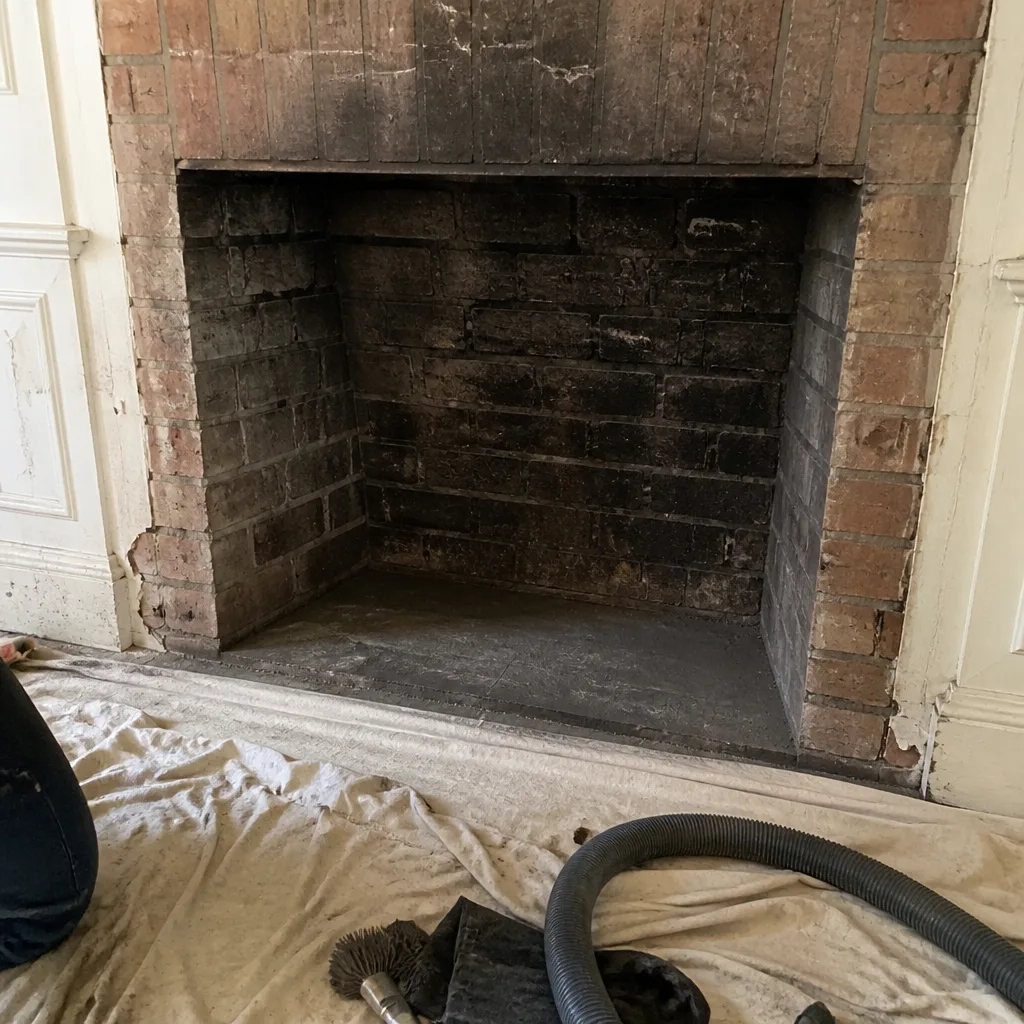 Before
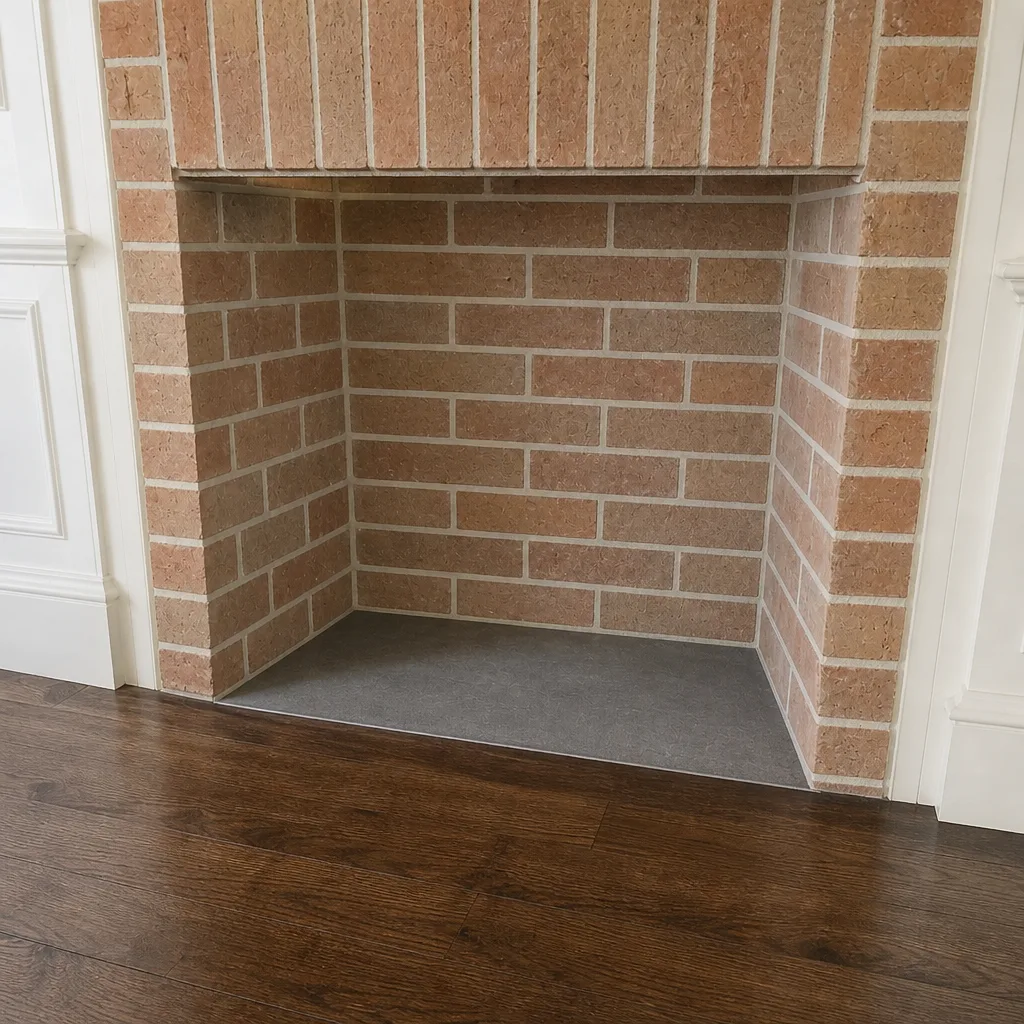 After
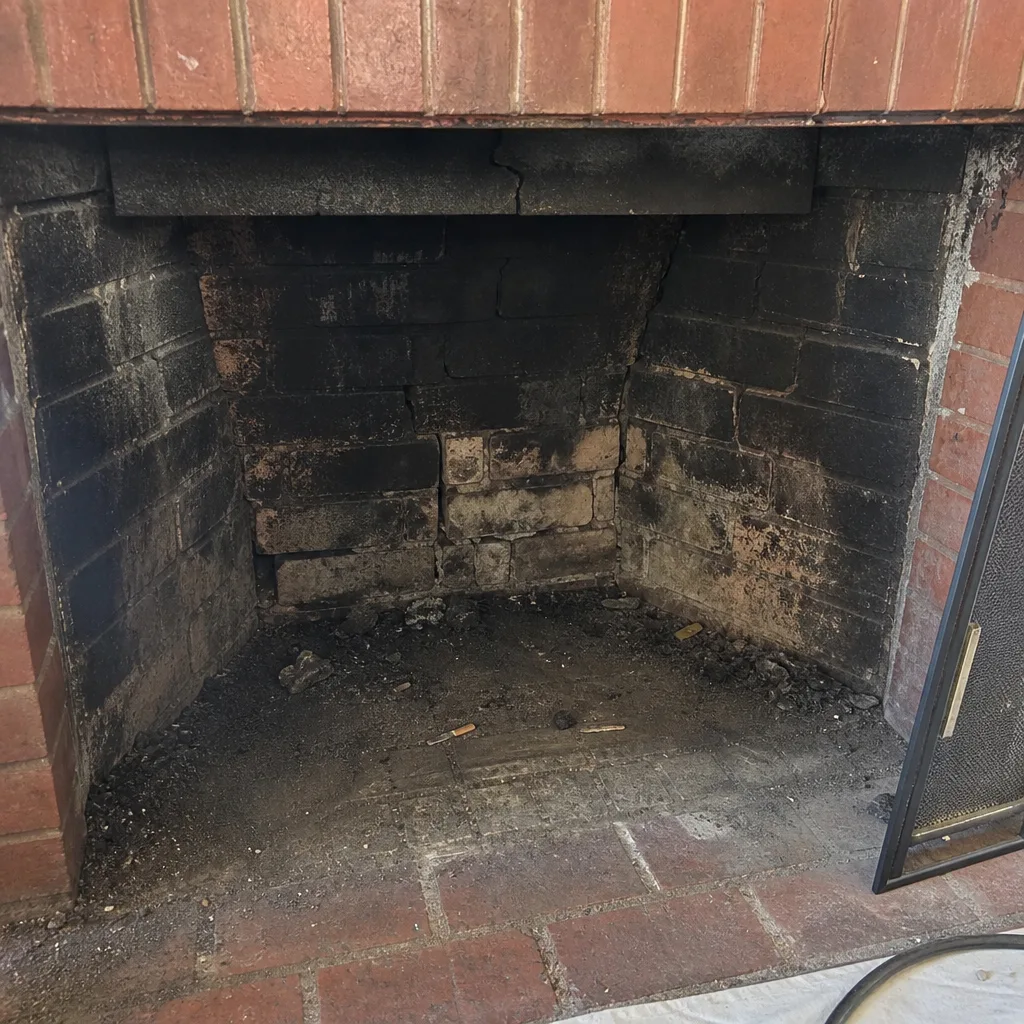 Before
 After
 Before
 After
When to Call a Professional
Call a professional if you haven’t had the flue inspected in some time and you burn regularly, if smoke backs into the room when you light a fire, if you notice a strong creosote smell in warm weather, if the cap is missing or the crown is cracked, or if a prior owner’s chimney work has no documentation. Call before the heating season rather than after. And call before you buy or sell a property with a wood-burning appliance, so the condition is on the record either way. Anything involving a liner, structural repair or appliance connection should be handled by a trained professional with the right credentials; a cracked flue or a blocked vent isn’t a homeowner repair. Chimney Sweep Upper West Side offers free estimates in Upper West Side. Call (833) 482-6118. We answer 24/7. Fast dispatch from 7am to 7pm, Sunday through Friday. A call outside dispatch hours is booked into the next opening, Sunday through Friday, 7am to 7pm.
Frequently Asked Questions
No. Chimney cleaning is maintenance and doesn’t require a NYC DOB permit, and neither does a standalone inspection. Permits come into play when the job changes the chimney system, such as a liner replacement, structural repair, or an appliance connection. Call (833) 482-6118 for an exact quote on a cleaning or inspection – estimates are free.
Generally, yes. A liner installation or replacement changes the flue system, which puts it in the filed category with the NYC Department of Buildings, and the job closes out with the required inspection. The scope of your specific liner job determines the exact filing, so it’s worth confirming in writing before work starts. Call (833) 482-6118 for an exact quote – estimates are free.
A DOB-registered contractor can file and perform permitted work in New York City; a certified sweep is credentialed to clean and inspect. Filed work such as a liner replacement requires the registered contractor, while evaluation and maintenance are the sweep’s territory. Many jobs need both, which is why we explain which applies to yours. Call (833) 482-6118 for an exact quote – estimates are free.
Sometimes. If the building is in a historic district or individually designated, exterior work visible from the street, including a cap replacement or masonry repair, may require LPC review on top of a DOB filing. Interior work usually falls outside LPC jurisdiction. The designation and visibility decide it, not the size of the job. Call (833) 482-6118 for an exact quote – estimates are free.
You can typically legalize it through the NYC DOB, either by filing the existing installation into the record if it’s sound, or by bringing it up to standard and then filing. An inspection with photographic records is the first step, because it separates a paperwork gap from a genuine safety problem. Starting before a sale is far easier than discovering it during one. Call (833) 482-6118 for an exact quote – estimates are free.
An annual inspection is the standard baseline for an actively used fireplace, and older masonry chimneys in a four-season climate are the case for keeping to it. Between inspections, watch for a missing cap, cracked crown, smoke-back, or a creosote smell in warm weather. If anything looks off, get it looked at, and if it’s been years, treat the flue as unknown until inspected. Call (833) 482-6118 for an exact quote – estimates are free.
The Bottom Line
In Upper West Side, NY, the permit question comes down to one distinction: are you maintaining an existing flue or changing it? Cleaning and inspection are maintenance, and no DOB filing is needed. A liner replacement, structural repair, or appliance connection is a filed job, done by a DOB-registered contractor, and possibly subject to landmarks review if the building is designated and the work is exterior. Set that alongside NYC Fire Code Section 603’s maintenance obligations for solid-fuel appliances, and the picture is clear. Keep the inspection report, keep the permits, and document any past work you inherit. Our technicians have up to 10 years of experience, and we’ll tell you plainly which category your job falls into before anything is filed. Call (833) 482-6118 for a free estimate. We answer 24/7. Fast dispatch from 7am to 7pm, Sunday through Friday.
Written by the team at Chimney Sweep Upper West Side.