
Last updated November 25, 2026
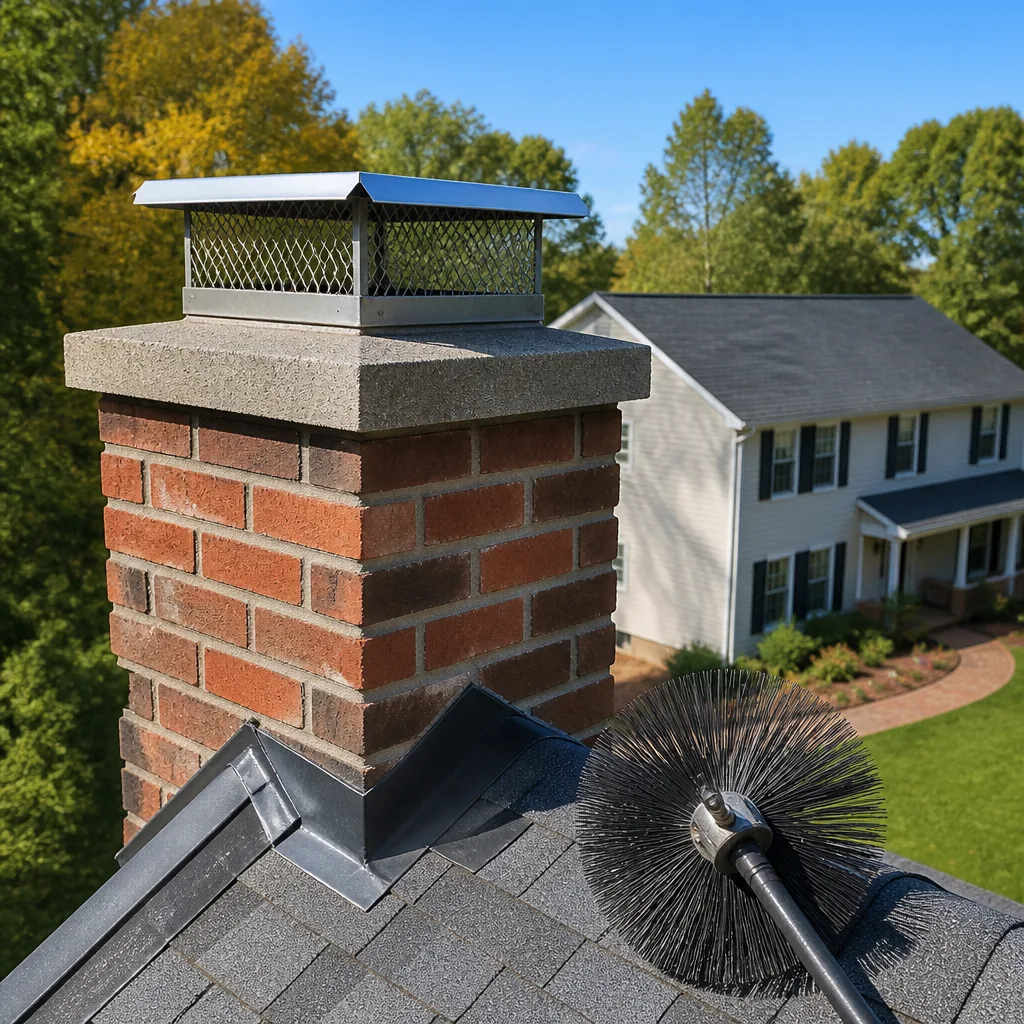 Sweep & inspection
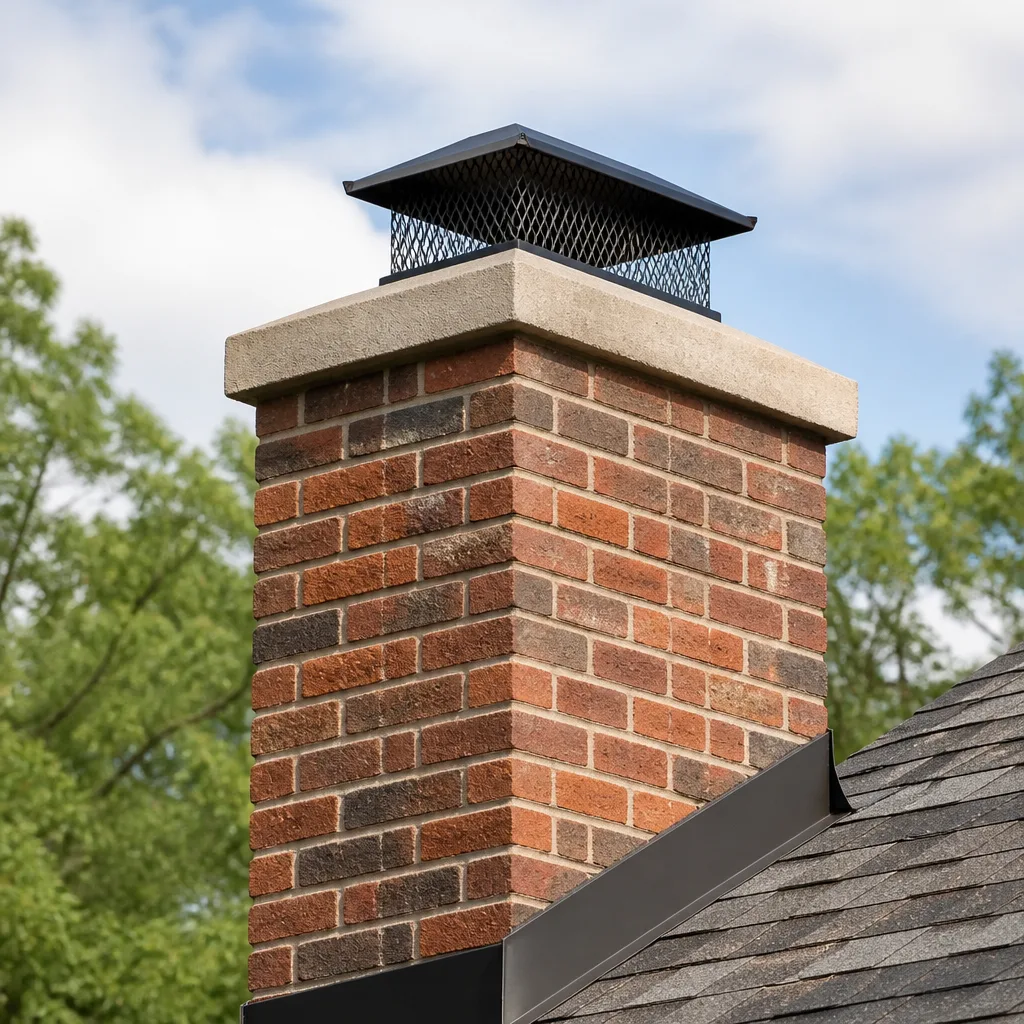 Caps & crowns
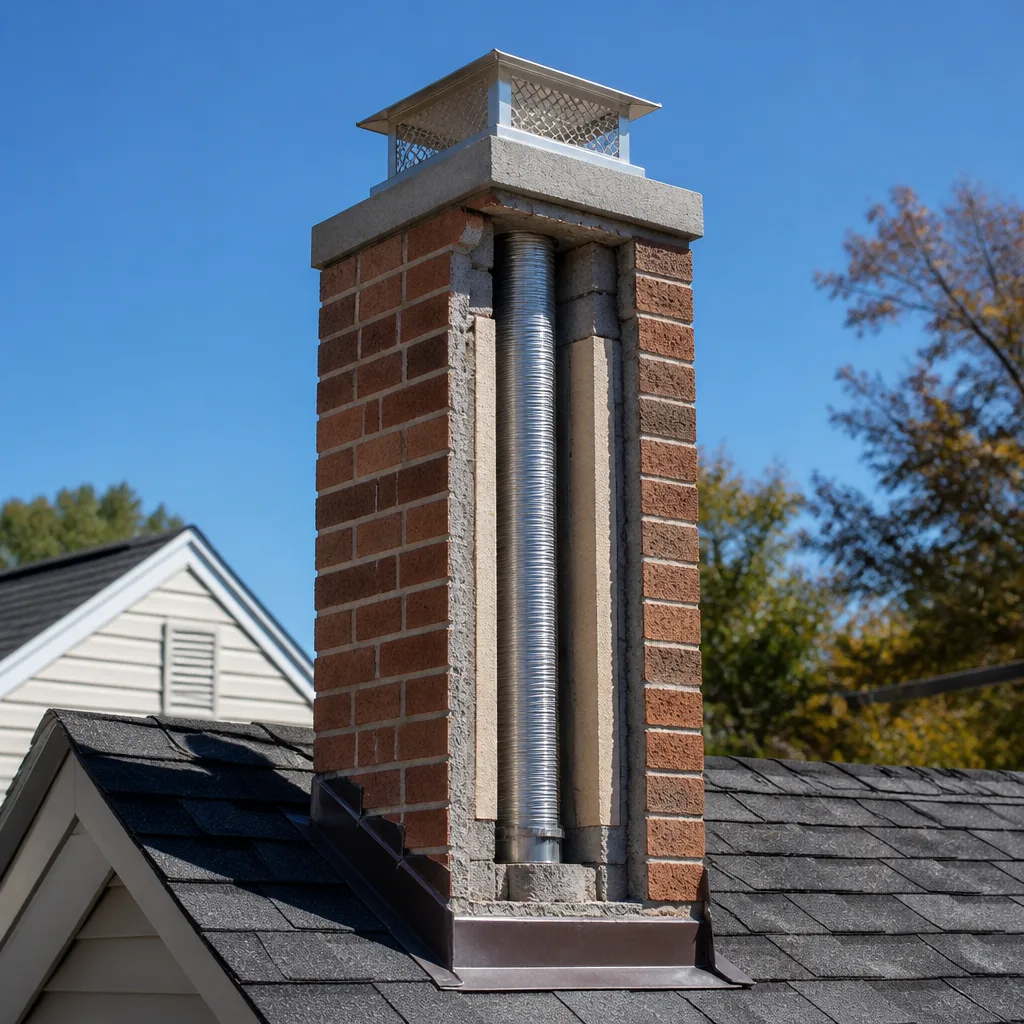 Flue relining
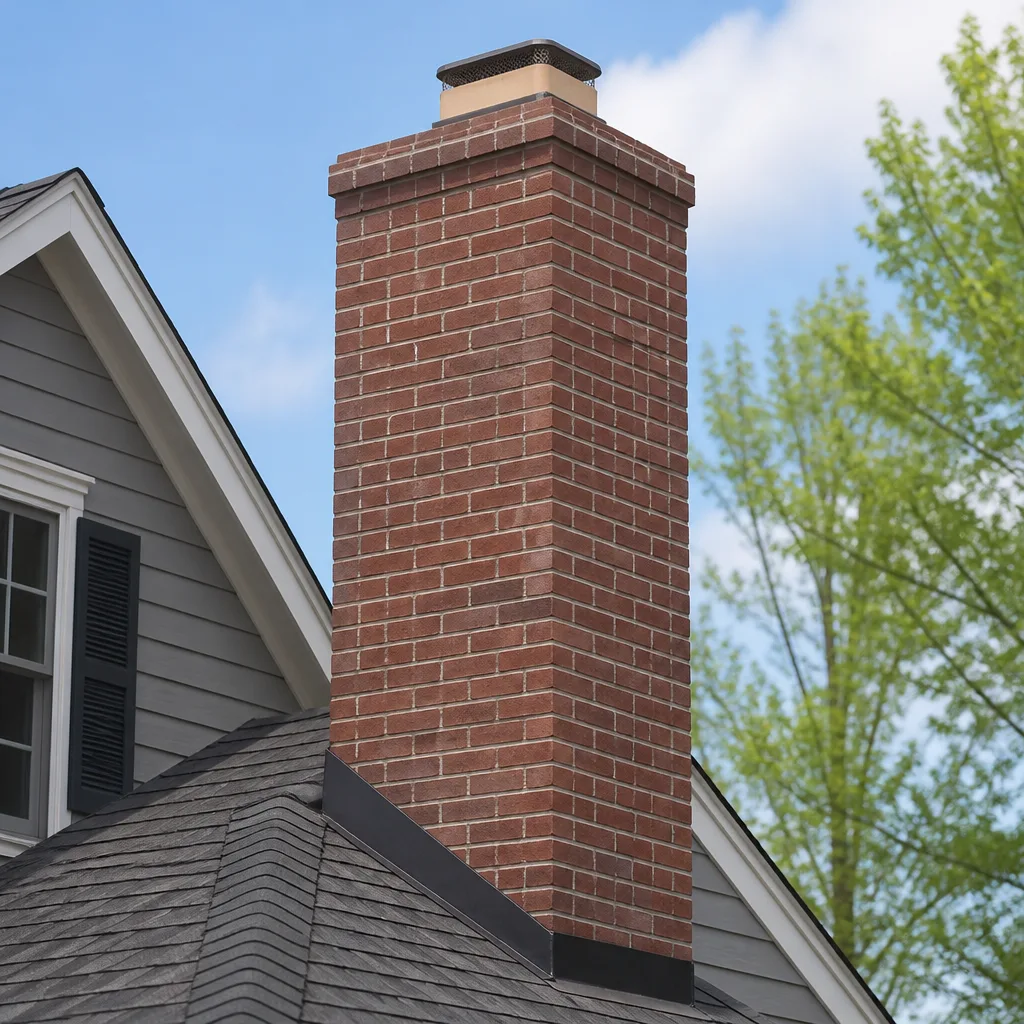 Masonry repair
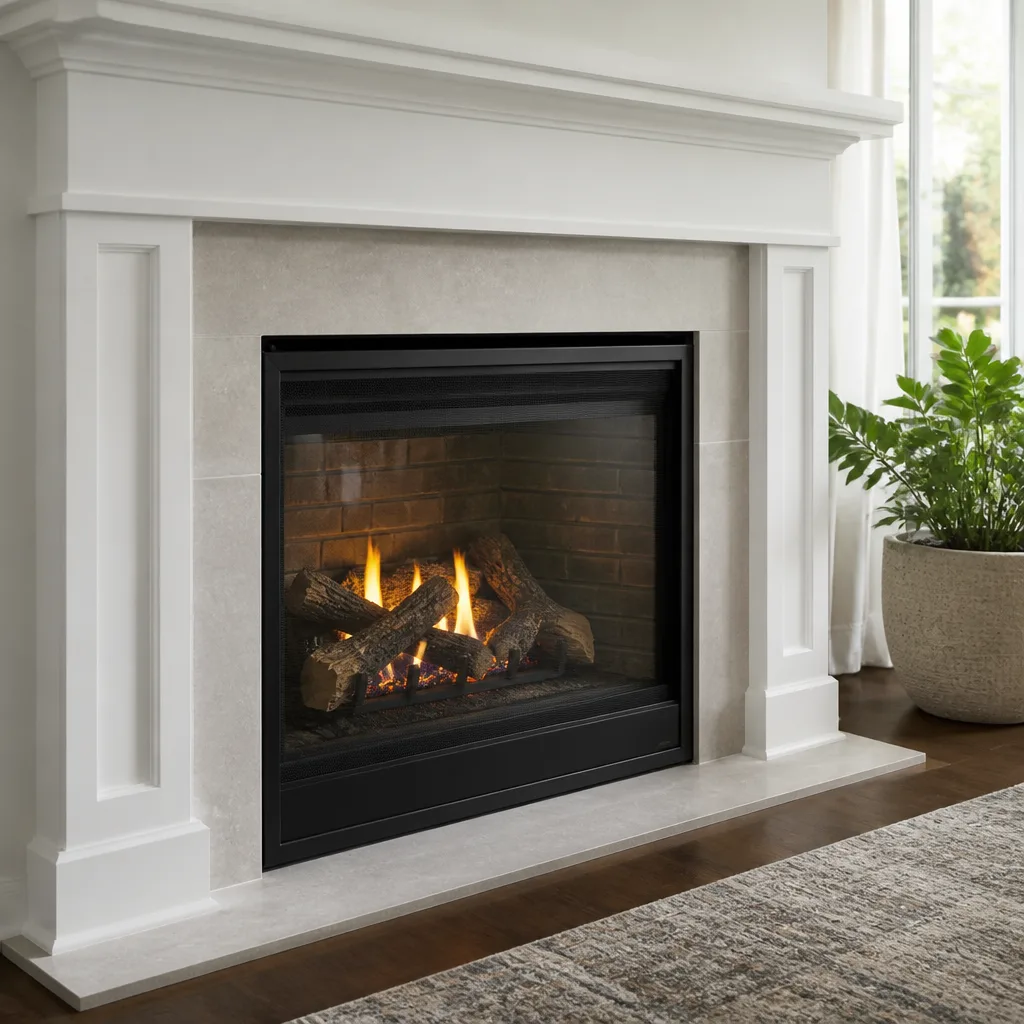 Gas fireplace service
Level 1 sweep and inspection to the NFPA 211 annual standard - flue, crown, cap, and flashing checked and photographed
Chimney sweep logs do not sweep chimneys. They loosen some creosote - which then falls where a brush and vacuum still have to collect it.
DIY vs Professional Chimney Cleaning: The Upper West Side Homeowner’s Decision Guide
A homeowner with a chimney brush can remove loose creosote deposits. That part is true, and nobody in this trade should pretend otherwise. What that same homeowner cannot do is look at a flue tile and tell the difference between a hairline crack and a cosmetic surface discoloration. That distinction matters more than any brush stroke, because a cracked flue tile is a carbon monoxide pathway, not a stain. In Upper West Side prewar buildings, where flues are often original to the structure and tucked behind finished plaster, that inspection gap is the real risk. This guide draws a precise line: what you can legitimately handle yourself, what a brush cannot see, and when to book a sweep.
Quick Answer
DIY chimney cleaning can remove loose, first-degree creosote from the accessible stretch of flue you can reach, but it cannot assess flue tile condition, remove glazed creosote, evaluate the smoke chamber, or inspect the cap and crown from the rooftop. On the Upper West Side, rooftop access in prewar buildings and debris containment in finished apartments make DIY cleaning impractical for most residents anyway. The actual value of a professional visit is the inspection, not the scrubbing.
Styles & brands we work with
- Sweep & inspection
- Caps & crowns
- Flue relining
- Masonry repair
- Gas fireplace service
Table of Contents
- What DIY Chimney Cleaning Actually Accomplishes
- What DIY Cleaning Cannot Do
- NYC-Specific Barriers to DIY Cleaning
- The Insurance and Liability Angle
- The Legitimate DIY Role: What You Should Check Yourself
- What a Professional Visit Covers From Start to Finish
- How to Decide: A Step-by-Step Framework
- Common Mistakes to Avoid
What DIY Chimney Cleaning Actually Accomplishes
Let’s be fair to the brush. A properly sized chimney brush, run through an accessible flue, does real work. It scrapes away the fluffy, soot-heavy creosote that builds up in the first stage of accumulation, sometimes called first-degree creosote, the kind that flakes off in black crusts. In a flue that has burned dry, well-seasoned wood and been swept regularly, that deposit is most of what’s there.
If that’s your chimney, a homeowner with the right tools can genuinely remove a meaningful portion of the buildup. Here’s what a competent DIY cleaning involves:
- The correct brush diameter. A brush too large won’t move through an offset or flue transition; too small and it skips the walls. Flue liners come in specific dimensions, and the brush has to match.
- Soot containment. Drop cloths, a sealed vacuum, and a plan for keeping fine black dust out of finished rooms.
- Roof access. Top-down sweeps are standard because they keep the mess moving away from the living space. That means getting on the roof.
- A visual pass. A flashlight run up the flue to look for obvious obstruction, bird nests, or heavy buildup.
If you’re in a brownstone on a side street off Amsterdam with a straight flue, good rooftop access, and a chimney that’s been swept on a regular schedule, that’s about as DIY-friendly as this task gets. But if your building is a prewar co-op with a shared roof, or your flue has an offset, the accessible portion is only part of the story. For the full annual service that most Upper West Side fireplaces actually need, that maintenance should be booked as a chimney sweep with someone who can inspect as they clean.
What DIY Cleaning Cannot Do
A brush removes what it touches. That’s it. It cannot see, assess, or report. The gap between a swept flue and a safe flue is the inspection, and here’s what a brush physically cannot do:
- Remove glazed creosote. When creosote bakes onto a flue wall and hardens into a glassy, tar-like coating, sometimes called third-degree creosote, a brush skates over it. It needs chemical treatment or mechanical removal by a technician who knows how to handle it. Glazed creosote is the highly combustible kind, which is why it’s the real fire concern.
- Inspect the smoke chamber. That sloped cavity above the firebox is where turbulence slows smoke and deposits collect. It needs a mirror or camera to see properly, and it’s a common area for hidden damage.
- Assess flue tile condition. This is the crux of the whole debate. A hairline crack in a clay flue tile, or a failed mortar joint between tiles, creates a path for combustion gases, including carbon monoxide, into the building’s structure. From inside the flue with a flashlight, a crack and a surface stain look nearly identical. Only an experienced eye with good light and the right angle can tell them apart.
- Evaluate the cap and crown from above. The crown, the concrete cap at the top of the chimney, is where water intrusion usually starts. A cracked crown lets water in, and repeated freeze-thaw cycles in New York winters turn a small crack into spalling brick and masonry damage. You cannot assess the crown from the firebox.
- Check the cap and screen. A missing or damaged cap invites rain, birds, and squirrels into the flue. A properly fitted chimney cap & crown is water protection and animal exclusion in one piece.
In our experience, the homeowner who calls us after a self-cleaning is usually confident the flue is fine, and sometimes it is. But we’ve also seen fireboxes that looked clean from below turn out to have internal masonry spalling and cracked flue tiles that the brush never touched and the flashlight never caught. The brush cleaned the flue. The flue still wasn’t safe to burn.
NYC-Specific Barriers to DIY Cleaning
Even if you own every tool and know every step, the Upper West Side itself throws obstacles in the way. Rooftop access here isn’t a suburban matter of leaning a ladder against your own house. In a prewar co-op or condo building on West End Avenue or Riverside Drive, the roof is common property. Getting to it means coordinating with building management, and most buildings aren’t going to hand a ladder to a resident who wants to sweep a flue on a shared roof.
Then there’s the logistics inside the apartment:
- Elevator and common area rules. Buildings typically require certificates of insurance from any contractor working in common areas, and they generally won’t grant that to a resident. Professional sweepers carry the coverage building management asks for; a homeowner with a brush does not.
- Debris containment in finished interiors. Upper West Side apartments are finished spaces. Soot is a fine, static-clinging dust. Without professional containment, a DIY sweep leaves black traces on plaster, furniture, and curtains that are difficult to remove.
- Shared flues in prewar buildings. Older buildings sometimes have flues that serve more than one apartment or appliance, and offsets that a straight brush can’t navigate. The building’s flue isn’t a straightforward vertical tube, and a homeowner has no practical way to confirm the layout.
- Winter access. The best time to sweep is before heating season, but rooftop access and weather windows are limited, and building management schedules fill up.
This is why the practical decision on the Upper West Side usually lands on professional service, not because residents are incapable but because the building itself makes DIY unreasonable. The five boroughs are full of buildings where a straightforward job becomes a logistical project, and our Chimney Sweep Upper West Side service exists precisely because of that reality.
The Insurance and Liability Angle
This is the question nobody asks until after something goes wrong: if a chimney you cleaned yourself later causes a fire, does your insurance cover it?
Honest answer: standard homeowner and condo policies in New York generally cover accidental fire losses, but coverage isn’t automatic and much depends on the policy language and the circumstances. Insurers look at whether the homeowner maintained the chimney reasonably. A fire traced to years of un-swept creosote buildup can draw scrutiny, and a denied claim for neglect is a real risk in that scenario. An insurer may argue that a reasonable homeowner would have gotten a professional sweep and inspection. Whether that argument holds up depends on your policy, and we’re not insurance adjusters, so we’d tell you to read your policy carefully and ask your carrier directly.
What we can tell you plainly: professional sweeps leave a documented record. A written report with photos of the flue condition and what was found on a given date is evidence of reasonable maintenance. If there’s ever a fire, that record tells a clear story. A DIY sweep leaves no record at all. The homeowner who documented a professional inspection has a paper trail; the homeowner who cleaned their own flue has nothing but their memory.
Liability runs the other direction too. If you’re in a co-op and a DIY sweep damages shared building structure, or a fire that starts in your fireplace spread to the building, you’ve created a potential liability issue with your neighbors and the building itself. The certificate of insurance professional sweepers carry is meaningful precisely because it shifts that risk off the homeowner and off the building.
The Legitimate DIY Role: What You Should Check Yourself
None of this means you should leave your chimney entirely to professionals. There’s real value in knowing your own fireplace, and certain checks belong in the homeowner’s hands. Treat these as a maintenance complement to professional service, not a replacement for it.
Here’s a reasonable homeowner routine, done between professional visits:
- Look in the firebox. Before you light the first fire of the season, and again after a few fires, look inside. You’re checking for loose mortar in the firebrick joints, cracked firebrick, or rust streaks. Rust in a firebox usually signals water getting in, which points back to the cap and crown up top.
- Test the damper. Open and close the damper to confirm it moves freely and seats properly. A damper that won’t close is a heat loss and a smoke problem; one that’s stuck shut is a ventilation problem. A simple operation check catches both.
- Check for obstruction. Shine a flashlight up the flue from below to look for obvious blockages, bird nests, or heavy soot flaking. Do not climb in or reach in past the damper; a visual check is the limit from this side.
- Remove ashes. Empty the firebox ash regularly, leaving a thin layer under the grate to help start fires. Never dump hot ashes into a standard trash can, and never leave them on the hearth or floor, where they can smolder for hours after you’ve left the room.
- Smell and look for signs when the fire burns. If smoke spills into the room when you light a fire, or if a fire smells sharp and smoky rather than burning cleanly, stop and call for professional inspection. A properly drawing flue shouldn’t push smoke back into the room.
- Keep the area around the fireplace clear. No furniture, no curtains, no decorations within the firebox’s clearance zone, and a working carbon monoxide detector in the living space.
These checks put you in touch with your fireplace’s condition and let you catch the obvious. They won’t tell you a flue tile is cracked. They will make it more likely you notice something’s off and call before a small problem becomes structural damage, which is the whole point.
What a Professional Visit Covers From Start to Finish
Here’s what actually happens on a professional call on the Upper West Side, because it’s more than a sweep. A proper visit combines cleaning, inspection, and the rooftop assessment that DIY can’t touch.
- Protect the space. A drop cloth or floor cover, sealed bagging, and a HEPA vacuum running through the visit keep the mess out of finished apartments. This is the part that matters most if you’ve ever had a DIY sweep.
- Sweep the flue. The correct brush diameter for your flue type and size, run through the full accessible length, top-down or bottom-up as the configuration requires. Loose soot and first-degree creosote come off; the technician notes what else is there.
- Inspect as they go. This is the professional version of the flashlight check, done with proper lighting, mirrors, and sometimes a camera. Flue tiles, mortar joints, the smoke chamber, and the firebox get a genuine assessment, not a glance. A standalone inspection is also an honest option if you just want a condition report.
- Get eyes on the cap and crown from the roof. The crown, cap, and screen are inspected from above, where the real condition is visible. A cracked crown, a rusting cap, or a missing screen gets caught here and nowhere else. When repairs are needed, quality cap and crown work is done with materials built for direct weather exposure, which is why we use brands like Gelco and Olympia Chimney.
- Report what they found, with photos. A professional visit ends with a written report and photos of the flue and roof condition. That’s your documentation.
- Handle the repair, if one is needed. If the inspection turns up a crack, a deteriorated flue lining, or a failed crown, the same specialist who found it can fix it. We work with HeatShield ceramic resurfacing to restore a damaged flue lining without a full rebuild, and with DuraFlex flexible liners when a chimney’s offsets make a standard liner impossible. You’re not passed to a different contractor for the repair.
When a professional visit does turn up structural work, the chimney repair scope follows directly from what the inspection found, and that’s the honest order to do things in.
How to Decide: A Step-by-Step Framework
You don’t need a perfect answer, just a defensible one. Here’s the framework we’d use for any Upper West Side fireplace:
- When was the last professional sweep? If it was within the last year and you burn regularly, you’re due. If you burn occasionally and had a full inspection recently, you can wait. A clean fireplace that hasn’t been professionally inspected in a couple of years is worth a check, no matter what the brush side of the argument says.
- Does your building allow rooftop access? If not, DIY cleaning isn’t really on the table. Skip to professional.
- Is your flue straight and accessible, or does it have offsets? A straight flue can tolerate a homeowner brush more than an offset one, but neither tells you what the tile looks like.
- Have you seen any signs of trouble? Smoke spillage, rust in the firebox, a smoky smell in the room, or visible loose creosote mean stop and call. Don’t sweep over a problem you don’t understand.
- Do you need documentation? Co-op board questions, insurance records, or a sale of the apartment may call for a written condition report. DIY can’t provide that.
If your answers point anywhere near “professional,” the Chimney Sweep Upper West Side link in the previous sections is the place to start, and then call us to book. The right answer is rarely “do nothing.”
Common Mistakes to Avoid
- Buying a brush without knowing the flue diameter. A generic “universal” brush skips the walls and does almost nothing. If you’re going to clean, measure the flue and match the brush; if you can’t measure it, that alone is a reason to call a professional.
- Confusing a clean firebox with a safe flue. A tidy firebox tells you nothing about the flue tile above the smoke chamber, which is where a crack creates a carbon monoxide pathway. The most dangerous flue is often the one that looks fine from below.
- Sweeping a chimney after a fresh creosote fire. If you’ve had a chimney fire, even a small one, the flue may be structurally damaged in ways a brush cannot see. Clean the firebox only after an inspection, not before.
- Burning unseasoned wood to speed things up. Wet wood produces more creosote, not less. On the Upper West Side, where firewood is often bought by the bundle with uncertain moisture content, season it or buy seasoned and ask the seller directly.
- Forgetting the cap and crown because the fire burns well. A chimney can draw perfectly while water is quietly working on the crown from above. Water intrusion, not fire, is the leading cause of chimney deterioration, and it’s invisible from the firebox.
- Assuming the co-op board’s “contractor insurance” rules make it pointless. The reverse is more accurate: the building’s requirements exist because contractors who work in shared buildings carry coverage and know the building’s access rules. That’s the professional’s job, not a reason to skip the sweep.
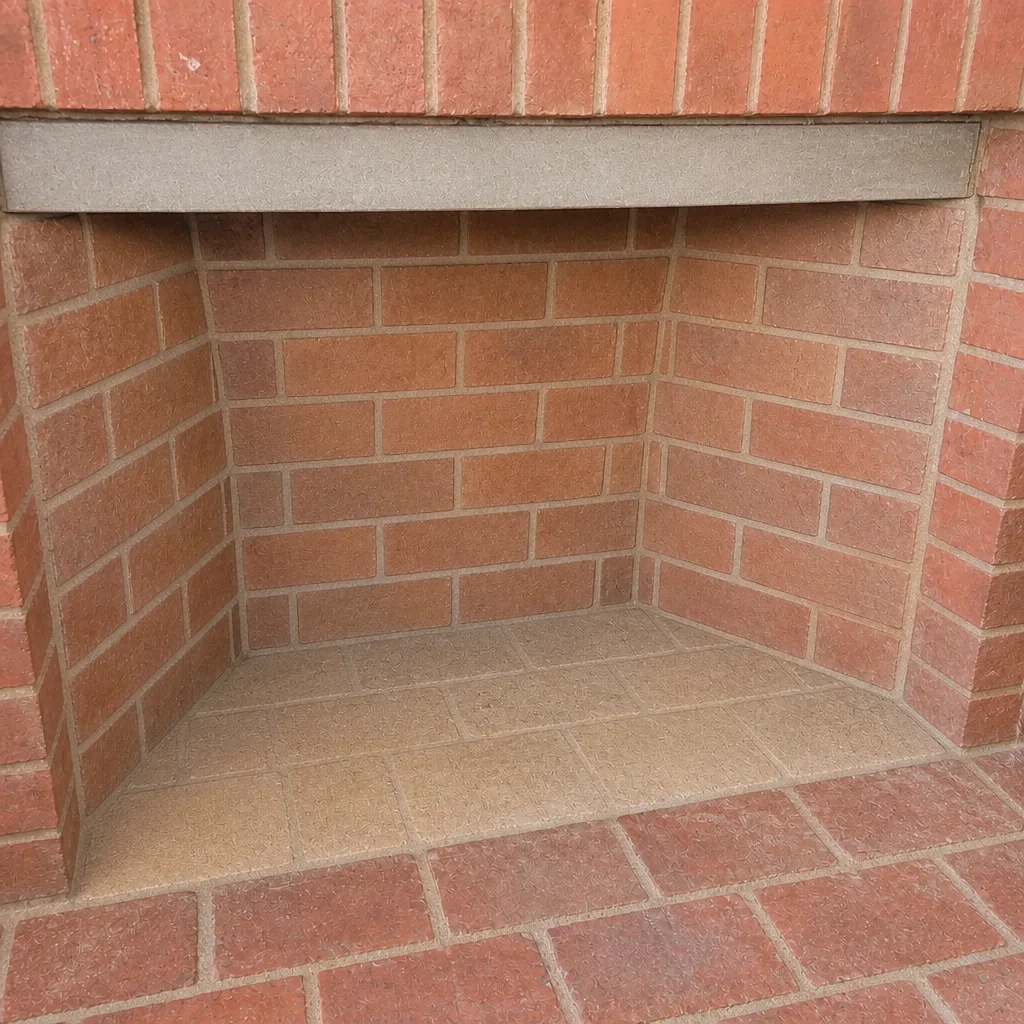
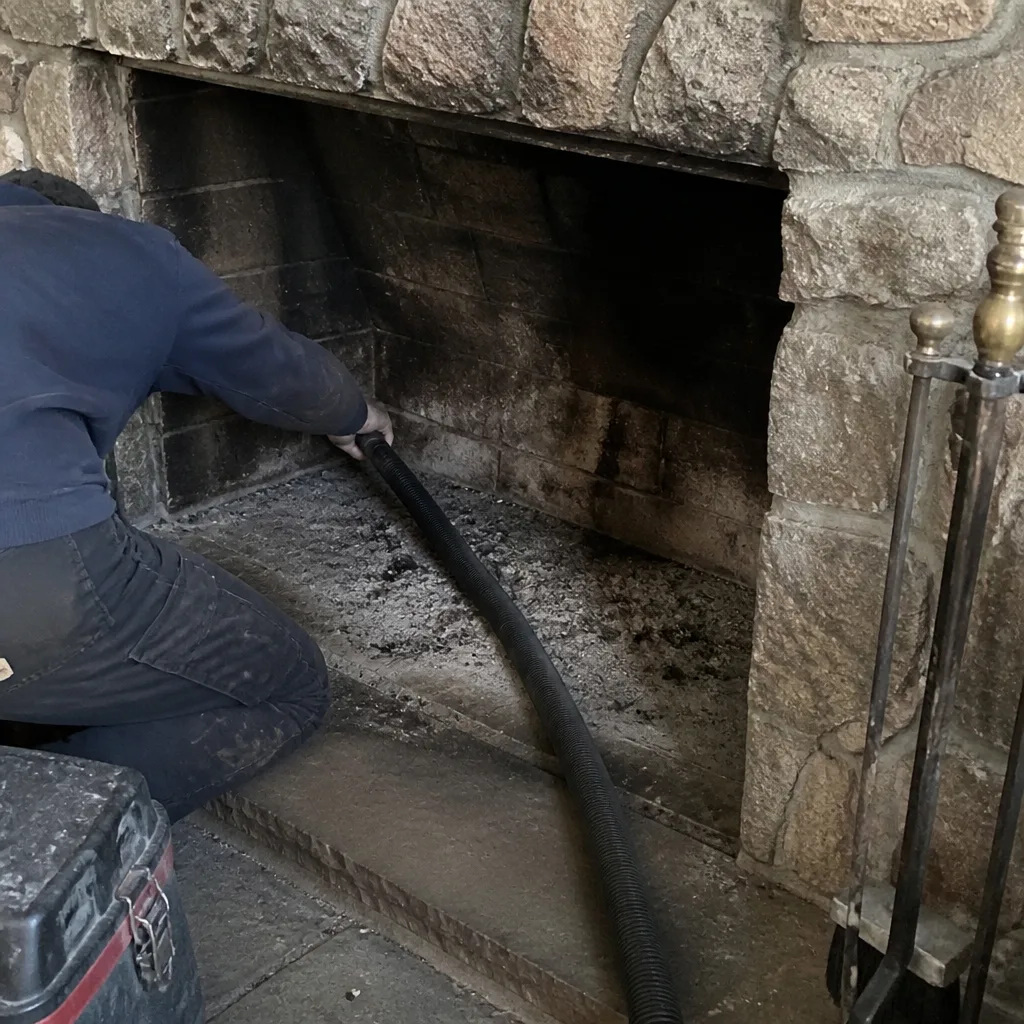
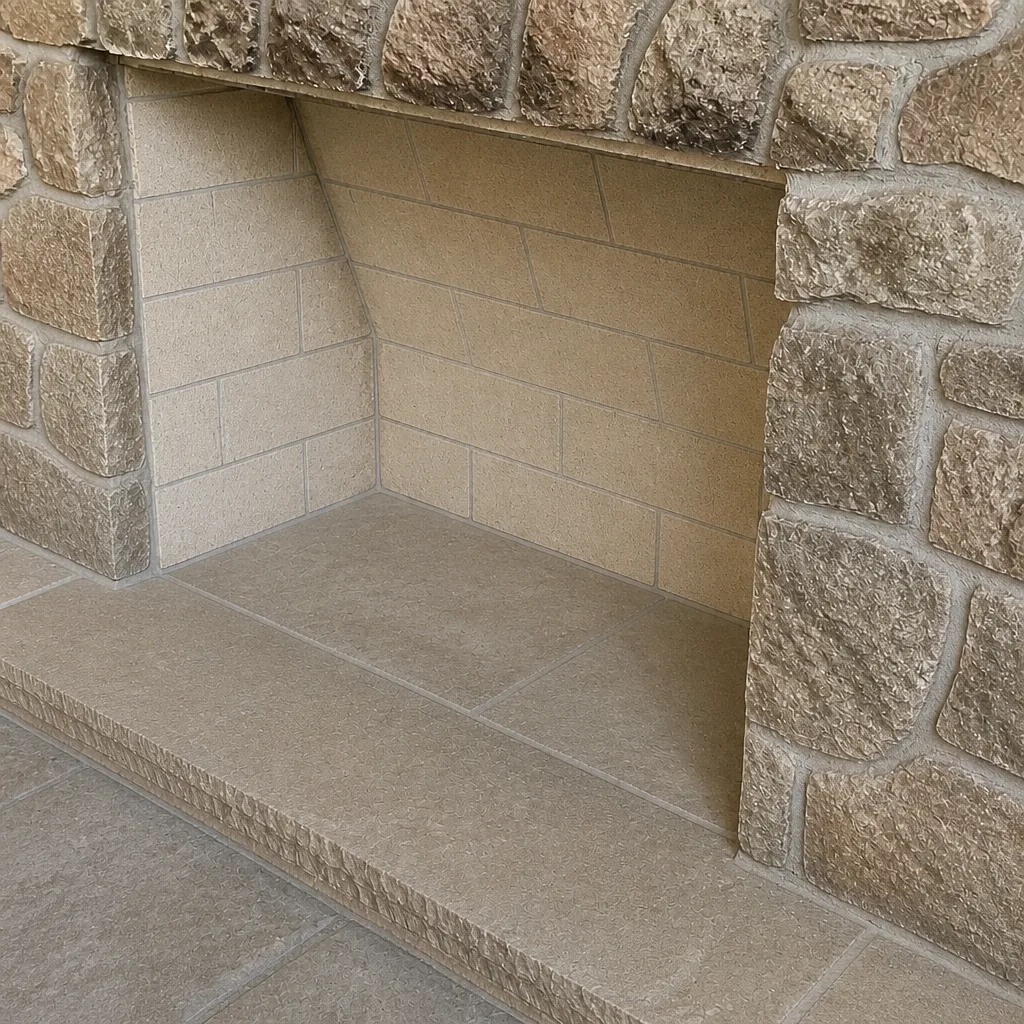
See the difference
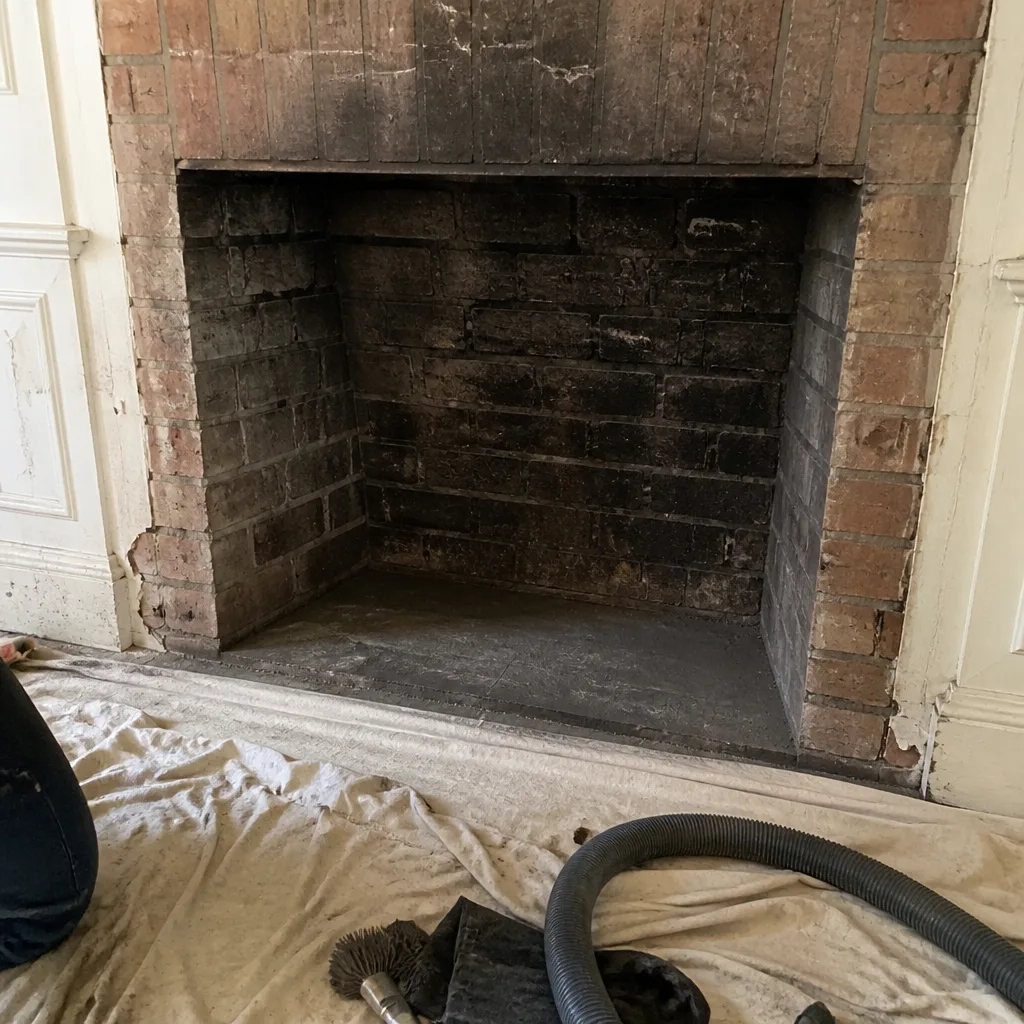 Before
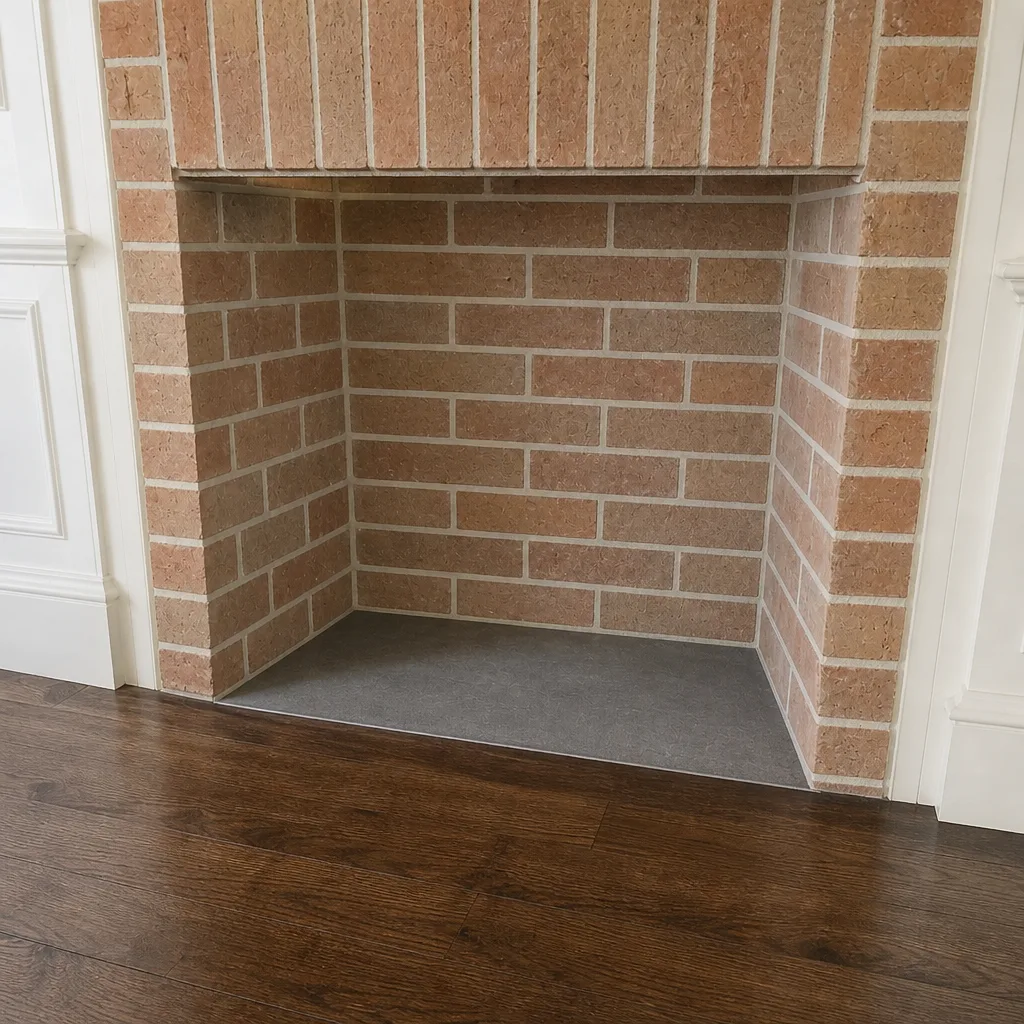 After
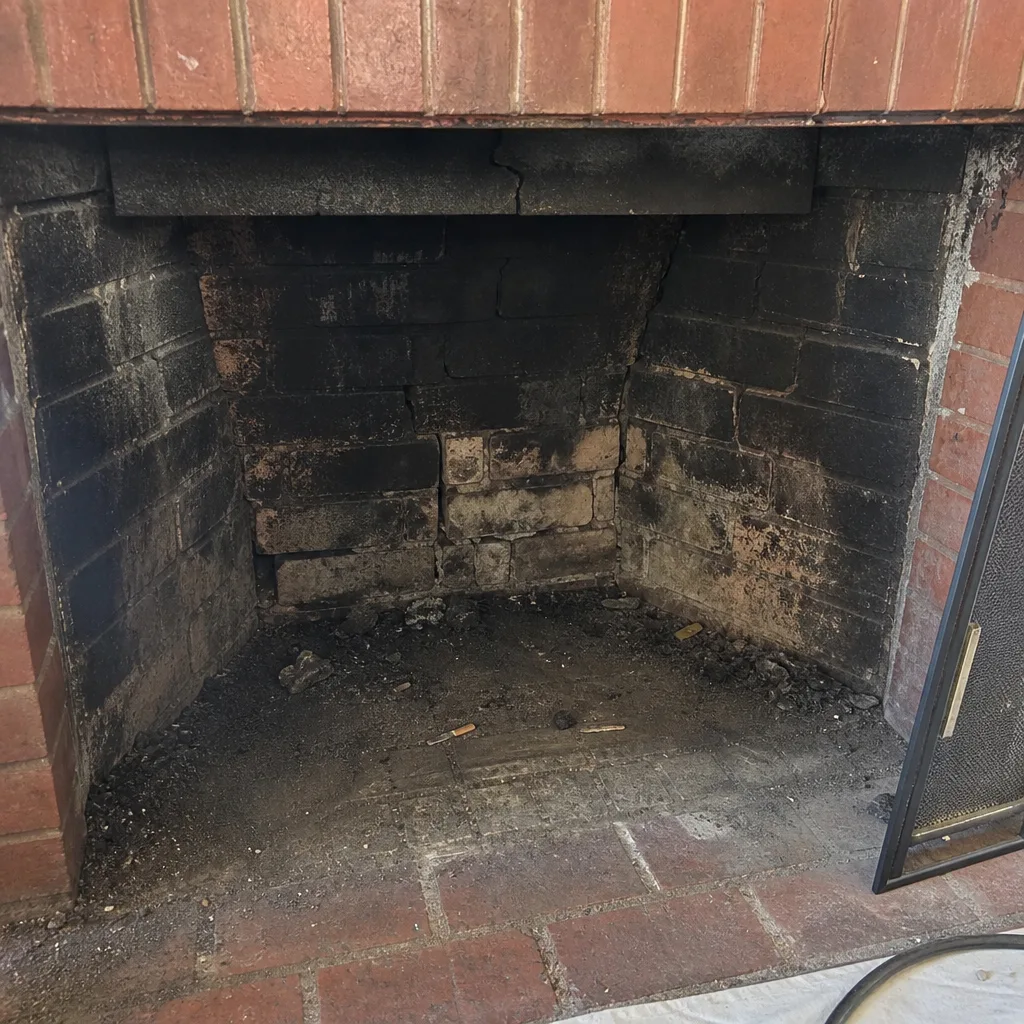 Before
 After
 Before
 After
When to Call a Professional
Some situations are not a judgment call. Call a professional if any of these apply: it’s been more than a year since your last sweep and inspection; you’ve seen or smelled anything unusual during a fire; there’s rust in the firebox or visible damage to the firebrick; the flue has offsets or a configuration you don’t understand; your building won’t grant rooftop access; or you simply need a written condition report for a co-op board or insurance file. On the Upper West Side, that’s most of the cases we see. Chimney Sweep Upper West Side offers free estimates in Upper West Side, so the first step doesn’t cost you anything: call (833) 482-6118 to book a sweep or a standalone inspection. Our technicians have up to 10 years of experience, and we work with recognized industry brands like Copperfield and DuraFlex for parts and liners.
Frequently Asked Questions
Typical chimney sweep pricing in Upper West Side falls in a range of roughly $150 to $300 for a standard wood-burning fireplace sweep and basic inspection, with the exact figure depending on flue configuration, access, and whether a camera inspection is included. The written estimate sets the final price, so you know the number before the work starts. Call (833) 482-6118 for an exact quote – estimates are free.
Only if the inspection shows the existing liner is deteriorated, cracked, or not appropriate for the appliance it serves; a problem flue tile or a failing clay liner does need relining, and that’s not a real DIY option. We won’t recommend a liner without camera evidence of the condition, and we can show you what we found so you can see for yourself that the work is necessary. Call (833) 482-6118 to schedule an inspection – estimates are free.
A wood-burning fireplace should be swept and inspected at least once a year, and more often if you burn daily or burn a lot of wood through the winter. A gas or oil appliance’s chimney should be inspected according to the appliance’s requirements. The annual sweep is the baseline, not something to skip because the fire burns well. Call (833) 482-6118 to book yours – estimates are free.
You can remove loose first-degree creosote from an accessible, straight flue with the right brush and good containment, but careful technique doesn’t let you see inside the flue or assess the flue tile, smoke chamber, cap, and crown. On the Upper West Side, rooftop access rules in prewar co-ops and condo buildings usually make a full DIY job impractical anyway. If you decide to go halfway, treat the professional inspection as the non-negotiable half. Call (833) 482-6118 to book one – estimates are free.
Creosote accumulates with every fire, and a flue that isn’t swept builds toward both a chimney fire risk and a hidden structural problem you can’t see from the firebox. Water intrusion through a failed crown and animal entry through a missing cap are the two quiet threats; a professional inspection is the only way to catch either early, before a small repair becomes structural damage. Call (833) 482-6118 for a sweep and inspection – estimates are free.
A professional sweep includes a rooftop look at the cap, crown, and screen, because that’s where water intrusion and animal entry start and you can’t assess them from the firebox. If the cap or crown needs repair or replacement, the same specialist who found the problem can fix it, often during the same visit, using materials built for direct weather exposure. Call (833) 482-6118 to book a sweep – estimates are free.
The Bottom Line
The DIY-versus-professional debate is a false choice, or at least an incomplete one. A homeowner with a brush can remove loose creosote from an accessible straight flue; what they cannot do is see a hairline flue tile crack, remove glazed creosote, assess the smoke chamber, or evaluate the cap and crown from the rooftop. On the Upper West Side, prewar building logistics make even the DIY half impractical for most residents. The brush is a maintenance tool; the inspection is what keeps the flue safe to burn. Do the light checks yourself between visits, but book the yearly sweep and inspection, and let the report tell you what’s really going on.
If you’re ready to book, call Chimney Sweep Upper West Side at (833) 482-6118 for a free estimate. We answer 24/7. Fast dispatch from 7am to 7pm, Sunday through Friday. We’ll sweep, inspect, show you what we found, and fix whatever needs fixing with professional-grade materials from brands like Copperfield, DuraFlex, HeatShield, and Gelco.
Written by the team at Chimney Sweep Upper West Side.