
Last updated November 25, 2026
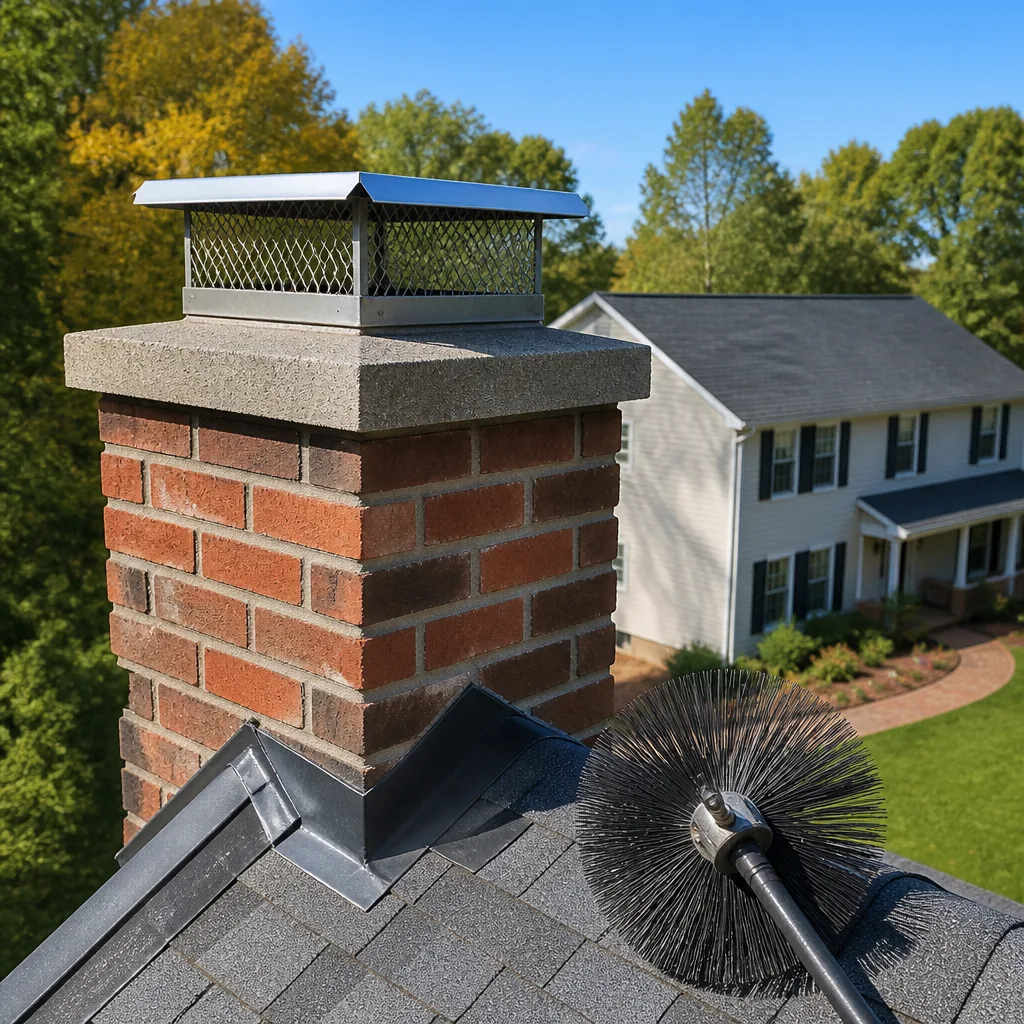 Sweep & inspection
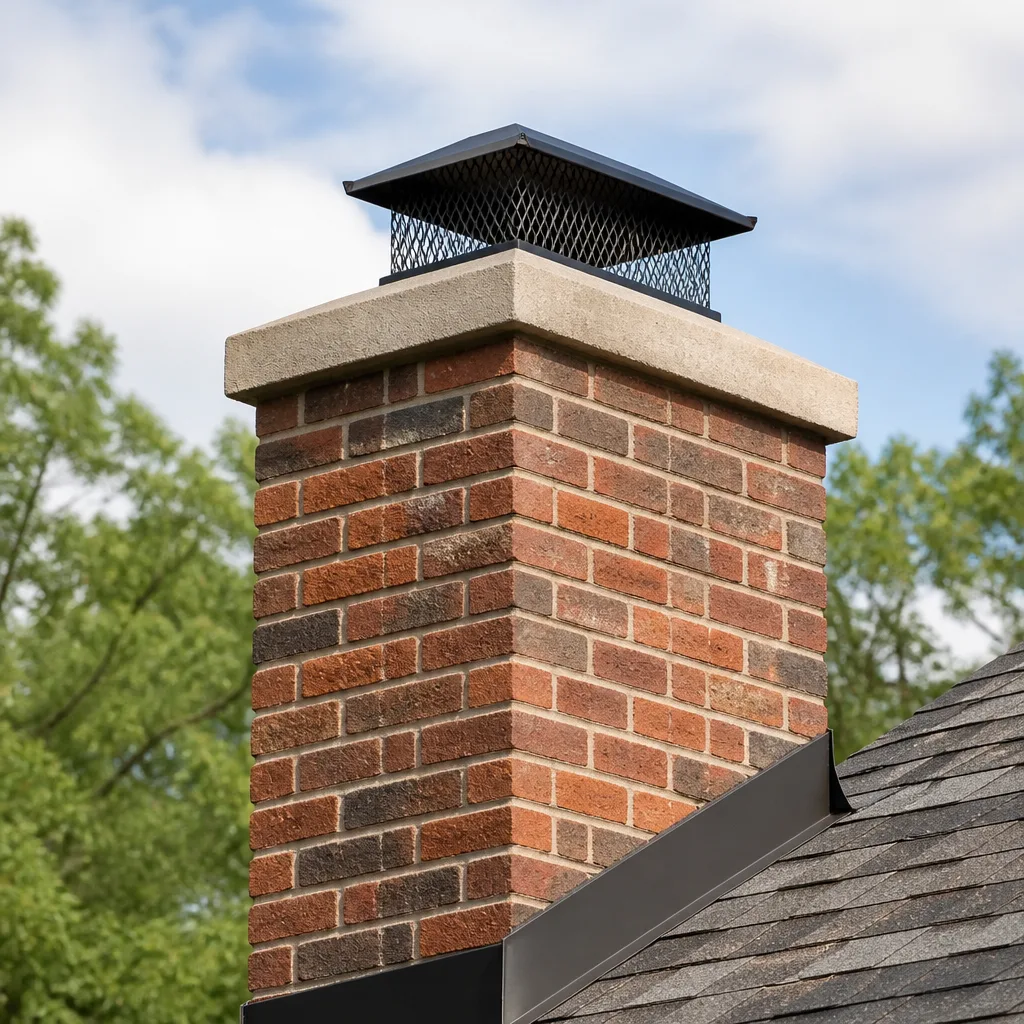 Caps & crowns
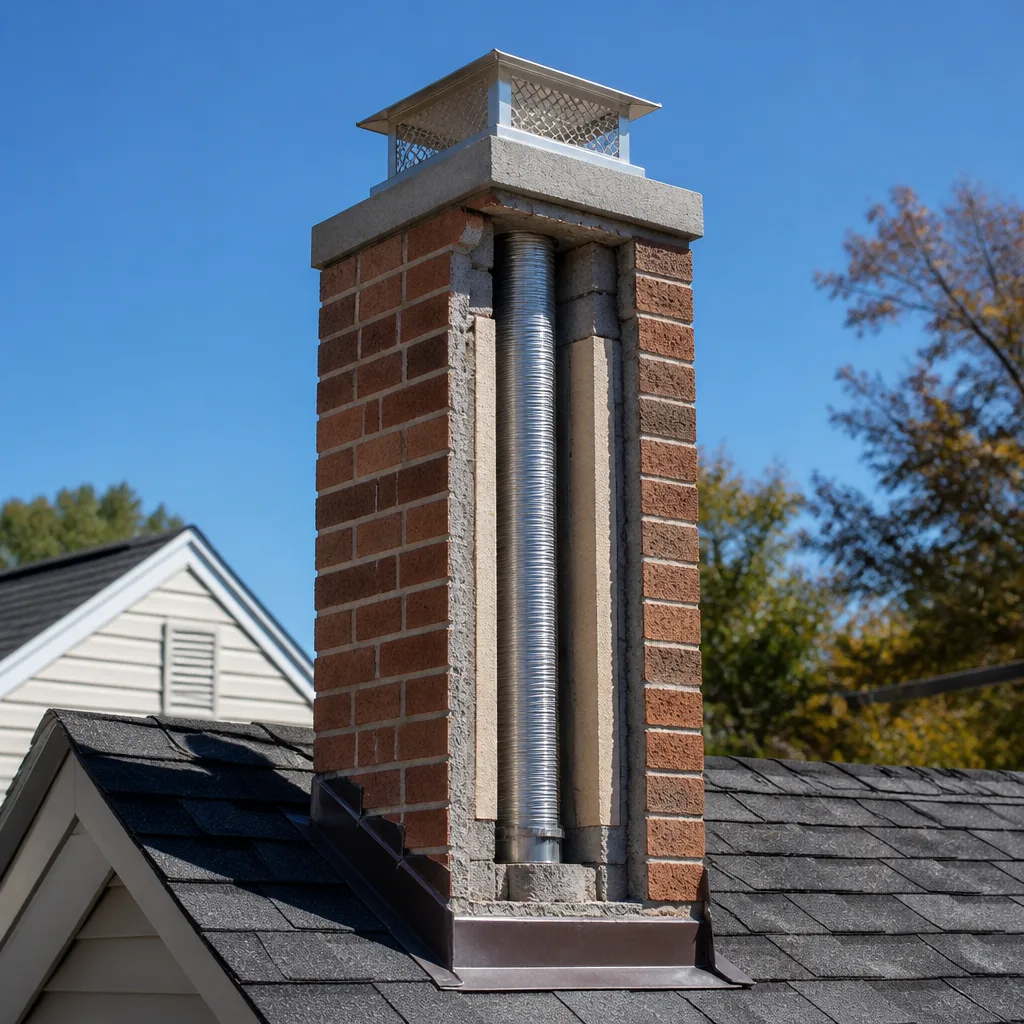 Flue relining
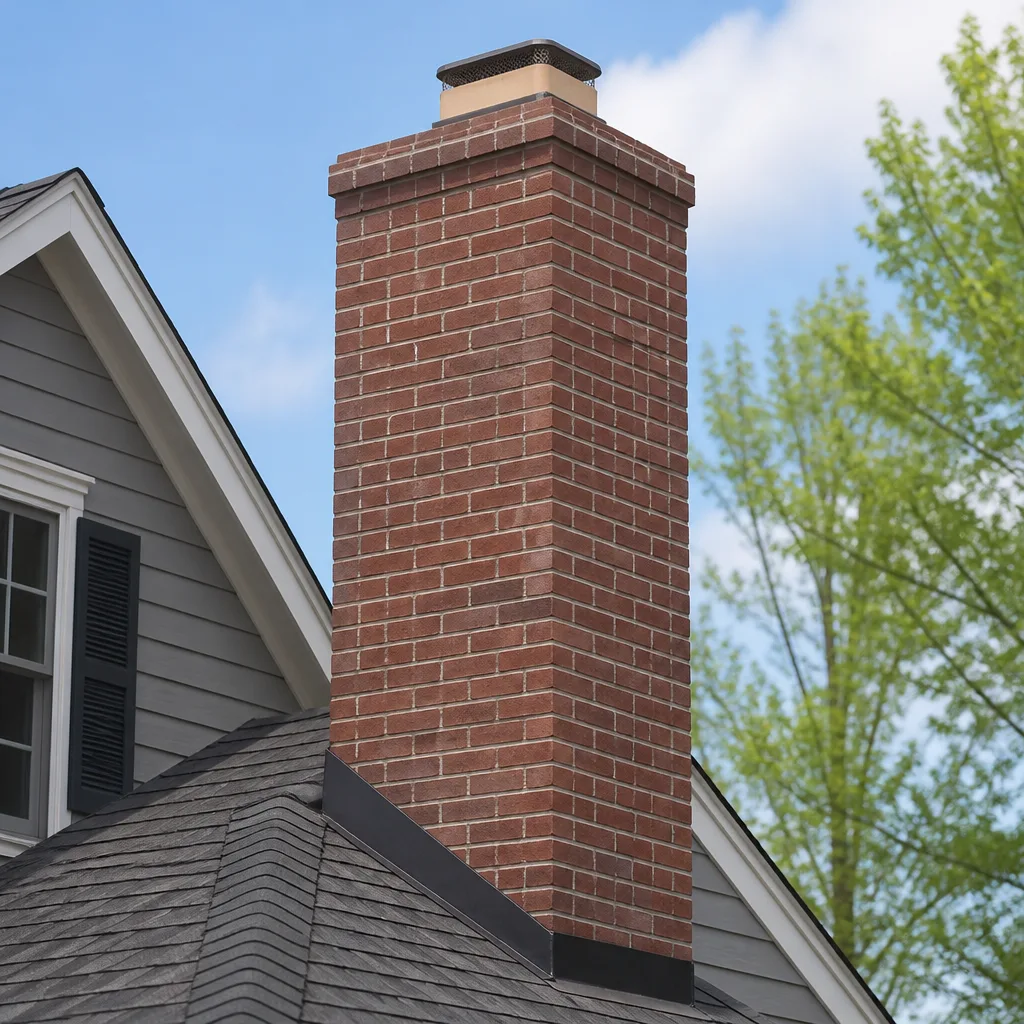 Masonry repair
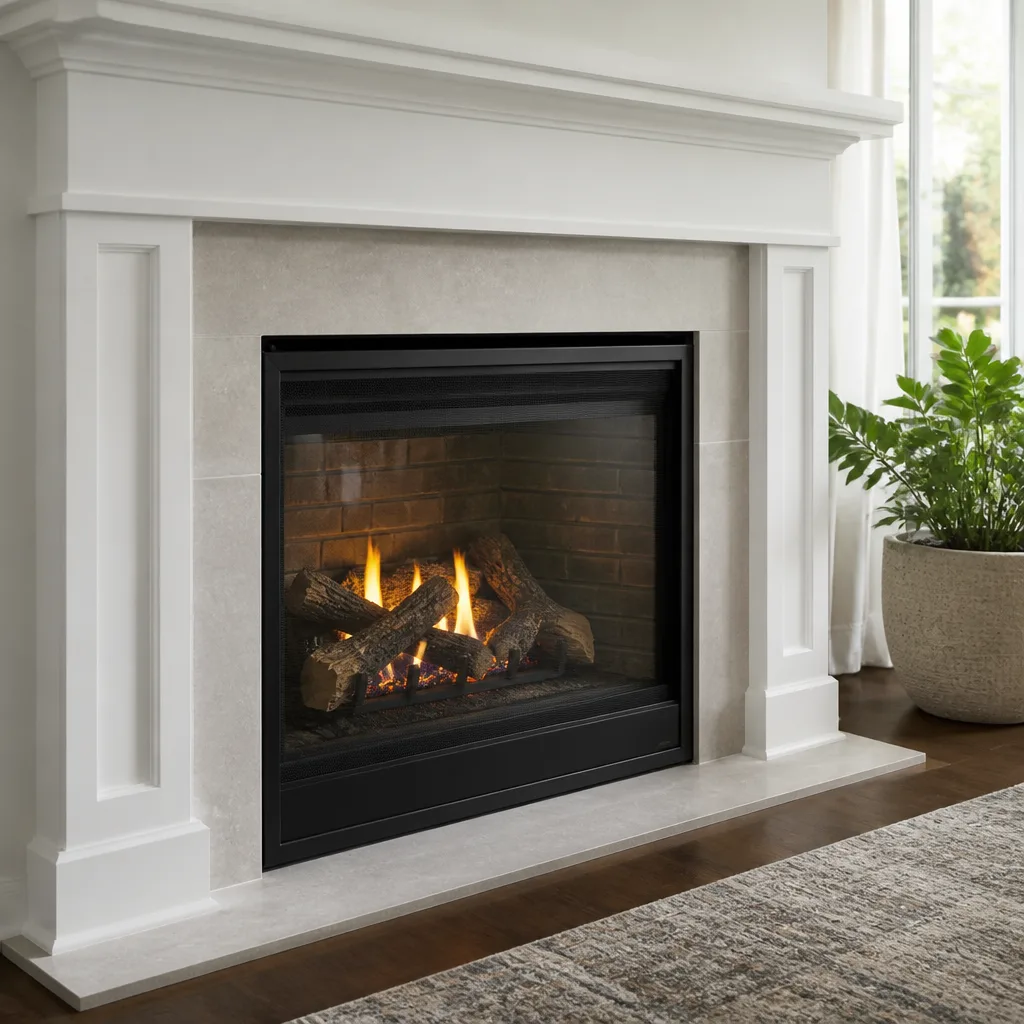 Gas fireplace service
Level 1 sweep and inspection to the NFPA 211 annual standard - flue, crown, cap, and flashing checked and photographed
Chimney sweep logs do not sweep chimneys. They loosen some creosote - which then falls where a brush and vacuum still have to collect it.
Chimney Cleaning Emergency Preparedness Guide for Upper West Side Homes
Most people picture a chimney problem as a smoke issue inside one apartment. In the prewar buildings that line so much of the Upper West Side, that’s rarely how it plays out. A fire that starts in one firebox can move through cracked mortar joints between adjacent flues, which means your neighbor’s fireplace is not fully isolated from yours, and an emergency in a single unit can require the FDNY to reach the roof and gain access across multiple apartments. This guide walks through the three chimney emergencies Upper West Side homeowners actually face – fire, carbon monoxide back-drafting, and water intrusion – and gives you a specific sequence for each. You’ll also learn what to document afterward so your insurer and your co-op board both stay satisfied.
Quick Answer
If you suspect an active chimney fire, stop using the fireplace, get everyone out of the apartment, and call 911 – do not wait to see whether it settles. For a carbon monoxide alarm, leave the unit and let the fire department ventilate and meter before anyone re-enters. For water suddenly pouring into the firebox during or after heavy rain, close off the fireplace and get the crown and cap checked the same week, before the leak reaches the masonry and the unit below. Everything after the initial response depends on documentation: a written report from a qualified chimney technician, produced after a Level II inspection, is what your insurer and co-op management will ask for before the fireplace goes back into use.
Styles & brands we work with
- Sweep & inspection
- Caps & crowns
- Flue relining
- Masonry repair
- Gas fireplace service
Table of Contents
- How Do You Know a Chimney Fire Is Actually Happening?
- What Steps Do You Take Before and After FDNY Arrives?
- Why Shared Flues Make Upper West Side Chimney Fires Different
- Carbon Monoxide: Distinguishing a Back-Draft From a Draft Problem
- Water Emergencies: When a Rain Dump Into the Firebox Signals a Failed Crown or Cap
- What a Post-Emergency Level II Inspection Should Include
- Post-Emergency Documentation for Insurers and Co-op Management
- How to Prepare Before the Heating Season Starts
How Do You Know a Chimney Fire Is Actually Happening?
A chimney fire is not always the dramatic roar people expect from movies. Large, unrestricted fires sound like a freight train or a low rumble inside the flue, but slow-burning creosote fires can be nearly silent and go unnoticed until the damage is already done. On the Upper West Side, where so much of the housing stock dates to the early 1900s and flues sit behind finished walls in apartments where the resident never actually sees the chimney exterior, the warning signs are often sensory rather than visual.
What you might notice from inside the apartment:
- A roaring or rumbling sound inside the flue – louder than the normal updraft and often described as sounding like a distant train.
- An intense, acrid smell that doesn’t clear when you open a window, or that lingers after the fire has burned down.
- Sparks or glowing embers visible from the roof or the window, especially around the cap. If you can see the cap from a nearby window and something is coming out of it that shouldn’t be, treat it as active.
- Discolored or warped metal around the damper, the firebox, or the top of the chimney, if you can see those areas.
- Smoke backing into the room with a fire that was burning normally a few minutes earlier.
If more than one of those signs is present, assume it’s active and get out. You’re not going to diagnose a chimney fire accurately from inside the apartment, and you don’t need to. The response is the same either way.
What Steps Do You Take Before and After FDNY Arrives?
What you do in the first few minutes matters more than anything a technician can do later. The sequence below is the one we’d want a homeowner to follow – it isn’t a substitute for calling 911, but it covers what happens before and after the fire department is on scene.
- Stop the fire if you can do it safely. Close the glass doors or the firebox screen. If the fire is small enough to smother safely, use a chimney fire extinguisher, sand, or baking soda. Never throw water into a hot firebox – the thermal shock can crack firebrick or cast iron.
- Get everyone out of the apartment and close the door behind you. Smoke travels up and into hallways fast in a prewar building.
- Call 911. Say “possible chimney fire” and give the exact building address and apartment number. If you have shared flues (see the next section), tell the dispatcher the building may need multiple units checked.
- Alert the super and the neighbors on your line if it’s safe to do so. In a building with a common flue stack, adjacent fireplaces may need to be checked.
- Do not re-light the fireplace after the fire is out, no matter how normal the firebox looks.
- Request a post-fire Level II inspection from a qualified chimney technician before anyone uses the fireplace again. This is what your insurer and co-op will want to see on record.
When FDNY arrives, they’ll check the firebox, the damper, and the roof if they can reach it. Depending on what they find, they may leave documentation – a fire report, an inspection card, or a written notice – that you’ll need to keep. What they won’t do is certify the chimney for future use. That’s the job of a Level II inspection, and it’s the next step in the sequence.
Why Shared Flues Make Upper West Side Chimney Fires Different
The defining feature of Upper West Side chimney work is that most of these buildings were designed with multiple fireplaces stacked into a shared masonry chimney. Each apartment has its own firebox, damper, and flue tile, but those flues sit side by side inside the same brick and mortar structure. Between the flues are mortar joints and wythes of brick that were never meant to hold up to a sustained fire.
When a chimney fire burns hot enough in one flue, the damage isn’t limited to that flue. Cracked mortar joints let heat and smoke cross into adjacent flues, and once the structure between flues has failed, you have a shared problem that can’t be solved from one apartment. This is why an Upper West Side chimney fire frequently becomes an FDNY matter for the whole building rather than the unit where it started – the roof access, the mast, and the adjacent fireplaces all play into how the response unfolds.
The practical implications for homeowners:
- Your neighbor’s fireplace is not fully isolated from yours. If yours burned, theirs may need inspection even if it wasn’t in use.
- Roof access in prewar buildings is almost always through the building, not through the apartment, which means the super has to be involved for any rooftop inspection or repair.
- A Level II inspection after a fire should include the adjacent flues, not just the one that burned. This is one of the areas where a generalist handyman will disappoint you and a chimney specialist won’t.
- Co-op management usually wants a building-wide record of what was inspected and when, especially if the fire crossed flues.
If your building has never had a full inspection on the shared flue stack, that alone is a reason to schedule one. It’s not alarmism – it’s the same reasoning as testing smoke detectors in a building with a shared stairwell.
Carbon Monoxide: Distinguishing a Back-Draft From a Draft Problem
A carbon monoxide alarm in an apartment with a working fireplace is an emergency, not a draft to be adjusted. CO back-drafting happens when combustion gases that should travel up the flue are pushed back into the living space – because the flue is blocked, because the pressure in the apartment is negative relative to the outside, or because the damper or a nearby exhaust fan is pulling air the wrong direction. All three are dangerous, and all three can produce a CO reading without a single visible sign of fire.
The distinction between a genuine CO emergency and a normal draft problem matters because the responses are very different:
- A draft problem shows up as smoke spilling into the room, a fireplace that won’t draw, or a cold chimney that smokes only on first light-up. Annoying, but not immediately hazardous. Close the damper, let the chimney warm, and get it checked.
- CO back-drafting shows up as an alarm sounding, headache, dizziness, nausea, or unusual drowsiness with a fire burning or recently burning. No visible smoke is necessary. This is a get-out-of-the-apartment event.
What to do when the CO alarm sounds and a fireplace or gas appliance is involved:
- Get everyone out of the apartment. Don’t open windows first – leave.
- Call 911 and tell them there’s a CO alarm with a fireplace or gas appliance in the unit.
- Do not re-enter until the fire department has metered the apartment and cleared it.
- Request a Level II inspection of the flue before any appliance is used again. A blocked or partially blocked flue is the most common cause, and it will not resolve on its own.
CO detectors work as the first line of detection only if they’re placed correctly. The one to watch is the detector in the room with the fireplace or gas appliance – not the one in the hallway near the kitchen. Upper West Side apartments often have detectors in the wrong spot because the originals were placed to satisfy a building requirement, not to catch a flue problem in a specific room.
If your building uses gas-fired appliances vented into a chimney, CO risk rises during the heating season because more appliances share the same stack. It’s worth having the flue inspected before the first heating month, not after the first alarm.
Water Emergencies: When a Rain Dump Into the Firebox Signals a Failed Crown or Cap
Water pouring into the firebox during or just after heavy rain is not normal. A properly constructed chimney has a crown at the top that sheds water away from the flue, and a cap that keeps rain from dropping straight down the flue. When one or both fail – which they do regularly in masonry exposed to decades of freeze-thaw cycles on Upper West Side rooftops – water finds the flue and ends up in the firebox, in the smoke chamber, and eventually in the masonry itself.
What a sudden rain dump into the firebox actually tells you:
- The crown is cracked or missing. A crown that has cracked or pulled away from the flue lets water into the masonry core of the chimney, where it does damage that’s invisible from inside the apartment until it shows up as a stain or a soft spot on the ceiling of the unit below.
- The cap is gone or damaged. Missing or damaged caps let rain straight into the flue. On the Upper West Side, where caps take a beating from wind, ice, and rooftop freeze-thaw, a missing cap is one of the most common causes of water intrusion we look at.
- The flashing at the roof line has failed. Water gets behind the flashing, down the chimney exterior, and into the building envelope.
What to do when it happens:
- Close the damper and put down towels to stop the spread. Don’t try to burn a fire to “dry it out” – the water may already be in the smoke chamber, and a fire adds heat to wet masonry, which is the worst combination.
- Take photos of the water in the firebox and anywhere else in the apartment it reached.
- Get the crown, cap, and flashing checked within the same week. Water that sits in masonry or penetrates into the surrounding structure creates mold risk and structural risk, and that risk compounds the longer it goes unaddressed.
- If the ceiling or walls in another part of the apartment show stains, tell the super and pull the co-op management in. Water that reaches an adjacent unit is a building issue, not just an apartment issue.
Cap and crown work is preventive in the same way a smoke detector is preventive – it costs less than the damage it prevents, and it’s part of closing the loop on water intrusion rather than just treating the symptom.
What a Post-Emergency Level II Inspection Should Include
A Level II inspection is the industry-standard post-event inspection: it’s what you get after a chimney fire, after a CO event, after a water event, or after any change in the appliance or fuel type. It’s more thorough than the annual sweep inspection, and it’s what your insurer will ask for. Here’s what it should cover, so you can tell whether the report you receive is complete.
- Video scan of the flue from the top or through the firebox, documenting the condition of the flue liner tile by tile.
- Inspection of the firebox, damper, smoke chamber, smoke shelf, and throat – visually and, where possible, with photo documentation.
- Exterior inspection of the chimney at the roof line: crown condition, cap, flashing, masonry, and any signs of spalling or cracking.
- Adjacent flues if the chimney is shared. This is the piece most Upper West Side inspections miss, and it’s the piece that matters most after a fire that may have crossed mortar joints.
- Written report with photographs, not a verbal summary. A verbal “looks fine” is not documentation your insurer or co-op will accept.
- Clear recommendation for what needs repair, what can wait, and what must not be used until repaired.
We perform inspections as a standalone service because homeowners need to know the scope before committing to repairs, and because an honest inspection is more useful than a pitch. Our technicians have up to 10 years of experience with post-fire and post-water inspections in Upper West Side buildings, and the technician who performs the inspection is the same one who can handle the repair – no referral runaround when a flue needs to be relined or a crown rebuilt. When a flue liner has failed, we work with chimney repair systems from DuraFlex, which are rated for all fuel types including wood, gas, and oil appliances, and with HeatShield ceramic resurfacing when the flue can be restored rather than fully rebuilt.
Post-Emergency Documentation for Insurers and Co-op Management
An Upper West Side chimney emergency is a paperwork problem as much as a physical one, and the paperwork is what slows down the return to normal – not the repair. NYC insurers investigating a chimney fire will typically want to see three things: the fire department’s report, a written inspection report from a qualified chimney technician stating the cause and the condition of the flue, and documentation of the repair performed afterward. Co-op management will want the same documents for their building records, plus evidence that adjacent flues were inspected if the fire may have crossed the mortar joints between flues.
What a written report from a qualified technician needs to include for those two audiences:
- Identification of the flue – which flue in the stack, which apartment, which appliance.
- Cause determination – the condition of the flue before the event as far as it can be established, and the most likely cause based on the inspection.
- Current condition – full description of the flue liner, firebox, smoke chamber, crown, and cap, with photos for each.
- Adjacent flue status if the chimney is shared.
- Repair recommendation and scope – what needs to be done, what materials will be used, and what can wait. Insurers don’t want to fund unnecessary rebuilds; they also don’t want to accept a rebuild when relining or resurfacing would have done the job.
- Clearance statement – whether the fireplace is safe to use now, safe to use after a specific repair, or not safe until further work.
Keep the fire department report and the inspection report together. If the co-op board asks for them separately because both the building manager and the insurance carrier are reviewing, having them paired at the outset saves weeks of back and forth. If the repair involved relining or resurfacing, keep those documents in the same file. When the fireplace is eventually put back into use, that file is what you’ll point to.
How to Prepare Before the Heating Season Starts
Most of what turns a chimney problem into a chimney emergency is a gap in preparation, not bad luck. Before the first fire of the season, three things reduce your risk meaningfully.
1. Get an annual sweep and inspection on record. The annual sweep removes the creosote that fuels chimney fires, and the inspection that goes with it catches the cracked flue tile, the failing crown, and the missing cap before they become a mid-season emergency. If you haven’t had a chimney sweep on the flue you’re using, that’s the starting point for the season. If you have an active fireplace in a prewar building and don’t know when the shared stack was last inspected, add the shared flues to the job.
2. Confirm your CO detectors and their placement. Every sleeping area and the room with the fireplace or gas appliance should have a CO detector. Check the batteries at the same time you test the smoke detectors, and replace any detector that’s past its rated service life.
3. Handle cap and crown work before the first freeze. A chimney cap & crown in good condition is the single most effective defense against water intrusion, which is the leading cause of chimney deterioration and the source of the rain-dump emergencies described earlier. Get them checked while the weather still allows a straightforward repair.
If any of those three items comes back with a problem, it’s worth handling the repair now rather than waiting for the first cold snap to find it. When a flue needs rebuilding or resurfacing, we use HeatShield ceramic resurfacing to restore the flue without full chimney demolition, and DuraFlex flexible liner systems when the chimney has offsets or tight configurations that make a rigid liner impractical. Olympia Chimney caps are one of the caps we specify for Upper West Side rooftops because they hold up to the freeze-thaw cycle the masonry sees up there.
If your building is on a shared flue stack, the seasonal preparation is a building-level activity, not just an apartment-level one. Talk to your super about when the last full-stack inspection happened and whether the crown was repaired on the last round.
Common Mistakes to Avoid
- Assuming you’d know if there was a chimney fire. Slow-burning creosote fires are often silent. If you notice the smell, the sound, or the smoke, treat it as active until a technician says otherwise – don’t wait for a dramatic sign before calling.
- Lying about whether the fireplace was in use. FDNY and your insurer will figure it out from the firebox and the flue. Honest reporting is the fastest path to a clear inspection and a clean claim.
- Skipping the adjacent flues after a fire. In a prewar Upper West Side building, cracked mortar joints can let heat cross from one flue to the next. An inspection that only covers the flue that burned is incomplete.
- Putting a fire in a wet chimney to “dry it out” after water intrusion. It doesn’t work – it accelerates damage to the masonry and the smoke chamber, and it can turn a repair into a rebuild.
- Relying on the CO detector in the wrong room. A detector in a hallway won’t catch a back-draft in the room where the fireplace is. The detector needs to be where the appliance is.
- Accepting a verbal “looks fine.” Your insurer and your co-op need written documentation with photos. If a technician won’t put it in writing, get a second opinion.
- Putting off roof-line work until spring. A failed crown or missing cap lets water in all winter. In an Upper West Side prewar building, that water doesn’t stay in your apartment – it finds its way into the unit below.
See the difference
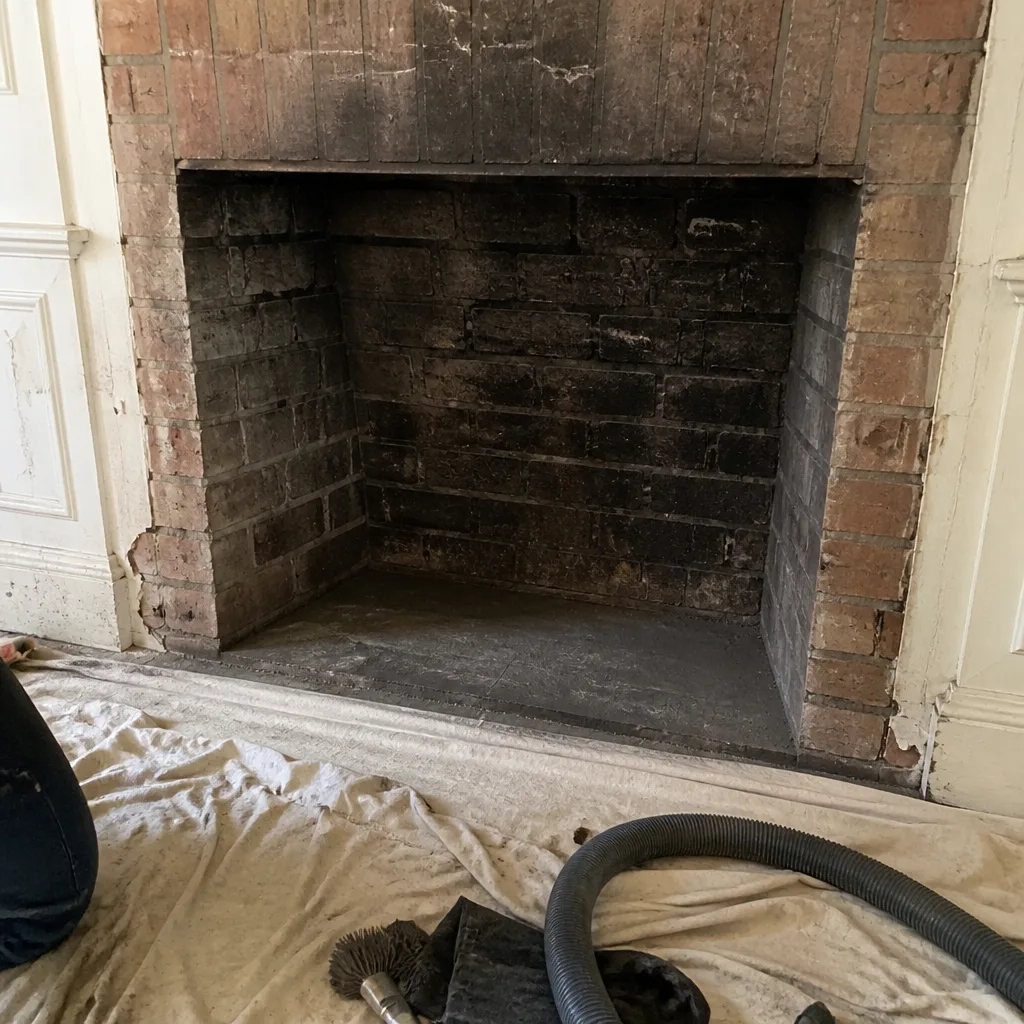 Before
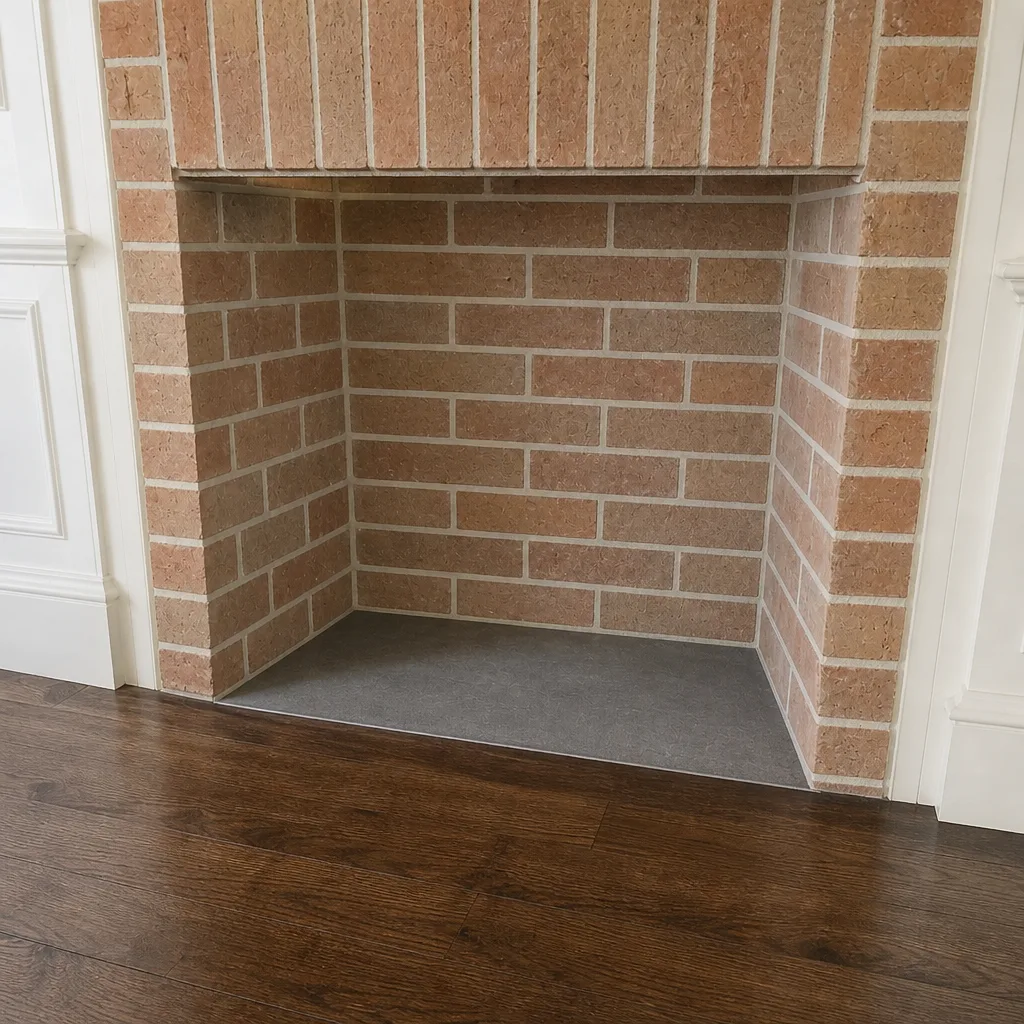 After
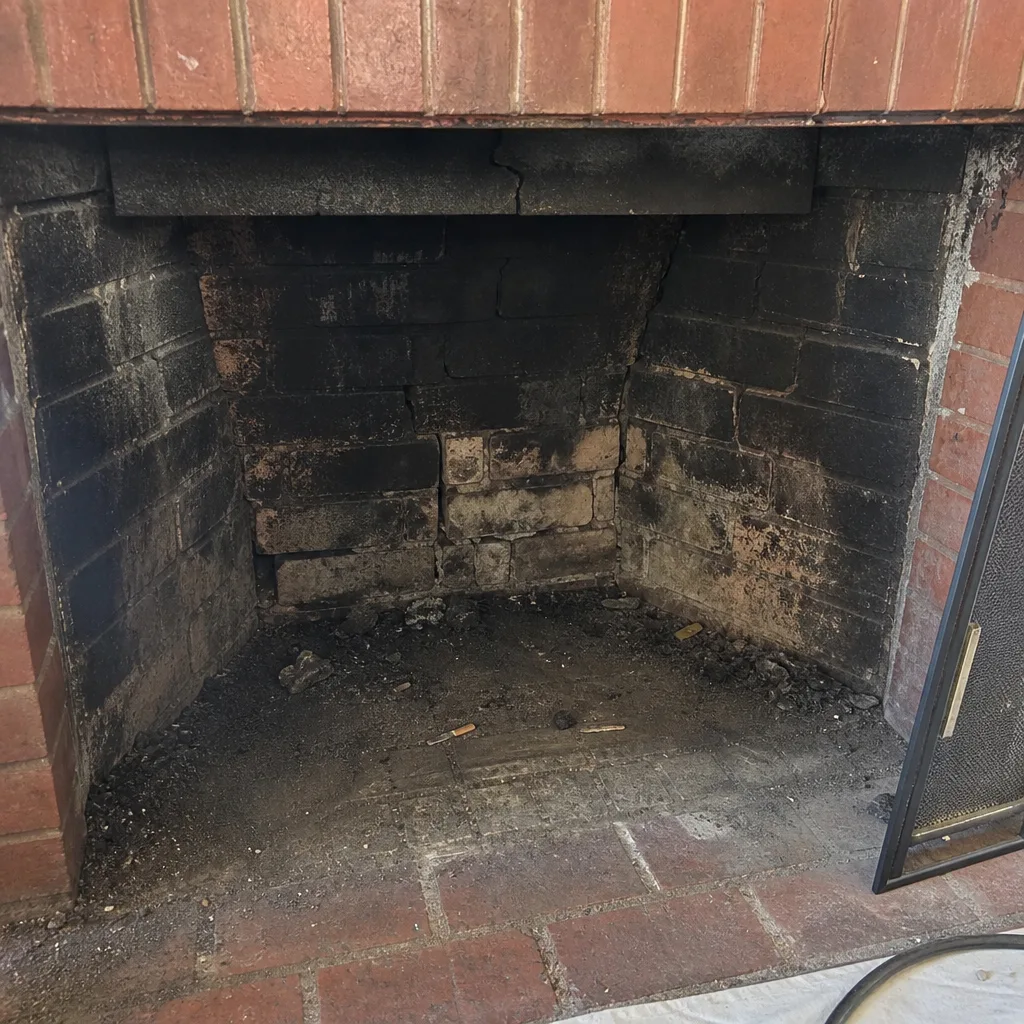 Before
 After
 Before
 After
When to Call a Professional
Call us when a fire has actually happened and you need a Level II inspection with documentation your insurer will accept. Call us when a rain event has dumped water into the firebox and you don’t yet know whether the crown, cap, or flashing is the source. Call us when the CO alarm has sounded and the fire department has cleared the apartment – before anyone uses the fireplace again. Call us when you suspect the flue is blocked, when the fireplace is smoking in a way it never has before, or when you’re buying an Upper West Side prewar unit and want to know the flue condition before the closing. Chimney Sweep Upper West Side offers free estimates in Upper West Side – call (833) 482-6118. We answer 24/7. Fast dispatch from 7am to 7pm, Sunday through Friday. Our written estimate sets the final price, and our inspection reports include camera documentation and a photo record of what we found.
Frequently Asked Questions
Get everyone out of the apartment and call 911 – stop using the fireplace immediately and don’t wait to see whether it settles. Close the glass doors or screen behind you if you can do it safely, then leave and close the apartment door. Once the fire department has cleared the scene, request a Level II inspection before anyone uses the fireplace again. Call (833) 482-6118 for an exact quote on a post-fire inspection – estimates are free.
You don’t, and you shouldn’t assume it is. A chimney fire can smolder for hours in creosote deposits and reignite. The only safe answer is a Level II inspection with a video scan of the flue. Call (833) 482-6118 – estimates are free.
In Upper West Side prewar buildings, flues are stacked side by side inside a shared masonry chimney, and cracked mortar joints between them can let heat and smoke cross into adjacent flues. That means your neighbor’s fireplace may need inspection even if it wasn’t in use. A post-fire inspection in a shared stack should cover the adjacent flues, not just the one that burned. Call (833) 482-6118 to book a full-stack inspection.
Not always, but it should be treated as one until the fire department has metered the apartment and cleared it. Draft problems show up as smoke spilling into the room, which is annoying but less immediately dangerous. An alarm with a fireplace or gas appliance in the unit is different – get out, call 911, and get a Level II inspection before the appliance is used again. Call (833) 482-6118 for an exact quote on the follow-up inspection.
It usually means the crown is cracked or has pulled away from the flue, or the cap is missing or damaged – both let rain straight down the flue. On Upper West Side rooftops, freeze-thaw cycles make crown cracks and missing caps one of the most common sources of water intrusion. Get the crown, cap, and flashing checked within the same week; water in the masonry creates mold and structural risk that keeps growing while it sits. Call (833) 482-6118 for a free estimate on cap and crown work.
Only after a Level II inspection has confirmed the flue is safe and, if repairs were needed, those repairs are complete and documented. The timeline depends on what the inspection finds – some flues clear with a clean and a minor repair, some need relining or HeatShield resurfacing before they’re safe to burn. The written inspection report will tell you specifically. Call (833) 482-6118. We answer 24/7. Fast dispatch from 7am to 7pm, Sunday through Friday.
The Bottom Line
Upper West Side chimney emergencies are building-level events, not apartment-level ones. Shared flues mean a fire in your firebox can reach your neighbor’s, which makes the pre-emergency inspection and the post-emergency documentation just as important as the response itself. The three emergencies to prepare for are fire, carbon monoxide back-drafting, and water intrusion through a failed crown or cap, and each has a specific sequence: get out, call 911, then get a Level II inspection on record with photos and a written recommendation. Keep the fire department report and the inspection report together for your insurer and your co-op. The right time to prepare is before the heating season, not after the first alarm. Our technicians have up to 10 years of experience with post-fire and post-water inspections, and we perform inspections as a standalone service, because the useful thing you need from a chimney technician is an honest assessment on paper. Call us at (833) 482-6118 to schedule an inspection or a Chimney Sweep Upper West Side. We answer 24/7. Fast dispatch from 7am to 7pm, Sunday through Friday. Estimates are free, and the written estimate sets the final price.
Written by the team at Chimney Sweep Upper West Side.