
Last updated November 25, 2026
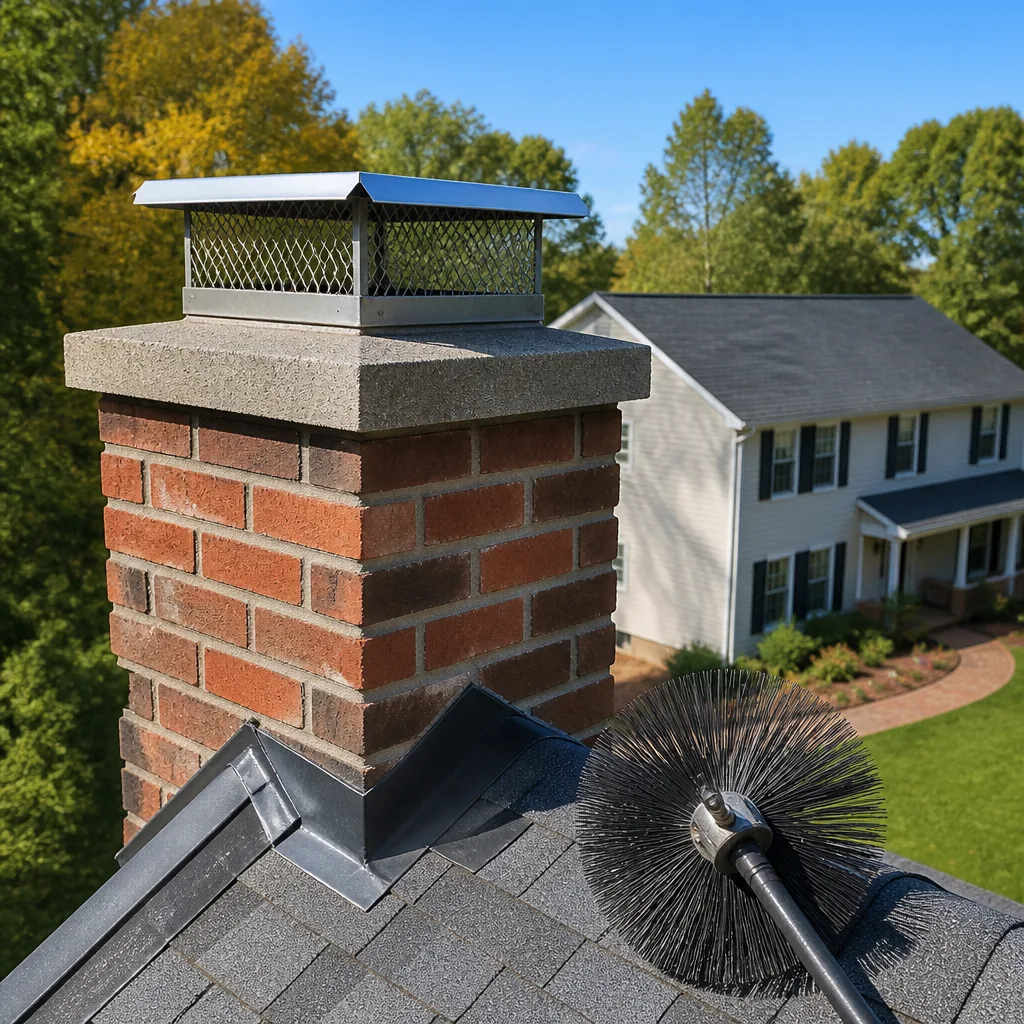 Sweep & inspection
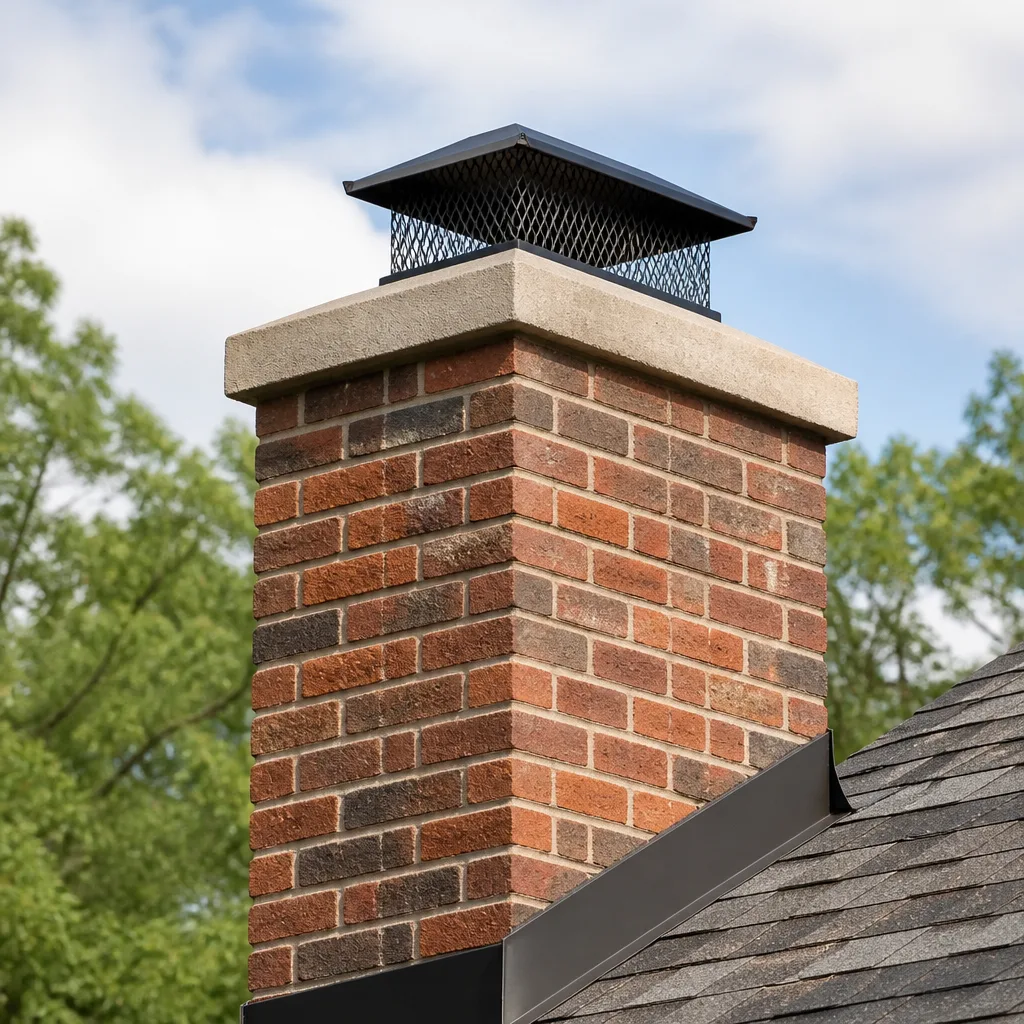 Caps & crowns
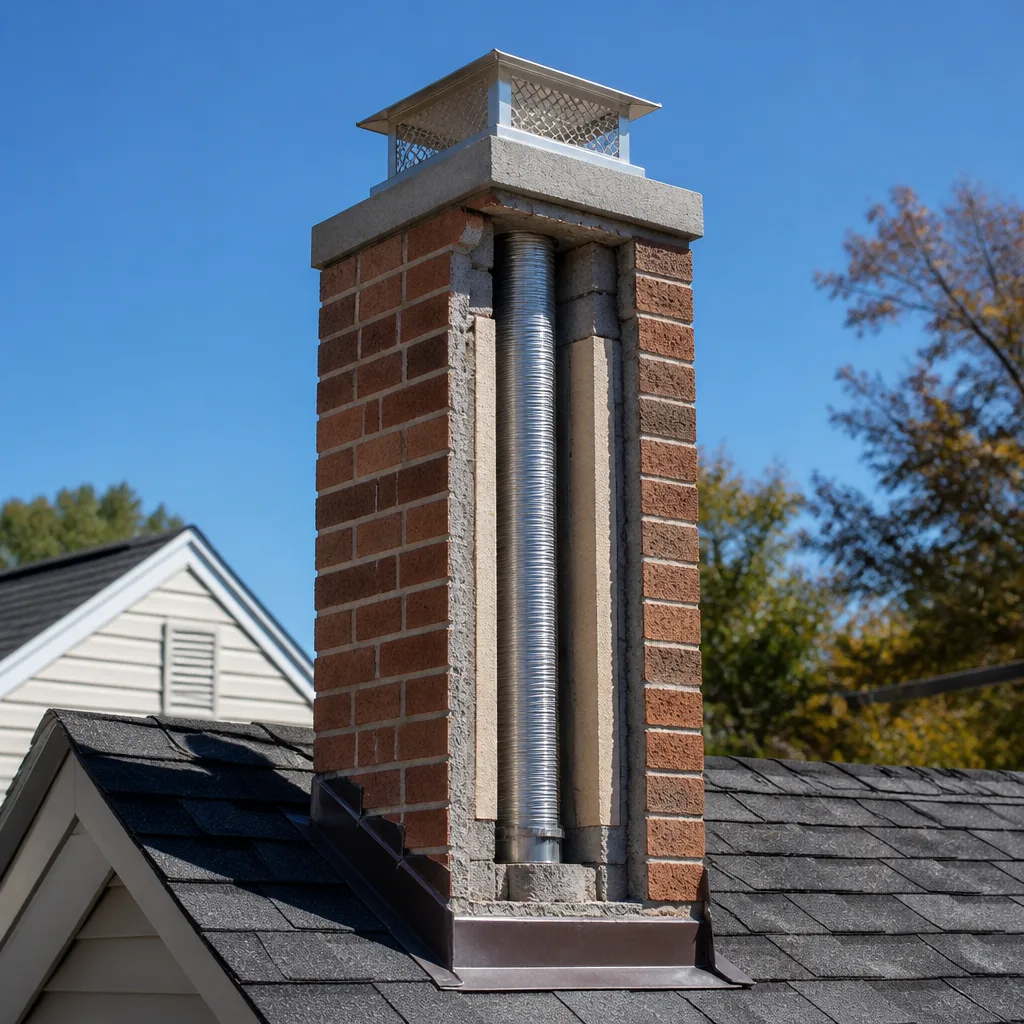 Flue relining
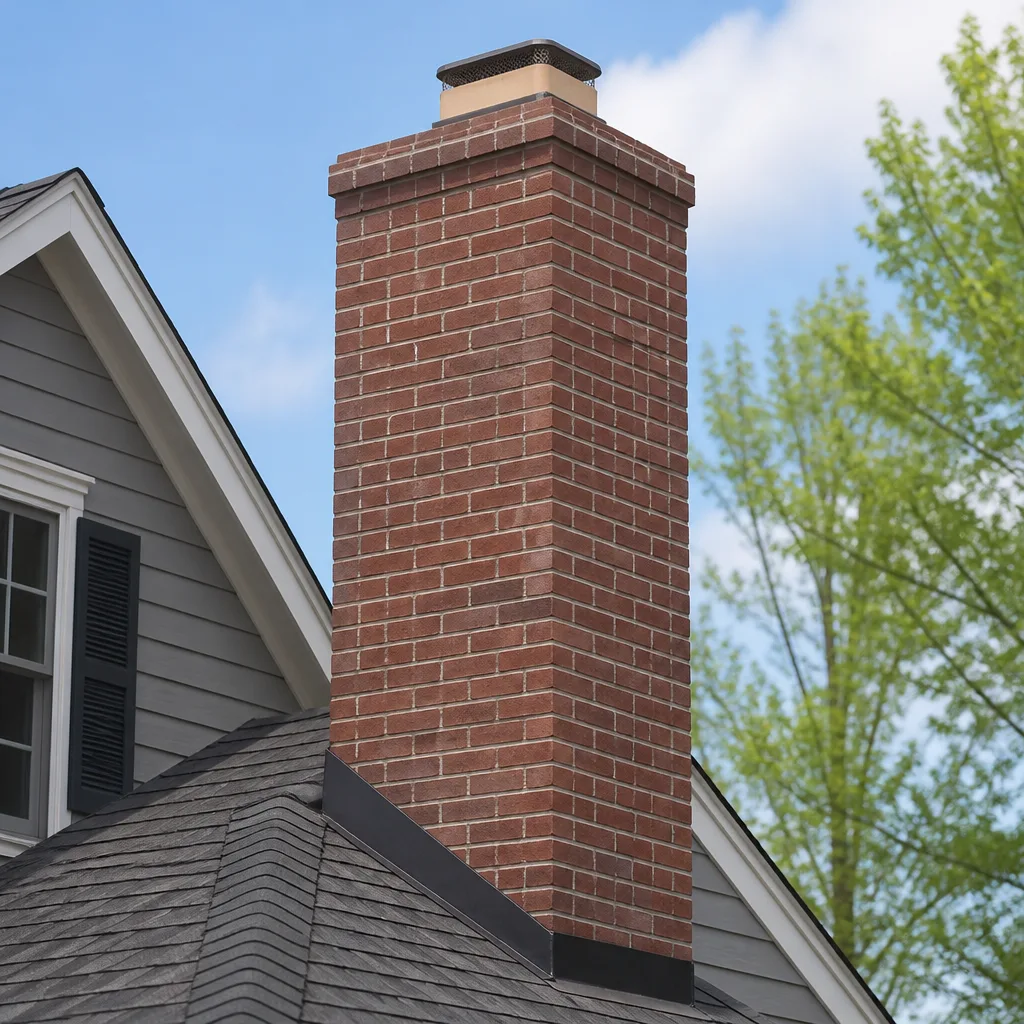 Masonry repair
 Gas fireplace service
Level 1 sweep and inspection to the NFPA 211 annual standard - flue, crown, cap, and flashing checked and photographed
Chimney sweep logs do not sweep chimneys. They loosen some creosote - which then falls where a brush and vacuum still have to collect it.
Chimney Sweep Troubleshooting in Upper West Side: Common Problems and How to Fix Them
If your fireplace smokes into the room every time the wind picks up from the Hudson, the problem almost certainly isn’t your damper. It’s your chimney’s height-to-opening ratio, or the pressure balance in your apartment, and no amount of sweeping will change it. Most Upper West Side chimney complaints fall into a handful of mechanical categories, and each one announces itself differently: the color of the soot, the way a match flame behaves, the timing of an odor. This guide maps those symptoms to root causes, so you can walk into a conversation with a technician already knowing what you’re describing. You’ll learn how to test your own draw, read creosote stages, tell a summer smell from a dirty flue, and understand why pre-war buildings troubleshoot differently than post-war ones. We’ve spent enough time on these rooftops to know the difference matters.
Quick Answer
Most Upper West Side chimney problems come down to four causes: negative pressure from tight apartments and building HVAC, a flue that’s undersized or blocked, moisture getting in through a failed crown or cracked tile, and creosote buildup past stage 2. You can narrow it yourself by watching a match flame at the open damper and by checking soot color and texture inside the firebox. Anything involving shiny black creosote, white staining, or a flame that gets pushed back into the room needs a professional inspection before you burn again.
Styles & brands we work with
- Sweep & inspection
- Caps & crowns
- Flue relining
- Masonry repair
- Gas fireplace service
Table of Contents
- Backdraft vs. Negative Pressure: Why Smoke Comes Back In
- Why a Smoky Smell in Summer Points to a Cracked Flue or Failed Crown
- The Soot Color and Texture Index
- How to Test Your Draw With a Lit Match
- Pre-War vs. Post-War Building Chimneys: Why Troubleshooting Differs
- Sizing, Height, and the Height-to-Opening Ratio
- Caps, Crowns, and Dampers: The Water-Entry Chain
- Creosote Stages and What They Mean Before You Burn Again
Backdraft vs. Negative Pressure: Why Smoke Comes Back In
A wood fire needs a steady supply of air moving up the flue. When a chimney backdrafts, smoke isn’t ignoring the flue – it’s being pulled the other way by air pressure in the room. On the Upper West Side, two forces create that imbalance more than anything else: the shared mechanical ventilation in high-rise buildings, and the tight weatherstripping on renovated pre-war apartments.
Here’s the distinction that matters. Backdraft is a chimney-specific event. The flue is cold, the fire is small, and the column of warm gas hasn’t started rising yet, so the heavier cold air sitting in the flue pushes down into the firebox. It usually clears within a few minutes of a hot fire. Negative pressure is a building problem. The apartment is sealed so tightly that the mechanical exhaust – bathroom fans, range hoods, the building’s own ventilation stack – is pulling more air out than can get back in. The chimney becomes the easiest path for replacement air, and that air comes down.
How to tell them apart
- Timing: Backdraft shows up at start-up and fades. Negative pressure gets worse the longer the fire burns and the more exhaust fans are running.
- Wind direction: Pressure problems track with outside wind, especially a gust pushing off the river against the building’s leeward side.
- Fan test: Turn on the bathroom fan and the range hood with a fire going. If the smoke rolls out of the firebox opening within a minute, you’re looking at negative pressure.
- Doors and windows: Crack a window near the fireplace. If the fire immediately draws better, the flue is fine and the apartment is starved for combustion air.
The right fix for negative pressure is a dedicated combustion air supply – a ducted path that lets outside air reach the appliance without depressurizing the room. The wrong fix, which we see constantly, is opening the damper wider. A wider damper on a starved chimney lets more cold air spill into the room, not less. You can read more about how we handle the diagnosis on our Chimney Sweep Upper West Side page.
Why a Smoky Smell in Summer Points to a Cracked Flue or Failed Crown
A chimney that smells in July is usually not a dirty chimney. Warm, humid air is heavier than the cooler air sitting inside the flue in summer, so the draft reverses and pushes stale air – and whatever odor is trapped in the masonry – into the room. That reversal is normal. What’s not normal is the odor being strong enough to notice from the next room, and what causes that is almost always moisture getting into the structure.
Two culprits, one symptom
A cracked flue tile. Clay flue tiles crack from heat cycling, from a previous chimney fire, or from settling in an old masonry stack. A hairline crack lets a small amount of water vapor and combustion residue migrate into the surrounding masonry, where it sits and off-gasses all summer. From inside the firebox you’ll often see a dark vertical line on the back wall of the flue, or a fine crack running through a tile joint when you look up with a flashlight.
A failed crown. The crown is the sloped concrete cap on top of the chimney. When it cracks or pulls away from the flue, rainwater runs down between the flue and the masonry. That water soaks the brick and mortar, and the smell you get in summer is damp masonry mixed with old creosote. You won’t see it from the firebox. You’ll see it from the roof, or from the white staining on the exterior brick.
How to tell the difference from inside the firebox
- Shine a strong flashlight up the flue with the damper open. Look for vertical cracks, missing mortar joints, or a gap where the flue meets the smoke chamber.
- Run your hand along the firebox brick below the damper. Damp brick or efflorescence (the chalky white powder) tells you water is coming down.
- Check the smoke shelf at the back of the firebox for standing water or rust on the damper assembly.
- If the firebox is dry and the flue tiles look sound, the problem is above the roofline and the crown is the first suspect.
Fixing this correctly means repairing both the flue and the crown, not just one. A chimney cap & crown job that seals the top of the stack, paired with a resurfaced flue, addresses the symptom and the source in one visit.
The Soot Color and Texture Index
Soot tells you how your fire is actually burning, and it’s one of the most reliable diagnostic tools a homeowner has. Before you call anyone, look inside the firebox and up the flue with a flashlight. What you see will fall into one of four categories.
Dry, gray, powdery soot
This is good combustion. The fire burned hot and clean, and the residue is light carbon that brushes off easily. Gray soot means your wood is seasoned, your air supply is adequate, and your burning habits are sound. You still need an annual sweep, but there’s no urgent problem.
Flaky, brown-black soot with a crust
This is creosote at stage 2, and it’s the most common condition we find in Upper West Side buildings where people burn on weekends and let the fire smolder overnight. The wood is probably not fully dried, or the fire is being damped down before it burns hot. Stage 2 creosote glazes when it heats up and needs a proper sweep with a rotary brush, not a quick pass with a hand brush.
Shiny black tar
Stage 3 creosote. This is a fuel, and a hot ember anywhere near it can ignite. It’s the reason we recommend an inspection before the next fire whenever you see a glossy, hardened coating on the flue walls. A chimney repair conversation may follow, because stage 3 buildup often means the flue has been running hot enough to damage tile joints.
White staining or chalky powder
Efflorescence. It’s not a combustion problem at all – it’s moisture moving through the masonry and leaving mineral deposits behind as it evaporates. White staining on the flue or firebox brick means water is entering from above, usually through the crown or the cap. There’s a full explanation in our chimney sweep guide, but the short version is that no amount of sweeping will fix it.
How to Test Your Draw With a Lit Match
You can get a useful read on your chimney’s draft in about two minutes, without any tools. The test tells you whether air is moving up the flue, and the way the flame behaves tells you which of three problems you’re dealing with.
What you’ll need
- A long fireplace match or a rolled newspaper taper – something that gets your hand clear of the smoke shelf
- The firebox completely cold, no ashes smoldering
- The damper open
- Any windows or exterior doors in the apartment closed (so you’re testing the chimney, not the apartment)
The test, step by step
- Light the match or taper and let it burn steadily for a few seconds, away from the fireplace.
- Hold it at the top of the firebox opening, just inside the damper, about six inches in. Watch the flame.
- Move it slowly toward the back of the smoke chamber. Watch what changes.
- Note the behavior before you put it out.
What the flame tells you
- Flame pulls strongly toward the back and up. Draft is healthy. Whatever problem you thought you had is downstream of the flue.
- Flame leans toward the room, or flickers erratically. Air is moving the wrong way. Either the flue is cold (start a small hot fire and retest after a few minutes) or the apartment is under negative pressure.
- Flame barely moves, sits straight up. Weak or no draft. This is where you look for a blockage – a bird nest, a cap screen clogged with soot, a collapsed tile, or a damper stuck partway closed.
- Flame goes out. There’s a significant blockage or the flue is completely closed off. Don’t light a fire until a professional inspects the chimney.
One caution: a match tells you if the chimney is drafting, not if it’s safe. A flue can draft beautifully and still have a cracked tile or a stage 3 creosote layer that needs attention. That’s what a camera inspection is for, and it’s a service worth doing on its own before you commit to any repair.
Pre-War vs. Post-War Building Chimneys: Why Troubleshooting Differs
The Upper West Side has two very different chimney populations living side by side. Knowing which one your building has changes how you should think about any symptom.
Pre-1940 construction
Most pre-war buildings on the Upper West Side have masonry chimneys built into the original structure, and many have features that make troubleshooting more involved:
- Shared flues. Multiple fireplaces in the building sometimes tie into a common flue. When one apartment smokes, the cause can be a neighbor’s appliance, not yours. Diagnosing these requires an inspection that accounts for the whole stack.
- Corbeled offsets. Many pre-war chimneys bend at the smoke chamber to line up with a fireplace set off-center from the stack above. Those offsets are where creosote accumulates fastest, and where most standard chimney brushes can’t reach without a flexible system.
- Interior vs. exterior chase. An interior chase stays warmer in winter and drafts more predictably. An exterior chase on a corner building cools fast and drafts poorly on cold mornings.
- Clay tile liners. Sound when new, prone to cracking after decades of heat cycling. A cracked tile in a pre-war chimney is one of the most common reasons for a summer smell.
This is where a flexible liner matters. A rigid liner won’t follow a corbeled offset, so the standard answer for pre-war chimneys is a DuraFlex system, which is rated for wood, gas, and oil appliances and can be run through offsets most installers would decline. When the flue is cracked but structurally sound, HeatShield ceramic resurfacing – a product we work with closely – restores the flue from the inside and avoids a full rebuild.
Post-war construction
Post-war buildings, especially those from the 1960s onward, often have simpler, straighter chimneys and sometimes prefabricated metal flue systems. Troubleshooting is usually faster. The common issues are a failed rain cap, a bad storm collar at the roof penetration, or a flue that’s undersized for a newer insert someone installed decades ago.
Either way, the diagnostic order is the same: rule out pressure, rule out blockage, then inspect the flue from top and bottom. The building type just tells you which failure is more likely.
Sizing, Height, and the Height-to-Opening Ratio
The fireplace opening and the flue have to be sized to each other, and this is where a lot of chronic smoking complaints on the Upper West Side originate. The rule of thumb: a round or square flue should have about one-tenth the cross-sectional area of the fireplace opening. A rectangular flue wants slightly more. If the opening is oversized relative to the flue – common in pre-war fireplaces that were built for coal and later converted to wood – the fire simply can’t pull enough air up the flue to keep smoke moving.
The height factor
Draft also depends on the height of the chimney above the firebox. A taller stack draws more strongly; a stack that’s too short (or one that terminates near a taller neighboring structure) draws weakly and is vulnerable to downdrafts when wind comes over the roof edge. If your chimney is on the windward side of a taller section of the building, that’s a real sizing problem, not a cleaning problem.
What the fix looks like
- An inspection to measure. We measure the firebox opening and the flue, and check the termination height against nearby obstructions.
- If the opening is oversized, one option is a smoke guard. A steel panel across the top of the opening reduces its effective size to match the flue. Simple, reversible, and often enough on its own.
- If the flue is the problem, a reline may be the answer. A properly sized DuraFlex liner can change the flue’s effective cross-section, and if the existing tile is cracked, the liner solves two problems at once.
- If the height is the issue, extending the stack – where the building allows it – is the durable fix. Caps and crowns often get done in the same visit, which is why pairing a cap with a repair makes sense on buildings where the roofline is shared.
Caps, Crowns, and Dampers: The Water-Entry Chain
Water is responsible for more chimney deterioration than fire. On a building with a masonry stack, water gets in through three places, and a troubleshooting routine should check all three in order.
1. The crown
The concrete crown sheds water away from the flue. When it cracks, water runs directly into the top of the masonry and down the outside of the flue tile. A failed crown is the single most common reason a flue liner develops a problem in the first place. When we replace a crown, we also check the flue tile below it, because a crown that failed often let water in for years before anyone noticed.
2. The cap
A chimney cap keeps out rain, birds, and squirrels, and screens sparks. A missing or rusted-out cap lets water straight into the flue – which, in a nice touch of bad luck, is exactly where your firebox gets its first damp smell every spring. We use Gelco and Olympia Chimney caps because the materials hold up against the freeze-thaw cycling that Upper West Side rooftops see every winter.
3. The damper and smoke shelf
The damper itself doesn’t fail often, but the frame does. A damper that won’t seat correctly lets conditioned air escape year round and lets cold air in during the heating season. On a masonry fireplace the fix is usually a top-sealing damper – a rubber gasket that closes at the top of the flue. It leaks less than the original metal damper and it seals the chimney when the fireplace is out of use.
The value of handling all three in one visit is that they interact. A new cap on a cracked crown still lets water in. A new crown under a bad cap is still exposed. Sweep, cap, and crown done together – the full scope of what we handle in-house – means the whole stack is sealed before the next rain.
Creosote Stages and What They Mean Before You Burn Again
Creosote forms in three recognizable stages, and each one carries a different recommendation.
| Stage | What it looks like | What it means |
|---|---|---|
| Stage 1 | Light, flaky, dusty soot | Normal for a healthy fire. Removed by an annual sweep. |
| Stage 2 | Flaky crust, brown-black, glazed in spots | Burn habits or wood moisture deserve attention. Rotary sweep needed. |
| Stage 3 | Shiny, hardened tar coating | Fuel load. Don’t burn until the flue is inspected and swept. |
What drives you from stage 1 into stage 2 or 3 is a combination of burning unseasoned wood, running the fire too cool, and neglecting the annual sweep. Every wood fire deposits some creosote; the question is how fast it’s accumulating. A chimney that’s swept on a regular schedule usually stays in stage 1. A chimney that gets annual sweeps but still shows stage 2 is telling you something about the wood or the air supply.
Why this matters more in an Upper West Side building
On the Upper West Side, the creosote pattern tends to be uneven. Interior chases stay warm and burn more cleanly; exterior chases cool fast at the top of the stack, so creosote condenses near the cap and along any offset. That means a sweep that doesn’t reach the top and the offsets misses the worst of it. It’s also why a proper inspection is part of a sweep, not an extra – you need to know where the buildup is before you can say the chimney is clear.
Common Mistakes to Avoid
- Opening the damper wider to fix smoke coming into the room. That makes a negative-pressure problem worse. Test with a window cracked first; if the fire improves, combustion air is the fix, not a wider damper.
- Treating a summer smell as a dirty chimney. Sweeping won’t fix the smell if the source is a cracked flue tile or a failed crown letting water in. Diagnose moisture before you book a sweep.
- Burning unseasoned wood to “save money” on firewood. Green wood is the fastest route to stage 2 creosote. In a pre-war chimney with a corbeled offset, that buildup happens where a standard brush can’t reach, and you may need a rotary sweep or a reline.
- Assuming a cap and a crown are the same thing. The cap covers the flue opening; the crown is the concrete on top of the masonry. A new cap on a cracked crown still lets water in. Both have to be right.
- Ignoring white staining on the brick. Efflorescence means water is moving through the masonry. Treat it as a symptom, not a cosmetic issue, and get the crown checked before the next rain season.
- Installing an insert without checking the flue size. A newer wood insert sized for the room but not for the flue can smoke continuously, and the fix is a reline, not a cleaning. Have the flue measured before the install, not after.
- Burning after a chimney fire without an inspection. A chimney fire can crack tiles and damage the smoke chamber without any obvious sign from the firebox. A camera inspection is the only way to know the flue is still intact.
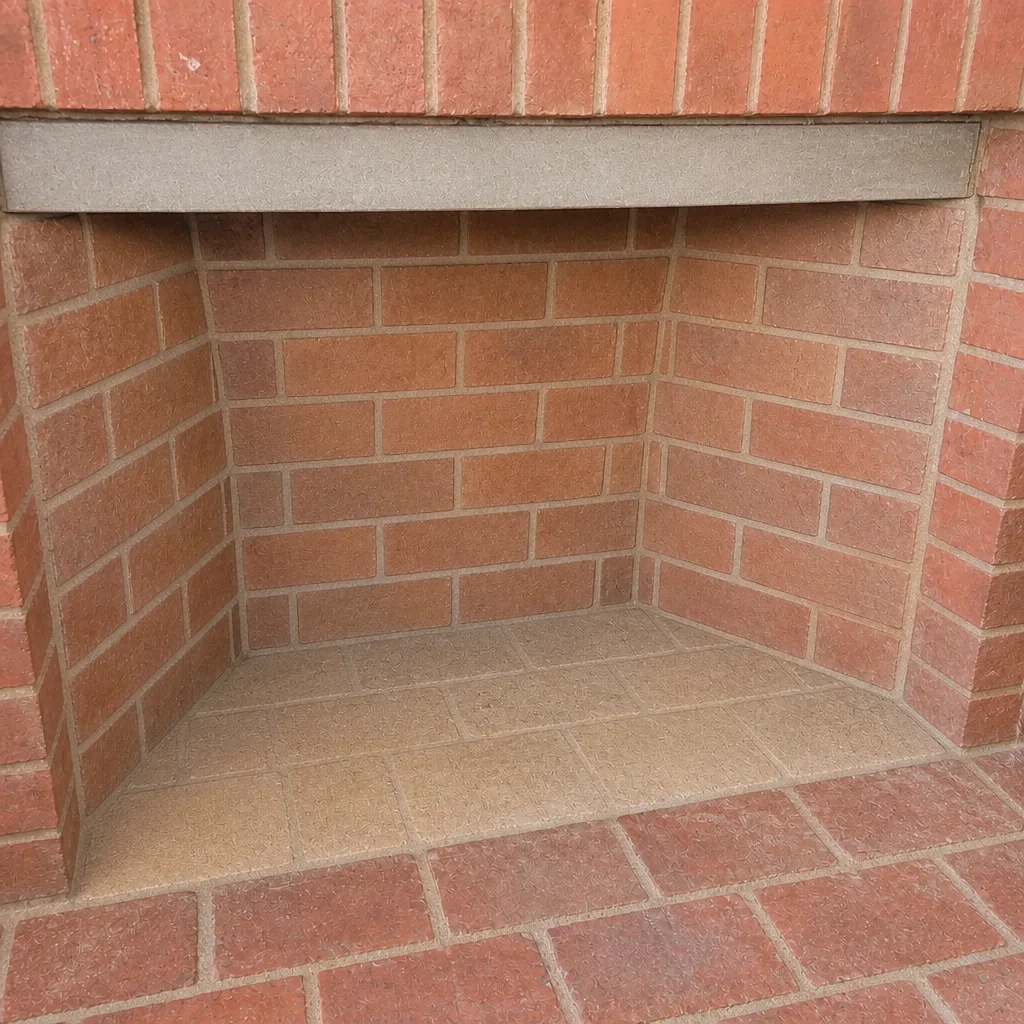
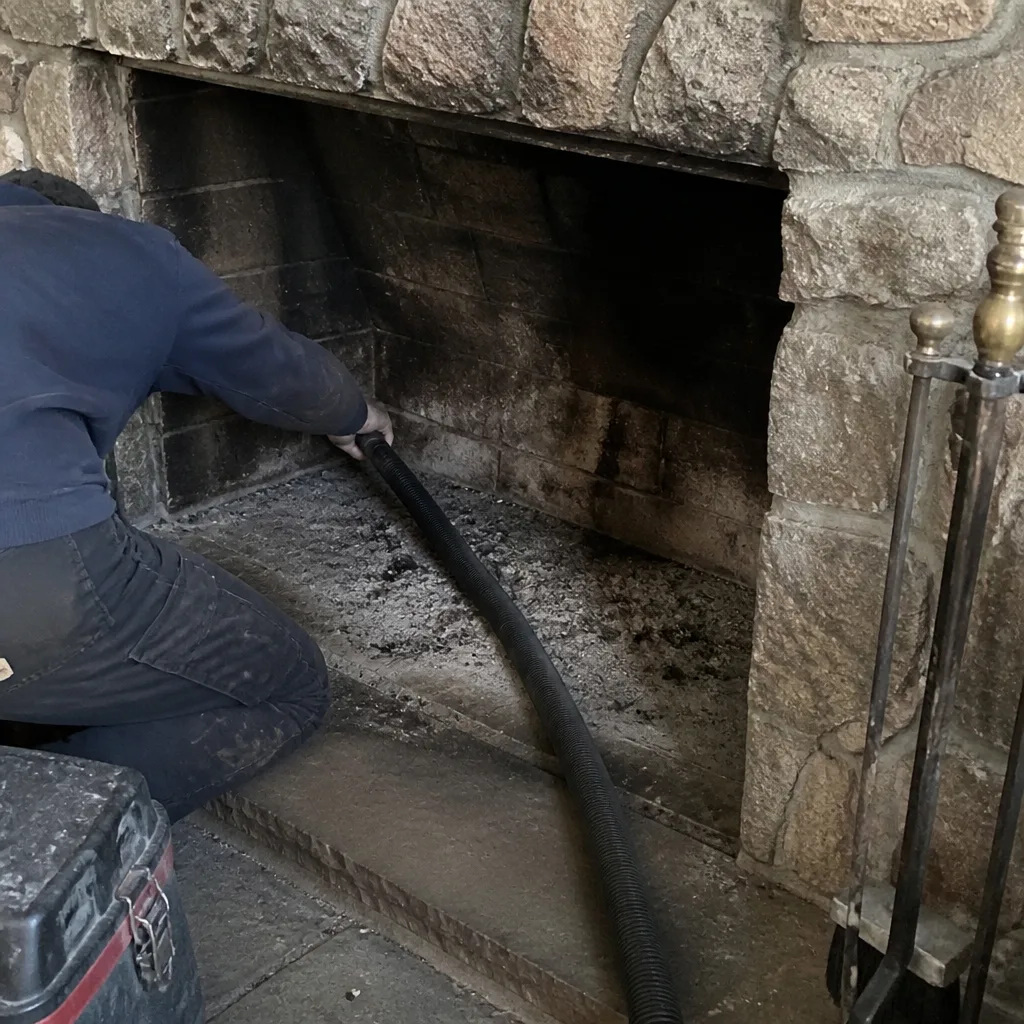
See the difference
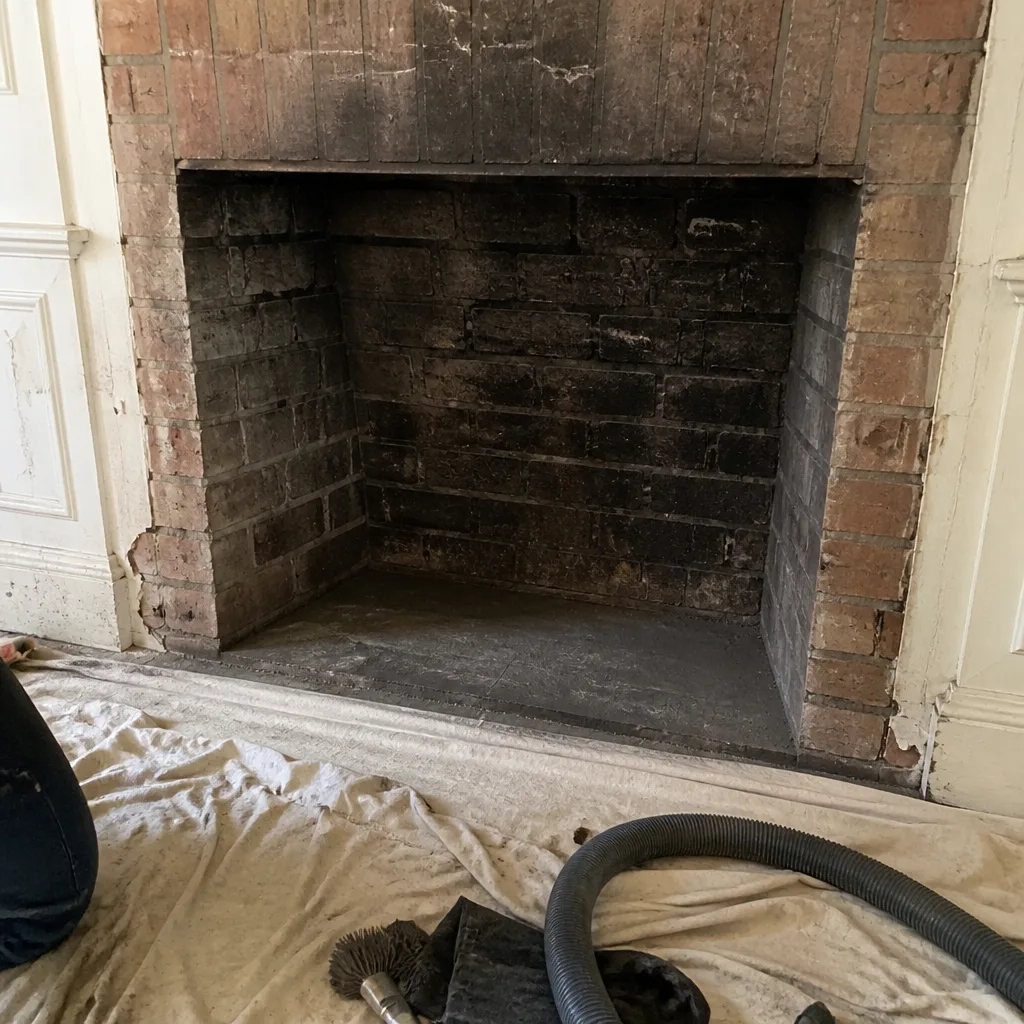 Before
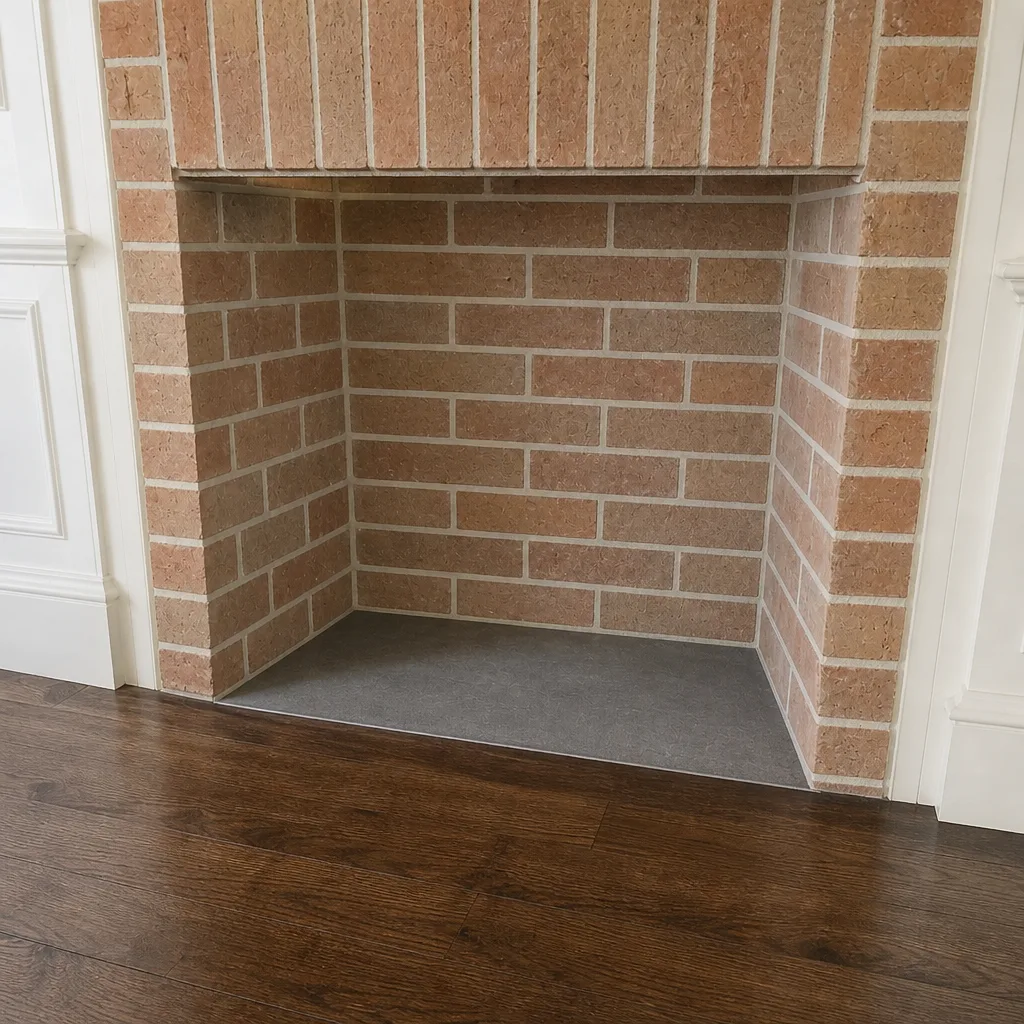 After
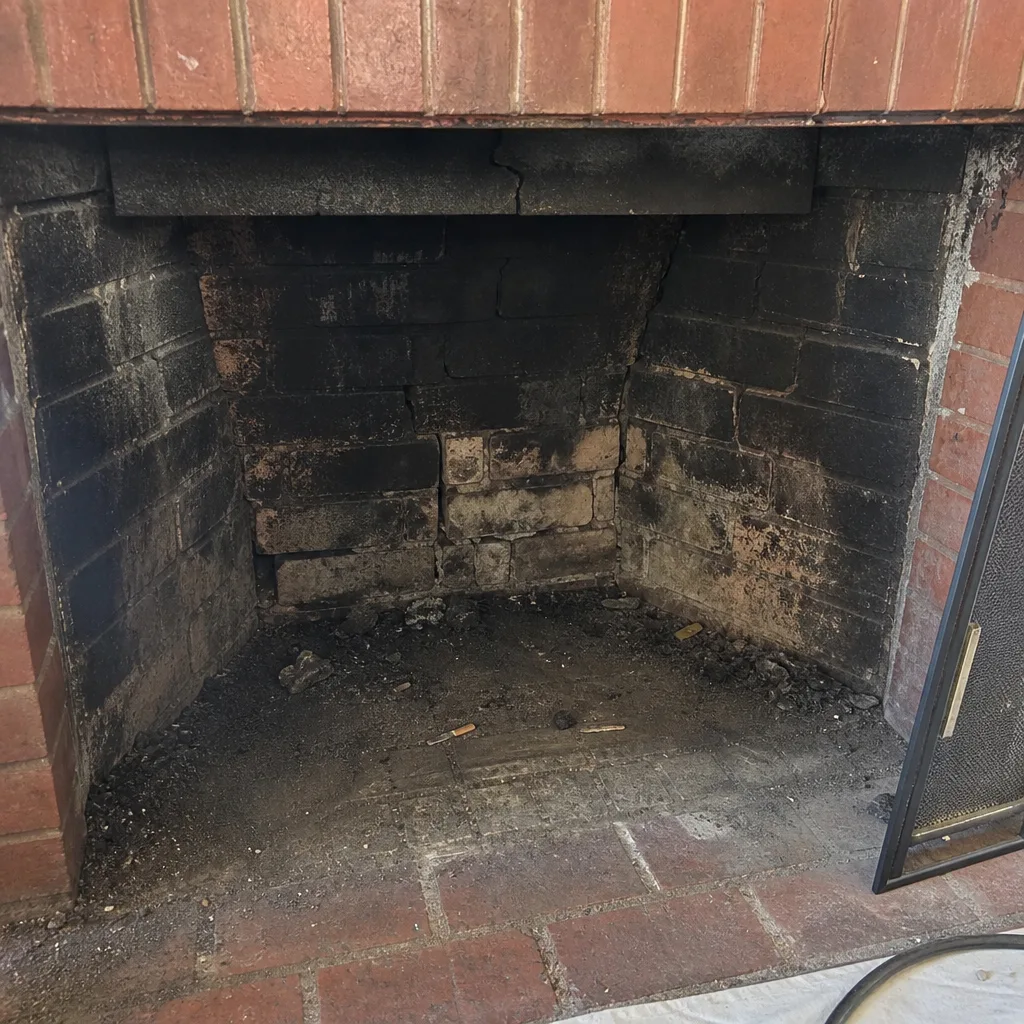 Before
 After
 Before
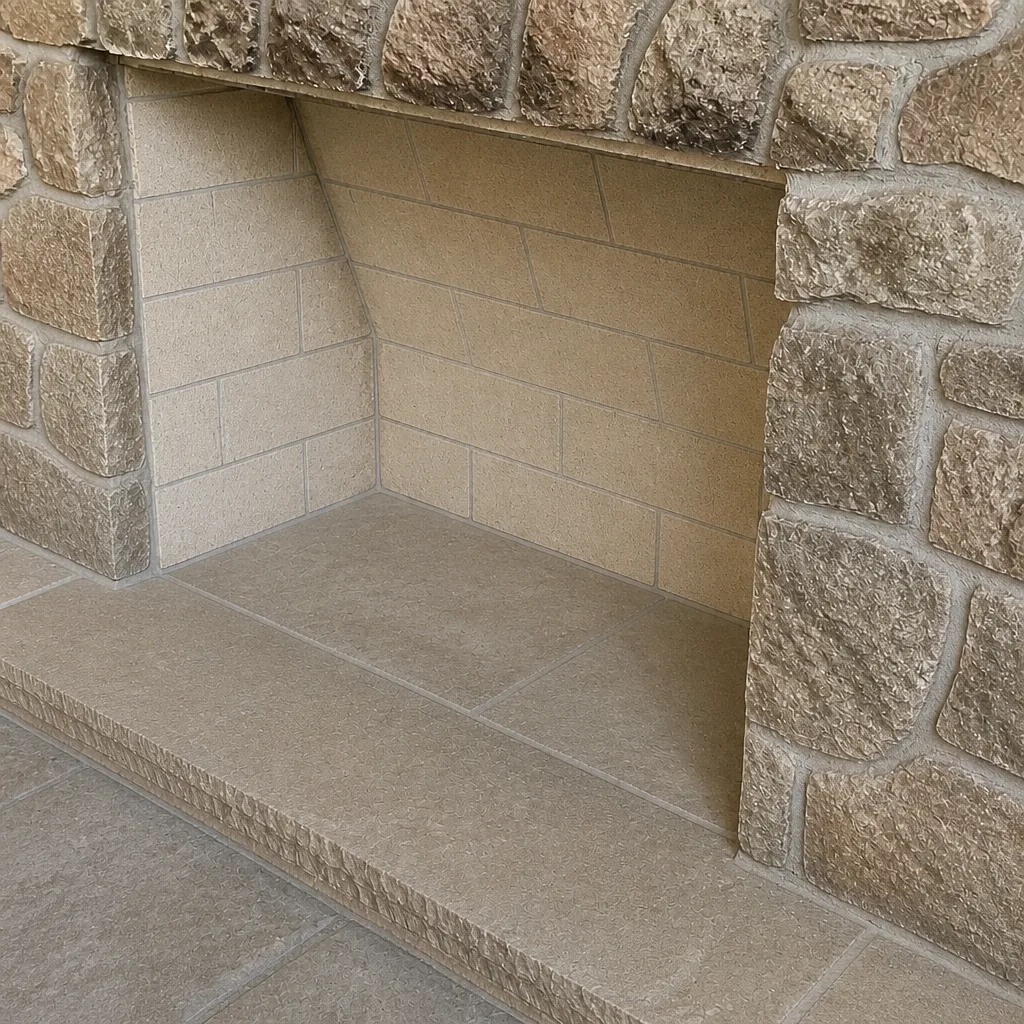 After
When to Call a Professional
Some symptoms are safe to diagnose yourself, and others aren’t. Call a professional if you see shiny black creosote on the flue walls, if a match flame goes out when you hold it inside the damper, if there’s white staining on the firebox brick or exterior masonry, or if you’ve had a chimney fire – even one you think was small. Call us if smoke rolls into the room consistently despite a hot fire and an open window. And call if you can’t remember the last inspection, because an annual inspection catches developing problems long before they become repairs. Our technicians have up to 10 years of experience, and inspections are available as a standalone service if you want an honest assessment before committing to any work. Chimney Sweep Upper West Side offers free estimates in Upper West Side – call (833) 482-6118. We answer 24/7. Fast dispatch from 7am to 7pm, Sunday through Friday.
Frequently Asked Questions
Once a year if you burn regularly, and once a year even if you don’t, because the inspection part of the visit catches problems the fire hasn’t caused yet. If you burn more than a cord of wood a season, or you’re seeing stage 2 creosote, twice a year is reasonable in a building with an exterior chase. Call (833) 482-6118 for an exact quote – estimates are free.
Only if the inspection shows the existing liner is cracked, deteriorating, or improperly sized for the appliance. A cracked clay tile lets heat and combustion gas reach the surrounding masonry, which is the condition a liner is meant to prevent. If the tiles are sound and correctly sized, a sweep and a crown check are usually enough. We don’t recommend a liner without camera evidence you can see, and we’ll tell you plainly when the work can wait. Call (833) 482-6118 for an exact quote – estimates are free.
Because a clean chimney and a well-drafting chimney are two different things. The most likely causes are negative pressure in a tight apartment, an oversized firebox relative to the flue, or a chimney termination that’s too short for the roofline. None of these are solved by sweeping. Test with a window cracked and a bathroom fan running, and note which way the flame goes. Call (833) 482-6118 for an exact quote – estimates are free.
Creosote accumulates and moves from stage 1 into stage 2 and stage 3, which is the fuel load that makes chimney fires possible. Separately, small problems like a cracked crown or a failing cap go unnoticed until water has damaged the masonry for years. Both risks compound quietly. A sweep and inspection catches both before either becomes a repair. Call (833) 482-6118 for an exact quote – estimates are free.
Yes, in most cases. A crown repair or replacement addresses the concrete on top of the stack without touching the masonry below, and it’s a fraction of the work of a rebuild. Where the crown is intact but the flue tile below it has cracked, HeatShield ceramic resurfacing restores the flue from the inside without demolition. The inspection tells you which job you’re actually facing. Call (833) 482-6118 for an exact quote – estimates are free.
Pricing is set per job by a written estimate, so the exact number depends on the flue configuration, the level of creosote, and whether the visit includes a camera inspection. We give you a flat quote before you book, and nothing gets added after the fact. If the sweep turns up a problem, the same technician can scope the repair – sweep, cap and crown, repair, inspection, and fireplace repair are all handled by the same company. Call (833) 482-6118 for an exact quote – estimates are free.
The Bottom Line
Most chimney problems on the Upper West Side aren’t mysteries. A match flame that leans into the room points to pressure or blockage, white staining points to water, shiny black soot points to creosote stage 3, and a summer smell points to a cracked flue or a failed crown. Read the symptoms before you book, and you’ll spend less time and money getting to the right fix. If you’re not sure, an inspection tells you. We work with DuraFlex, HeatShield, Gelco, and Olympia Chimney because the materials matter on old masonry, and we tell you plainly when work can wait. Our technicians have up to 10 years of experience with pre-war and post-war chimney configurations across the neighborhood. Call (833) 482-6118. We answer 24/7. Fast dispatch from 7am to 7pm, Sunday through Friday.
Written by the team at Chimney Sweep Upper West Side.