
Last updated November 25, 2026
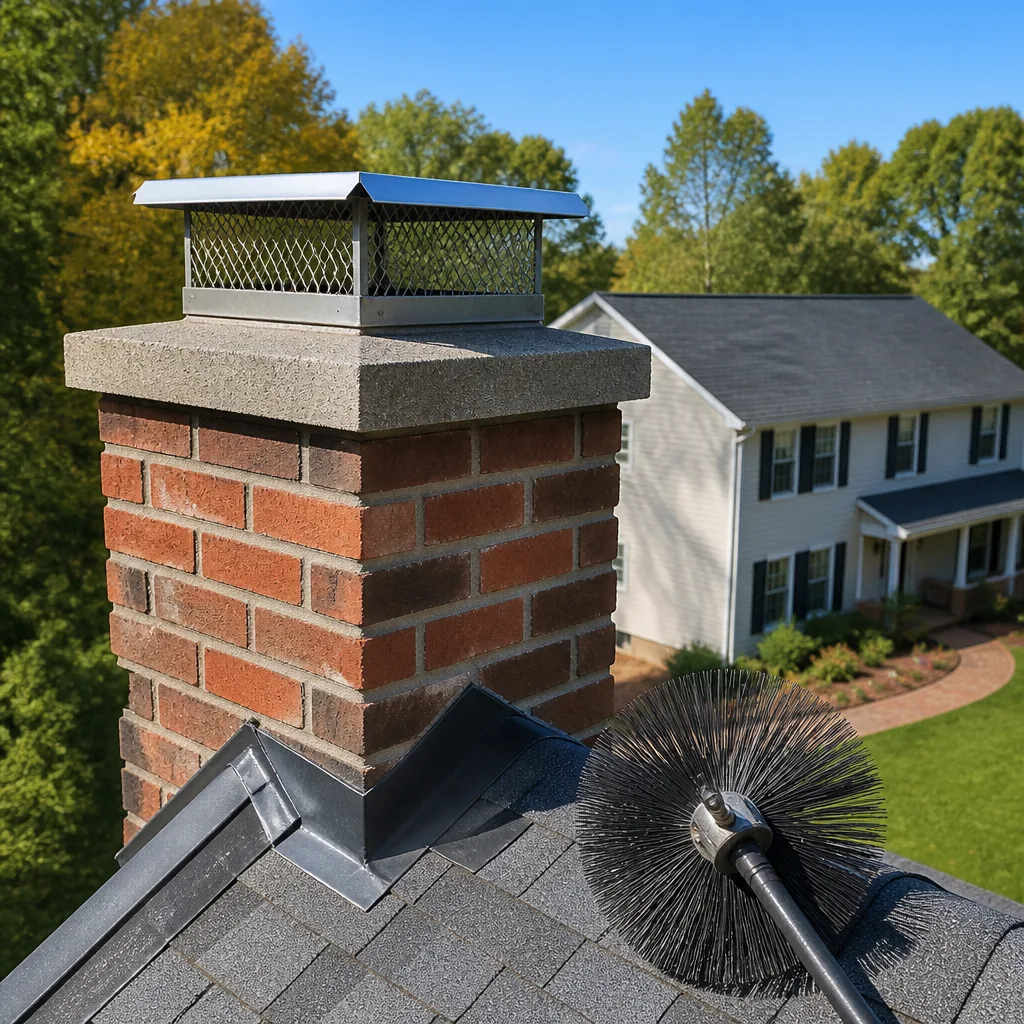 Sweep & inspection
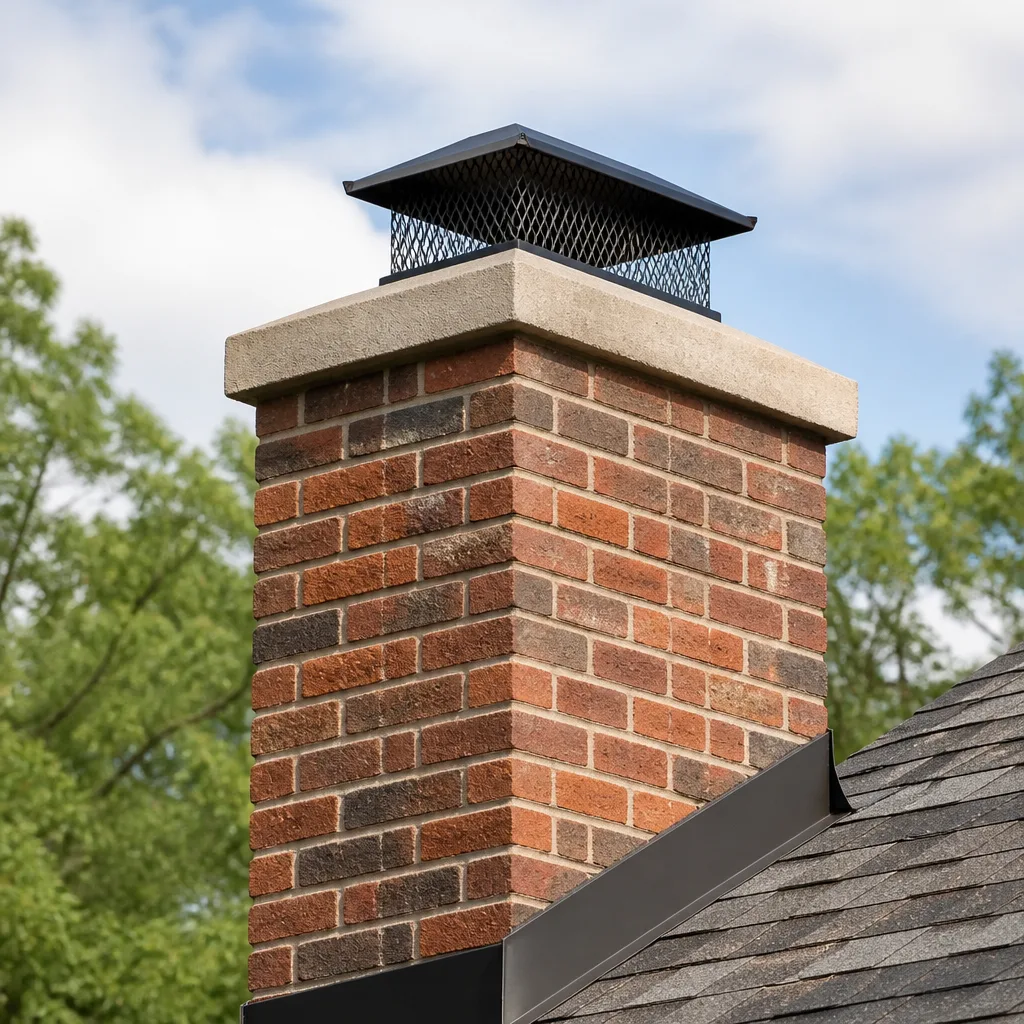 Caps & crowns
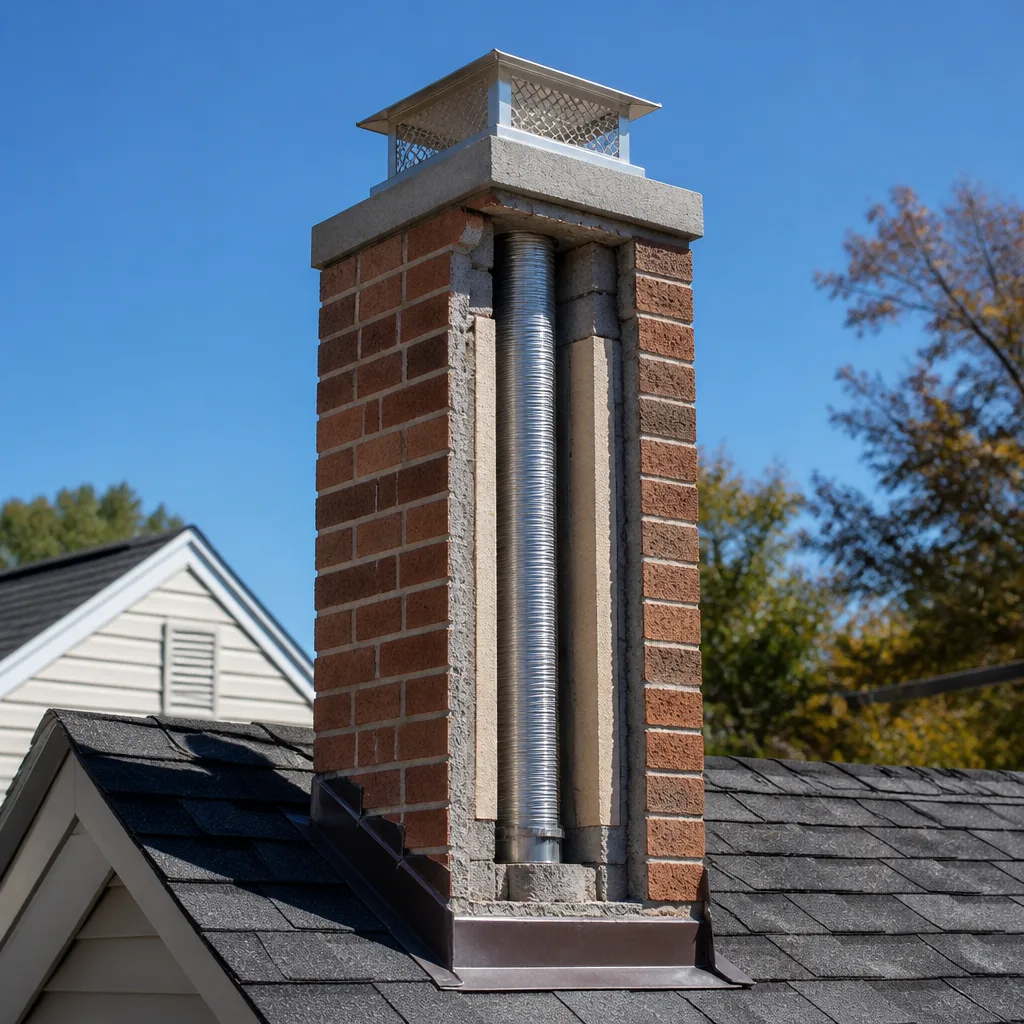 Flue relining
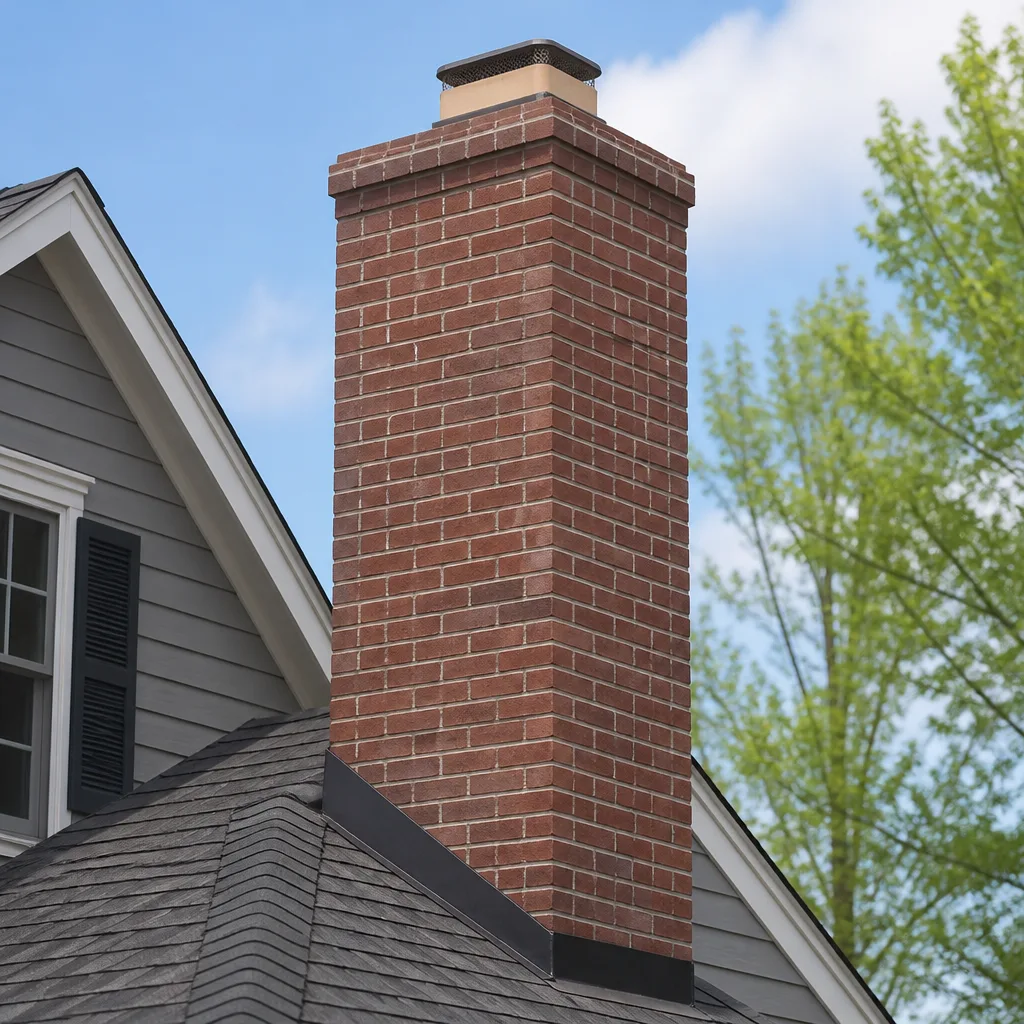 Masonry repair
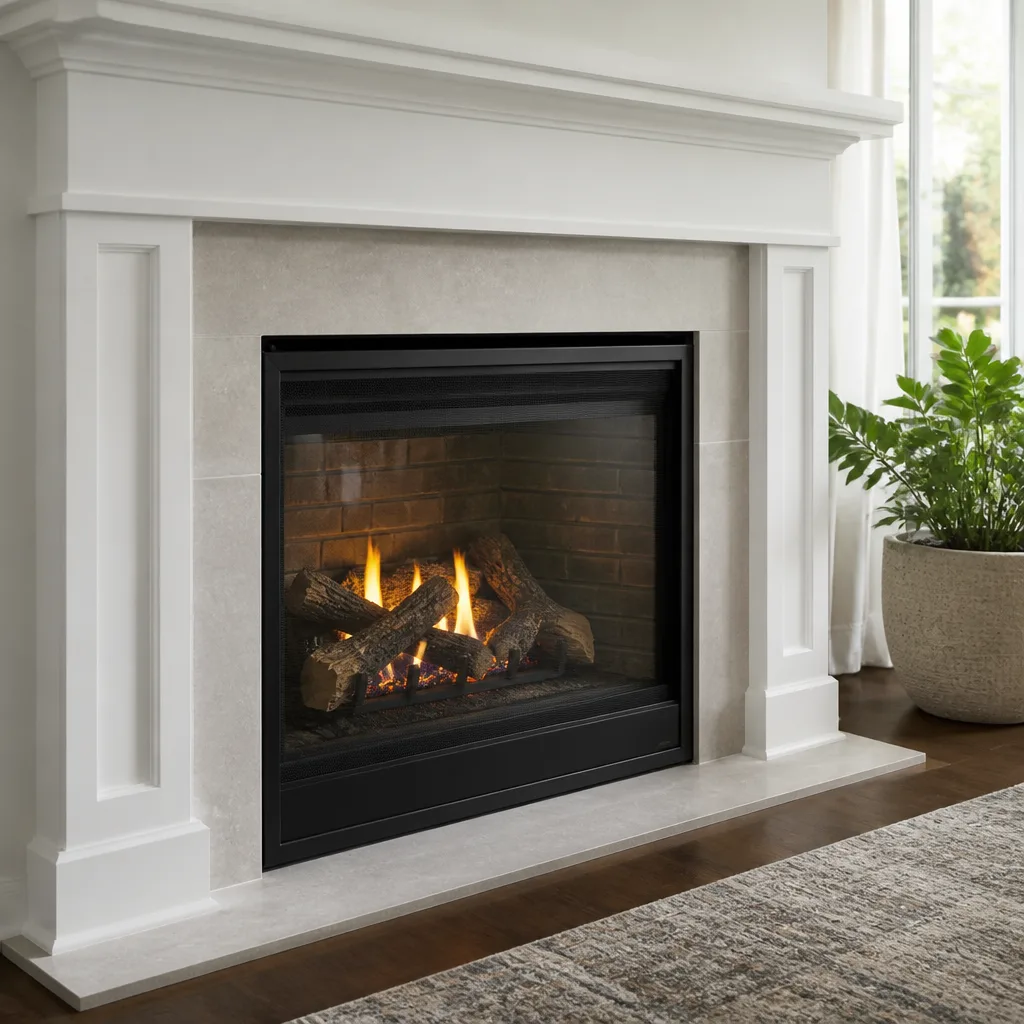 Gas fireplace service
Level 1 sweep and inspection to the NFPA 211 annual standard - flue, crown, cap, and flashing checked and photographed
Chimney sweep logs do not sweep chimneys. They loosen some creosote - which then falls where a brush and vacuum still have to collect it.
Chimney Sweep Maintenance Schedule: What to Do and When
NFPA 211 calls for an annual chimney inspection, and most homeowners stop reading right there. But the same standard adds a second clause that gets far less attention: inspect “upon changes in the system or following an event.” The trouble is that almost nobody knows what counts as an event. A chimney fire you never noticed. Weeks of subway vibration from a nearby dig. A building going up next door. Each one changes what your flue needs, and a single hard winter on the Upper West Side can turn a small, unaddressed problem into liner work by spring. This guide replaces the one-size-fits-all calendar with a schedule built around your fuel type, your usage, and the condition of your chimney’s materials.
Quick Answer
Inspect your chimney once a year, and sweep it when there’s enough creosote buildup to warrant it – for heavy wood burners, roughly every cord of wood. Gas and oil appliance flues still need an annual inspection even though they produce little or no creosote. Add an inspection any time the system changes or an event occurs: a chimney fire, a fuel switch, structural vibration, or a neighboring demolition. If your fireplace is idle, a spring sweep beats a fall one because it clears corrosive residue before the humid summer.
Styles & brands we work with
- Sweep & inspection
- Caps & crowns
- Flue relining
- Masonry repair
- Gas fireplace service
Table of Contents
- Why the Annual Inspection Is the Floor, Not the Ceiling
- The Fuel-Type Matrix: Wood, Gas, and Coal Age Differently
- The Cord-of-Wood Rule: A Better Gauge Than the Calendar
- Post-Event Triggers Most People Miss
- Spring vs. Fall: The Case for an Off-Season Sweep
- What to Check Between Professional Visits
- Common Mistakes to Avoid
- When to Call a Professional
Why the Annual Inspection Is the Floor, Not the Ceiling
The annual inspection is a baseline, not a full maintenance plan. It tells you what condition your chimney is in on a given day. It doesn’t account for how hard you burn, what you burn, or what happens to the chimney during the months between visits. A wood-burning insert pushed hard through a cold winter can need attention long before the next anniversary rolls around. A gas appliance that never changes probably needs exactly the annual check and nothing more. Treating every chimney the same way is how people either overpay for unnecessary work or miss a problem that was quietly forming.
On the Upper West Side, the picture is more varied than in most places. You have brownstones with original masonry chimneys that have served fireplaces for a very long time. You have prewar apartment buildings where a shared flue serves multiple units. You have co-ops where the fireplace works fine but nobody has looked at the crown in a decade. And you have newer gas inserts dropped into old flues that were never designed for them. Each of those setups has a different failure mode and a different ideal schedule.
What the annual inspection actually does is catch change. An inspector looks at the firebox, the damper, the smoke chamber, the flue interior, the crown, and the cap. They compare what they see to what a sound system should look like. When we inspect, we photograph what we find and walk you through it, so you’re not taking anyone’s word for a repair you can’t see. If the chimney is fine, we say so. If something has shifted since last year, you’ll see the evidence for yourself.
The inspection is also the moment to ask whether your current schedule fits your actual usage. Someone burning a couple of fires a month in a brownstone and someone running a wood insert most winter evenings have very different chimneys by February, even if they live two blocks apart. The Upper West Side has plenty of both.
The Fuel-Type Matrix: Wood, Gas, and Coal Age Differently
Fuel type drives what degrades and how fast. A wood fire lays down creosote. A gas appliance can corrode a damper and produce moisture. An older coal conversion pits the flue with sulfur residue. Matching your inspection interval to your fuel is the single biggest upgrade most homeowners can make to a generic schedule.
Wood-Burning Fireplaces and Inserts
Wood is the fuel that demands the most attention. Burning wood produces creosote, a tar-like residue that accumulates on the flue walls. It comes in stages, from light soot to a glazed, hardened layer that’s genuinely difficult to remove. The rate depends on how dry your wood is, how hot you burn, and how restricted your draft is. A slow, smoldering fire with green wood is the fastest route to heavy creosote. Inspect annually; sweep based on buildup, which for regular burners often means once per cord of wood. If you notice reduced draft or a stronger smell, that’s a reason to look sooner.
Gas Inserts and Gas Appliances
Gas produces very little creosote, so people assume it needs no maintenance. The opposite is true. Gas combustion creates moisture, and that moisture combined with the acidic byproducts of combustion attacks metal components, especially the damper and the flue. A bypass damper that sits corroded can fail to seal, which lets conditioned air escape up the chimney all year. Inspect annually. Watch for corrosion on metal parts and any sign of moisture in the firebox.
Oil and Older Coal Conversions
Oil appliance flues and older coal conversions have their own wear patterns. Coal residue can pit the flue lining over time, and oil-fired appliances produce soot and sulfur-bearing deposits that eat at mortar and metal. If your building still has an older conversion or an oil-connected flue, an annual inspection matters even more, because the damage is slower and easier to overlook than a wood chimney filling with creosote.
Whatever the fuel, the professional materials we work with are chosen to match the system. Gelco and Olympia Chimney components, for example, are specified for the appliance they serve rather than picked generically off a shelf. That matters because a liner rated for wood isn’t automatically right for a gas or oil appliance, and the reverse is also true.
The Cord-of-Wood Rule: A Better Gauge Than the Calendar
Here’s the problem with “sweep once a year”: a cord of wood burned in a fireplace is not the same as a cord burned in a high-efficiency insert, and neither matches a household that lights ten fires a season. The cord-of-wood rule solves this. Instead of asking “has it been a year,” you ask “how much have I burned since the last sweep.”
For a heavy wood burner, the practical guidance is to sweep roughly once per cord of wood. If you go through two or three cords in a winter, one annual sweep won’t keep up, and you’ll want to schedule based on volume rather than the calendar. If you burn half a cord, the annual sweep is usually more than enough. A cord is 128 cubic feet of stacked wood, and most fireplace owners have a reasonable sense of how many they go through.
This rule is more reliable than a date because it tracks the actual source of the problem. Creosote accumulates in proportion to how much wood you burn and how you burn it, not how many months have passed. A household that burns hard for four months can build up more than one that burns lightly for eight.
How We Apply It in Upper West Side Buildings
In co-ops and apartment buildings with working fireplaces, the amount of wood a household burns can be small and steady, or concentrated into weekends. When a building has multiple units drawing on shared flues, the total volume across the building matters, not just one apartment’s usage. That’s a case where a spring sweep timed to the building’s overall burning pattern makes more sense than a fixed fall appointment per unit.
Signs You’re Due Before the Rule Says So
- Weaker draft than you remember, or smoke spilling into the room when you light a fire.
- A stronger, sharper smell near the fireplace even when you’re not burning.
- Visible soot or flaky deposits around the damper or firebox opening.
- Burning wood that isn’t fully seasoned, which accelerates creosote.
- A fire that struggles to catch or burns cooler than usual.
When any of these show up, get an inspection rather than waiting for the calendar to catch up. A chimney sweep is the right first step, and it’s cheaper than discovering the buildup during a repair.
Post-Event Triggers Most People Miss
NFPA 211’s “upon changes in the system or following an event” clause is where most schedules break down. People treat the annual inspection as the whole story. But certain events change the condition of a chimney in ways a routine check a few months earlier wouldn’t have caught. Here are the triggers worth knowing, several of which non-chimney professionals rarely connect to the flue.
A Chimney Fire, Even a Small One
Chimney fires don’t always announce themselves with roaring flames. A small one can burn through a creosote layer, sound like a low rumble, and leave damage you can’t see from the firebox. It can crack a clay tile or distort a liner. If you suspect one – a sudden rush of sound, a pop, an unusual heat surge, or the smell of a hot, burning flue – have the chimney inspected before you burn again. This is the most important post-event trigger, and it’s exactly the kind of “event” the standard means.
Structural Vibration and Nearby Construction
Chimneys are masonry structures, and masonry doesn’t love vibration. In dense parts of the Upper West Side, subway construction, pile driving, and adjacent building demolition send vibration through the ground and into nearby structures. Hairline cracks in mortar joints or in the flue lining can open up from that kind of repeated shaking. If there’s been significant construction or demolition on your block, an inspection beyond the annual one is a reasonable call.
System Changes
Any change to the system itself resets the clock. Installing a new insert, switching fuel, adding a gas appliance, or relining the flue all count. So does a significant change in how you use the chimney – say, going from occasional fires to burning most evenings. A new appliance in an older flue is one of the most common reasons we recommend a fresh inspection, because the appliance and the flue need to be a matched pair.
Water Intrusion or Severe Weather
A cracked crown, a missing cap, or a hard freeze-and-thaw cycle can let water into the flue. Water combined with creosote or combustion residue becomes acidic and attacks mortar. After any event that could have damaged the cap or crown, have it checked. This is where chimney cap & crown work and repair belong together: the cap and crown are what keep the weather out, and the repair addresses whatever got in.
Spring vs. Fall: The Case for an Off-Season Sweep
Most people schedule their sweep in the fall, right before burning season. That’s backward. The strongest argument for a spring sweep is what happens to a dirty flue over the humid summer.
Creosote and combustion residue are acidic. When summer humidity arrives, moisture in the air combines with those deposits and the result is a slow chemical attack on the mortar joints and the flue lining. A chimney that sits dirty through a New York summer deteriorates faster than one swept clean in spring. By the time fall comes, the damage is already done and you’re sweeping a flue that spent months corroding.
A spring sweep clears the residue before the humid months. It also means you go into fall with a chimney you know is clean and inspected, rather than discovering a problem in October when everyone else is booking their pre-season appointments. If anything needs repair, spring gives you the whole summer to get it done before you want to burn again.
When Fall Still Makes Sense
Fall timing isn’t wrong for everyone. If you burn year-round, or you only use the fireplace occasionally and want a pre-season check, a fall visit works. The point isn’t that spring is mandatory; it’s that spring solves a problem fall doesn’t. For the heavy wood burners and the buildings with shared flues, the spring sweep is the one that protects the structure during the offseason.
What a Good Sweep Includes
- Inspection of the firebox, damper, smoke chamber, and flue before cleaning.
- Protection of the surrounding area so soot and dust stay contained.
- Removal of creosote and soot from the flue, sized to the flue’s geometry.
- Cleaning of the smoke shelf and firebox.
- A check of the cap and crown for damage or blockage.
- A photo report and a plain explanation of anything found.
The order matters. Inspecting first tells us what we’re dealing with – a light soot layer versus glazed creosote calls for different treatment. That’s why a proper sweep and a proper inspection belong in the same visit, not separated by months.
What to Check Between Professional Visits
A maintenance schedule is a partnership. The professional handles the flue, the crown, and the structural work. You handle the small checks that catch developing problems before they become repair calls. This isn’t about doing the sweep yourself – that’s genuinely dangerous work that belongs to a trained professional – it’s about noticing the signs that tell you a call is due earlier than planned.
A Simple Pre-Use Checklist
Before you light the first fire of the season, and periodically through it, run through this:
- Damper position. Open and close it fully and confirm it moves freely without sticking or jamming. On a gas appliance, check for corrosion on a bypass damper.
- Firebox debris. Clear out ash buildup, and look for cracks in the firebox brick or lining that weren’t there before.
- Cap condition from street level. If you can see your chimney top from the street or a window, check that the cap is intact, seated, and not obviously blocked by an animal nest or storm debris.
- Creosote signs. Look for flaky or shiny deposits inside the firebox and around the damper.
- The smell test. A strong, smoky or chemical smell when the fireplace is idle can signal buildup or a draft problem.
- The draft test. Light a small fire or hold a smoke source near the open damper and watch the draw. Weak draft means it’s time to inspect.
What to Leave to the Professional
The flue interior, the smoke chamber, and the crown all need a trained eye and proper equipment to assess properly. Climbing on a roof or reaching into a flue to inspect the liner yourself is a height and respiratory hazard, and it won’t give you the full picture anyway. What you gain by checking the visible parts is knowing when to call, not how to fix.
When we inspect, we use a camera to look at the flue interior and produce a photo report. If something looks questionable, we show you the image and explain what it means. Nothing gets recommended without evidence you can see for yourself – and if the right answer is “this can wait,” we’ll tell you that too.
Common Mistakes to Avoid
- Treating the annual inspection as the whole schedule. The annual check is the baseline; usage, fuel type, and events all shift what your chimney actually needs. Skipping the post-event inspection is how a small issue grows between visits.
- Assuming a gas insert needs no maintenance. Gas omits the creosote but delivers moisture and acid attack on metal parts. An annual inspection still applies, especially to dampers.
- Sweeping in fall and letting a dirty flue sit all summer. Acidic residue plus summer humidity corrodes mortar joints. A spring sweep protects the structure through the offseason.
- Ignoring a suspected small chimney fire. A rumbling sound, a pop, or a sudden heat surge is a reason to inspect before burning again, not a quirk to shrug off.
- Overlooking vibration and nearby demolition. In a dense part of the Upper West Side, subway work and adjacent building projects can crack mortar and open hairline gaps. Vibration is a genuine post-event trigger.
- Burning wet or unseasoned wood. Green wood smolders and lays down creosote fast. Dry, seasoned wood burns hot and cleaner, and cuts the buildup rate significantly.
- Calling a general handyman to sweep. A sweep with the right brushes, camera inspection, and repair capability is a different trade than general maintenance. Someone who only cleans can’t diagnose a liner problem when they find one.
When to Call a Professional
Call a professional when a check turns up something you can’t explain, when you suspect a chimney fire, or when any of the post-event triggers apply. Call when you’re switching fuel or adding an appliance, when there’s been construction or demolition nearby, and when your firebox or crown shows damage. And call for the routine annual inspection itself – the whole point of the schedule is that a trained eye looks at the parts you can’t safely see.
If a repair turns out to be necessary, it’s better for the same specialist who found the problem to handle the fix. That’s why we carry the full scope – sweeping, inspection, caps and crowns, repair, and fireplace repair – with materials from recognized chimney industry brands like HeatShield, DuraFlex, and Famco, chosen for what the system actually needs. A chimney repair should follow from evidence, not from a guess.
Chimney Sweep Upper West Side offers free estimates in Upper West Side – call (833) 482-6118. We answer 24/7. Fast dispatch from 7am to 7pm, Sunday through Friday.
See the difference
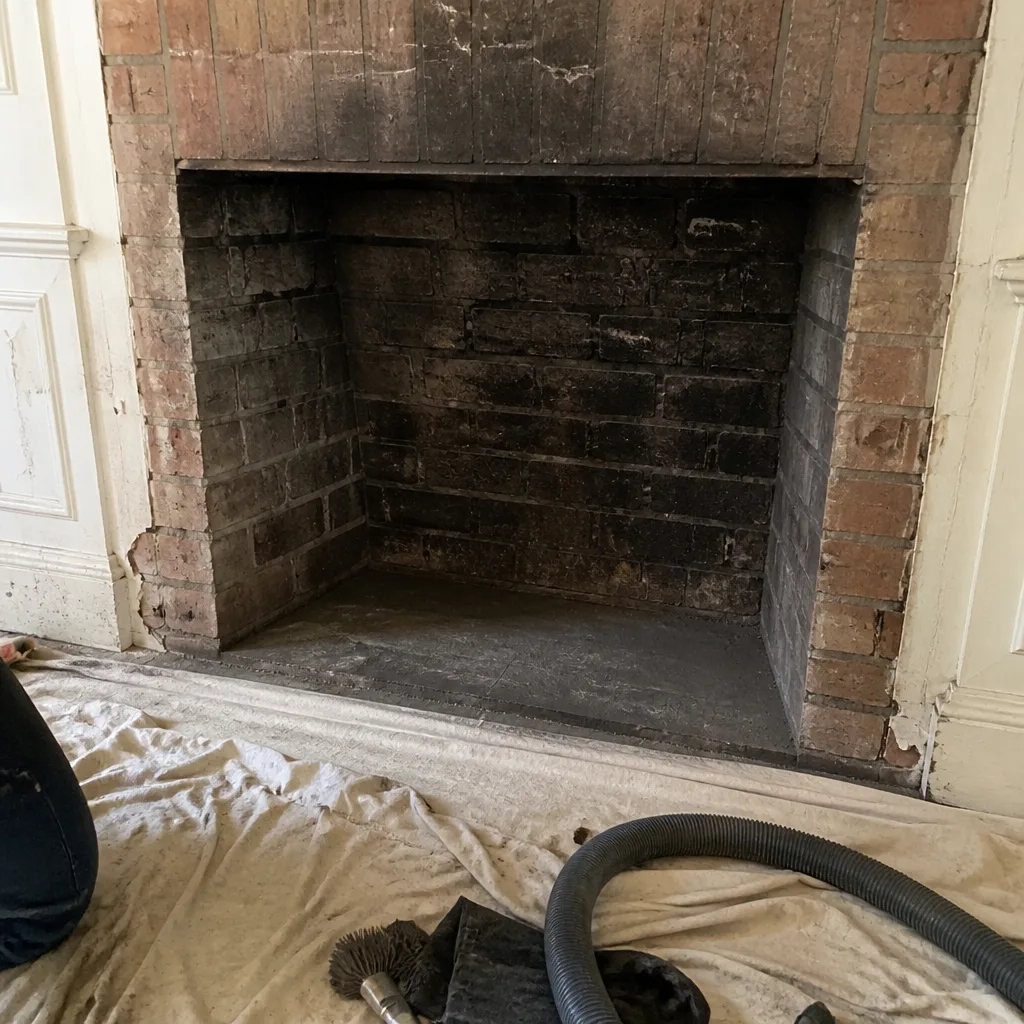 Before
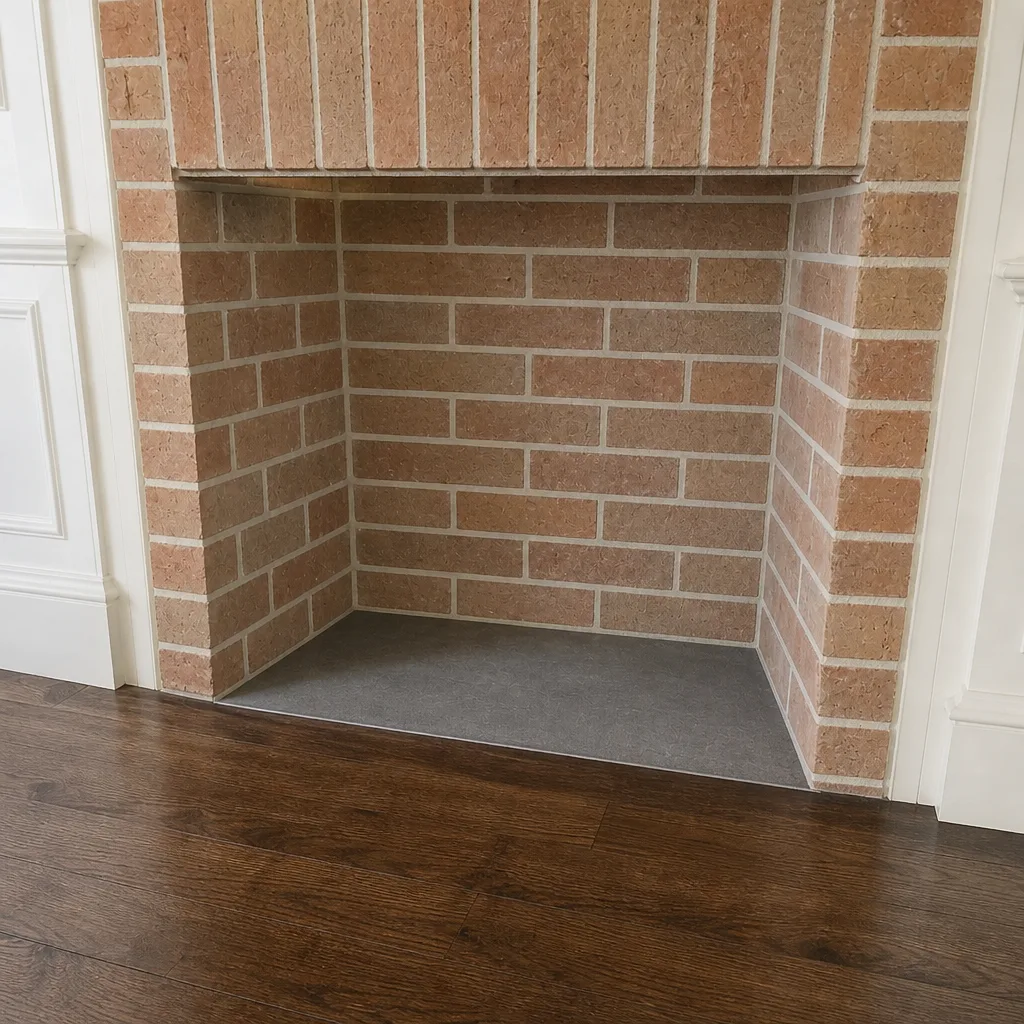 After
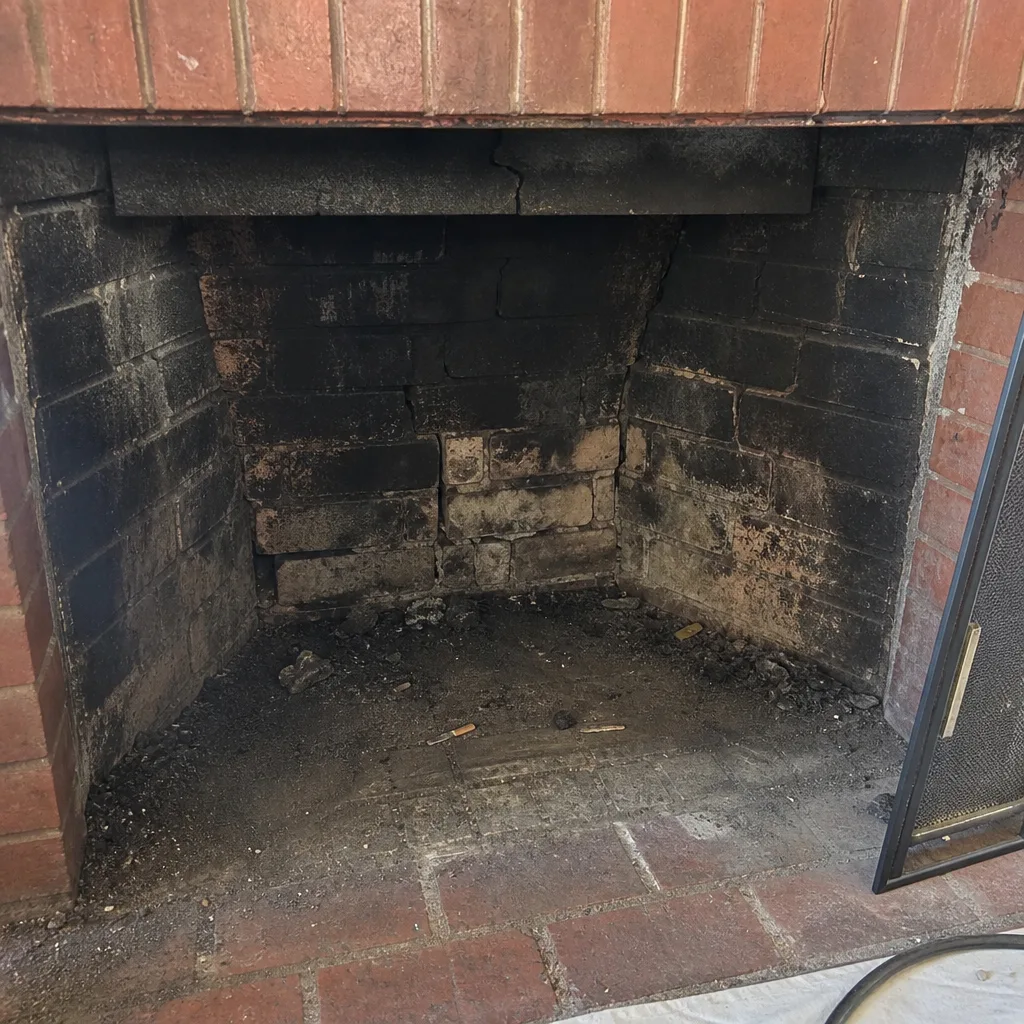 Before
 After
 Before
 After
Frequently Asked Questions
Sweep based on buildup, not the calendar. For most regular wood burners, that works out to roughly once per cord of wood, and at least annually. Gas and oil appliance flues need an annual inspection even though they produce little creosote. Call (833) 482-6118 for an exact quote – estimates are free.
Yes. The annual inspection checks the crown, cap, damper, and flue for deterioration that happens whether or not you burn. Light usage means you may not need a sweep, but the inspection still catches water damage, cap failure, and corrosion. Call (833) 482-6118 to book one.
A chimney fire (even a small one you might not have noticed), a fuel switch or new appliance, structural vibration from construction or demolition nearby, and water intrusion or severe weather all qualify. So does a significant change in how often you burn. Call (833) 482-6118 and we’ll help you decide whether your situation calls for one.
For heavy wood burners and buildings with shared flues, yes. Clearing acidic creosote before the humid summer protects mortar joints from months of corrosion. A fall sweep doesn’t solve that problem. Call (833) 482-6118 to schedule a spring sweep.
You can and should check the visible parts – damper operation, firebox debris, and the cap from street level. The flue interior, smoke chamber, and crown need a trained professional with a camera and the right equipment. Working on a roof or inside a flue is a real hazard. Call (833) 482-6118 for a proper inspection.
Small problems – a cracked crown, a corroded damper, a creeping creosote layer, a hairline flue crack – go unnoticed and get worse. What would have been a straightforward fix can become structural repair. The inspection is how you catch it early. Call (833) 482-6118 – estimates are free.
The Bottom Line
The one-size-fits-all annual sweep is a starting point, not a full schedule. Your real maintenance plan depends on fuel type, how much you burn, and what events your chimney has been through. Wood chimneys follow the cord-of-wood rule and need the most attention. Gas and oil systems need the annual inspection even without visible buildup. Every chimney benefits from a spring sweep that clears corrosive residue before summer humidity does its work, and every chimney needs a fresh inspection after a fire, a fuel change, structural vibration, or nearby demolition. Catch problems with the between-visit checks, and let a professional handle the flue. A schedule built on evidence keeps your chimney safe to burn.
Ready to set your schedule? Call Chimney Sweep Upper West Side at (833) 482-6118 for a free estimate. We answer 24/7. Fast dispatch from 7am to 7pm, Sunday through Friday. Start with a Chimney Sweep Upper West Side inspection and build the rest of your plan from what we find.
Written by the team at Chimney Sweep Upper West Side.